COP31 Climate Talks Face Confusion Over Fossil Fuel Draft
The European Union, Marshall Islands and Panama objected to a proposed COP31 agreement that omits fossil fuels. The talks in Antalya, Turkey, ran more than 44 hours overtime as delegates disputed the draft and its approach to emissions and climate finance.
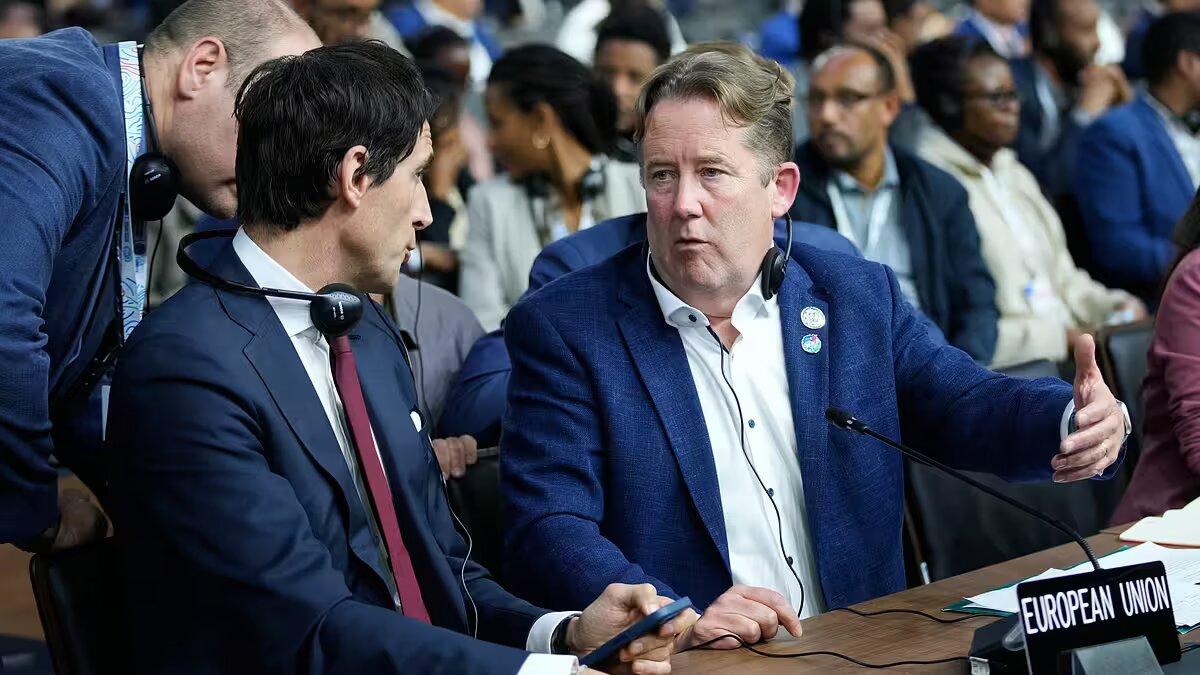
At COP31 climate talks in Antalya, Turkey, the European Union and other nations objected to a final draft that omitted fossil fuels. The dispute left the proposed agreement in doubt after negotiations ran more than 44 hours overtime.
The stakes are global. Coal, oil and gas are the chief cause of global warming, yet the draft did not call specifically for countries to move away from them.
The Marshall Islands and Panama also objected. Russia supported leaving an explicit reference to fossil fuels out of the agreement.
Irish Climate Minister Darragh O'Brien spoke for the EU at the talks. “It's unconscionable that we would have a climate act that makes no reference to fossil fuels,” he said.
Draft faces objections at meeting
Turkish Environment Minister Murat Kurum, co-president of the two-week conference, released the draft before a final meeting was called. Its approval requires near-unanimous consensus.
Kurum had given negotiators about three hours to object or request changes before the draft went to the meeting. Countries could accept, reject or express reservations about it there.
Antwi-Boasiako Amoah, chair of the African Group of Negotiators, accused Kurum of disrespecting a group of 54 African countries and Ghana, his own country.
Confusion followed at the meeting. A live microphone caught Kurum telling UN climate chief Simon Stiell “to sit down” as Stiell tried to advise him on proceedings.
Organizers worried that departing negotiators could leave too few delegates in the room to pass the draft. The talks had already set a record for running overtime.
Carbon capture and electricity goals
The 10-page draft references an agreement reached in Dubai in 2023 to transition away from fossil fuels. The words and phrases fossil, oil, coal and phase out do not appear in the proposed text.
The draft sets a goal of capturing, reusing and storing 1 billion metric tons of carbon. The proposal is intended to help industrial polluters capture emissions and bury them when they cannot easily switch to renewables.
The oil industry backs carbon capture and storage. Climate experts have warned that it could provide an excuse to continue investing in fossil fuels.
Turkey's electrification goal also appears in the draft. It calls for electricity's share of total final energy consumption to rise from about 21% to 35% by 2035.
Climate activists want the agreement to require electricity from renewable sources such as wind and solar. They argue that fossil-fueled electricity would defeat the goal of lowering emissions.
Climate finance remains unresolved
Climate-vulnerable nations want more detail on past pledges to increase aid for poorer countries adapting to a warmer world. Previous climate summits mentioned tripling that funding without establishing an explicit financial baseline.
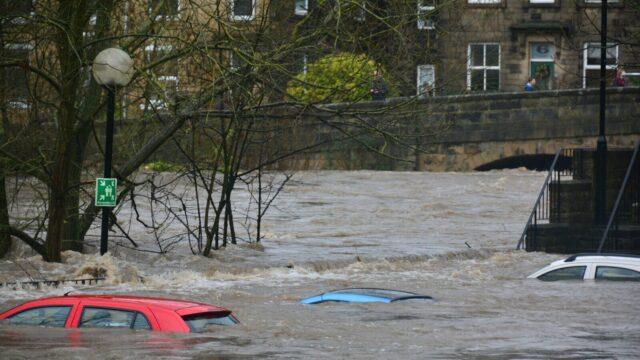
Harjeet Singh, founding director of the Satat Sampada Climate Foundation, criticized the position of wealthy nations. “Floods and heat waves won't wait,” he said. “Rich countries are offering a conversation instead of cash.”
 Take the quizWhat Kind of Holiday Spender Are You? Take the Black Friday QuizStart →


 Markets · FintechHow to Calculate Compound Interest: Formula, Examples and the Rule of 72
 Lifestyle · Food & HealthNormal Blood Pressure Chart by Age: Healthy Ranges Explained
 Lifestyle · Food & HealthWhat Is Raynaud’s Syndrome? Why Fingers Turn White in the Cold
 Lifestyle · Food & Health4 Ways Walking After Meals Helps Your Body, Doctors Say