Andy Burnham Faces UK Winter Squeeze as Energy Bills Rise
UK households face higher winter energy bills as inflation reaches 3.6% and regional income gaps persist. Ofgem is expected to confirm a 26% increase in the energy price cap, while research suggests poorer towns have faced a heavier inflation burden than wealthier areas.
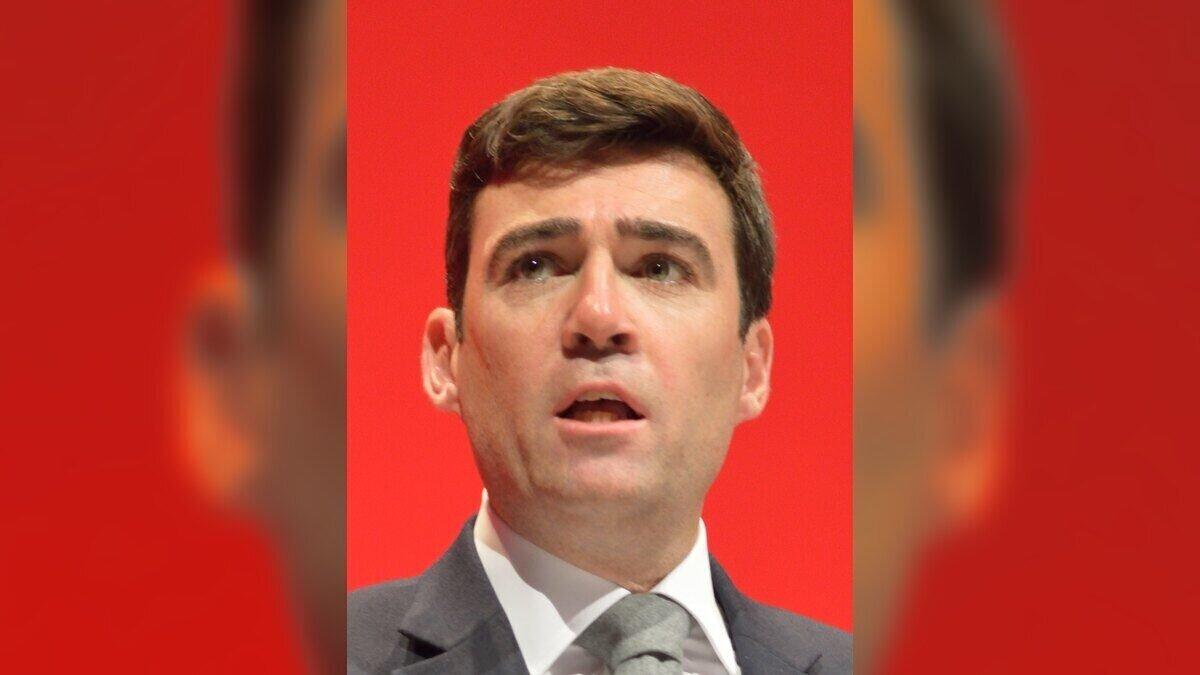
UK Prime Minister Andy Burnham faces a double winter challenge as inflation rises and regional income gaps persist. Energy regulator Ofgem is expected to confirm a 26% increase in the energy price cap from January, taking the annual bill for a typical household to £2,166.
Higher petrol prices and record diesel prices helped push UK inflation to 3.6% in October, its highest level in a year. Inflation measures how quickly prices are rising across the economy.
The Bank of England says inflation could reach 5% next year. The government has set a 2% target, which inflation first exceeded half a decade ago. A return to that target is not expected until 2028 at the earliest.
Poorer towns face higher inflation
Centre for Cities analysis found that households in Burnley, Blackburn and Blackpool faced inflation nearly three percentage points higher than those in London, Reading and Cambridge after Russia's 2022 invasion of Ukraine. Small towns in northern England, the Midlands and Wales were among the most exposed.
Food and energy account for a larger share of spending among low-income families than among wealthier households. Price increases for those essentials therefore place a heavier burden on poorer communities.
Resolution Foundation research found that areas with the lowest living standards in the late 1990s remained at the bottom a generation later. Disposable incomes in Kensington and Chelsea were £60,584, compared with £13,398 in Leicester.
Budget relief reaches households
At the autumn budget, John Healey announced a freeze in fuel duty and a £100 energy rebate for households in council tax bands A to D. Council tax bands group properties by their assessed value for local taxation.
The poorest households will also benefit from a £150 warm homes discount and a universal VAT cut on electricity bills. VAT is a tax charged on goods and services.
A separate measure to remove fixed standing charges from gas bills will not take effect until the end of 2027. Charities warn that the government's measures are poorly targeted and will not meet the scale of the problem.
Bank weighs inflation risks
Bank of England Governor Andrew Bailey suggested that falling global energy prices could bring inflation below the bank's forecasts for next year. Brent crude has dropped to about $90 a barrel from a peak of close to $120 at the end of October.
Food price inflation slowed to 0.9% in October, its lowest increase since September 2021. Higher energy costs and the effect of El Niño on harvests could push grocery prices up next year.
Financial markets predict three quarter-point interest rate increases next year, with the first potentially coming as early as next month.
 Take the quizWhat Kind of Holiday Spender Are You? Take the Black Friday QuizStart →



 Markets · FintechHow to Calculate Compound Interest: Formula, Examples and the Rule of 72
 Lifestyle · Food & HealthNormal Blood Pressure Chart by Age: Healthy Ranges Explained
 Lifestyle · Food & HealthWhat Is Raynaud’s Syndrome? Why Fingers Turn White in the Cold
 Lifestyle · Food & Health4 Ways Walking After Meals Helps Your Body, Doctors Say