India Set to Add 200 Million Home Air Conditioners
India is set to install 200 million more air conditioners in homes over the next decade, the International Energy Agency says. Rising cooling demand will add to pressure on electricity supplies as the agency expects India’s power use to grow faster than that of any other major region.
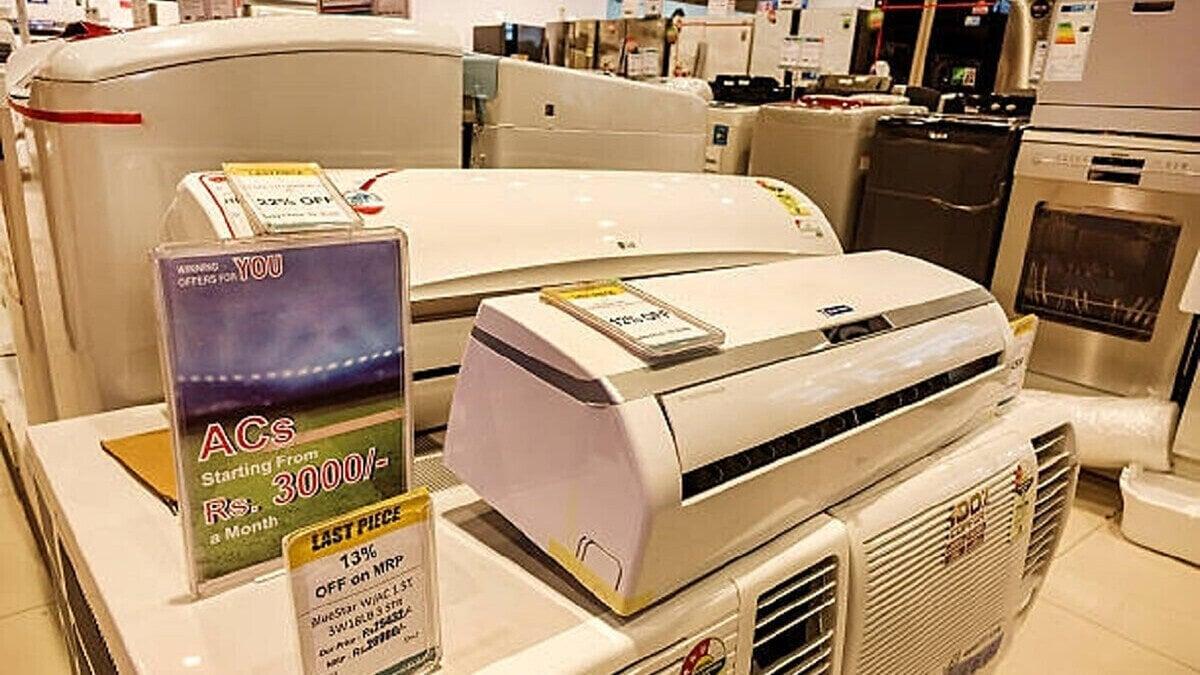
India is set to add 200 million air conditioners in homes over the next decade, the International Energy Agency said. The increase will make India the biggest driver of global energy demand growth, according to the agency’s World Energy Outlook 2026.
Electricity demand is rising fast. The agency expects it to grow 6% a year over the next decade under its Stated Policies Scenario, a projection based on stated policies. That is the fastest rate of any major region.
India’s total energy demand is expected to rise 2.5% annually, triple the global rate, the agency said. Cooling is one part of a broader increase that also includes transport and construction.
Cooling demand strains power systems
India and Southeast Asia together will account for 20% of the world’s air conditioners by 2035, up from less than 10% today, the agency said. Fewer than one in five households in India and Indonesia own an air conditioner, despite high cooling needs.
By comparison, around 90% of households in Australia, Japan and the United States own at least one. The agency said demand for cooling in buildings is overtaking demand for heating “for the first time in energy history.”
Worldwide demand for cooling indoor spaces is likely to rise by 1,700 terawatt-hours by 2035 under the stated-policies projection. The agency said that increase is roughly equivalent to India’s total electricity demand today.
Hotter, longer heatwaves could push demand higher. In a separate heatwave case, the agency modeled increased ownership and use of air conditioners, raising cooling demand growth by 700 terawatt-hours, or 40%.
Under a separate current-policies projection, global peak cooling demand is expected to grow by 720 gigawatts by 2035. That is more than India’s entire electricity generation capacity today, the agency said.
India’s electricity mix shifts
India generated around 2,114 terawatt-hours of electricity in 2025, the agency said. It expects generation to reach 3,585 terawatt-hours by 2035, with 51% coming from non-fossil sources.
Coal remains “a mainstay,” and India’s carbon dioxide emissions do not peak until around 2040, the agency said. India is the world’s second-biggest coal consumer.
Weather has already affected the country’s power mix. In 2025, an early and strong monsoon depressed electricity demand and boosted hydropower output, helping keep coal demand in check.
The agency also expects India to add over 12,000 cars a day to its roads and see a 33% rise in built space. Energy investment may rise 85% by 2035 from 2025 levels, making India the fastest-growing major destination for such spending.
 Take the quizWhat Kind of Holiday Spender Are You? Take the Black Friday QuizStart →





 Markets · FintechHow to Calculate Compound Interest: Formula, Examples and the Rule of 72
 Lifestyle · Food & HealthNormal Blood Pressure Chart by Age: Healthy Ranges Explained
 Lifestyle · Food & HealthWhat Is Raynaud’s Syndrome? Why Fingers Turn White in the Cold
 Lifestyle · Food & Health4 Ways Walking After Meals Helps Your Body, Doctors Say