Australia Urged to Cut Reliance on Imported Fuel
The Grattan Institute has called for Australia to reduce its reliance on imported fuel, proposing a cap on diesel tax credits and support for electric trucks. The mining industry opposes the cap, warning it would raise costs for regional businesses and households.
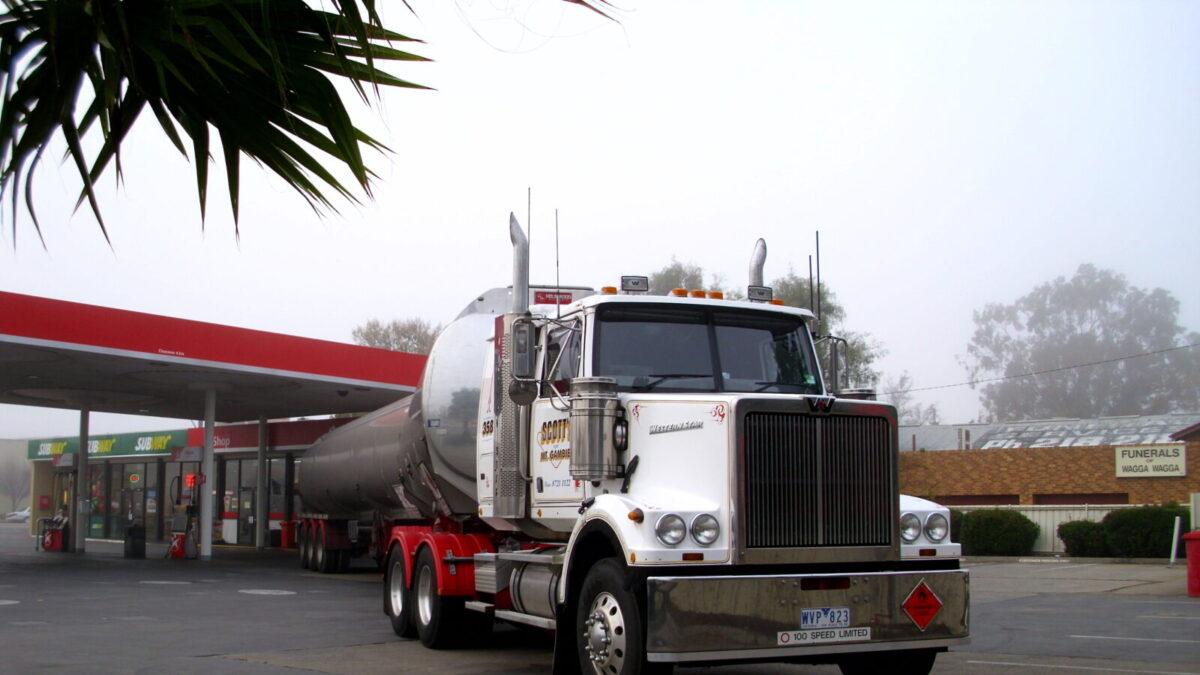
Australia should reduce its reliance on imported fuel as global supply shocks threaten prices and supplies, the Grattan Institute says. The think tank wants the government to cap diesel tax credits, support electric trucks and invest in domestic production of cleaner jet fuel.
Australia imports 97% of its liquid fuel and has two domestic oil refineries. Grattan warned that the country should prepare for further oil shocks in the coming decades.
The institute said the US-Israel war in Iran has driven up inflation and cost Australians nearly $18bn. It estimated the direct cost to the federal government at least $3bn.
“Australia should expect the coming decades to be less stable than the past one. This means bracing, and preparing, for more oil shocks,” its report, Fuelling the Future, said.
Diesel Tax Credit Cap Proposed
Grattan recommends capping fuel tax credits at $35m per corporate group annually. The program refunds taxes on fuel used by machinery and heavy vehicles traveling on private rather than public roads.
The mining sector is the program’s largest user. Grattan estimated the cap would save the government $3bn annually and speed up the sector’s shift to electric equipment.
Minerals Council of Australia CEO Tania Constable rejected the proposal. She said making diesel more expensive would raise costs for miners, farmers, freight operators and regional businesses, with households ultimately paying more.
“If the goal is greater energy security, then Australia should be focused on increasing domestic production, expanding refining capacity and building more resilient supply chains – not making essential fuel more expensive,” Constable said.
Electric Trucks and Cleaner Jet Fuel
Grattan proposed a target of 650,000 electric trucks nationwide by 2050. It forecast that those vehicles would cut diesel use by 5bn litres a year.
The report also called for $1.1bn for a national electric vehicle charging network and $2.4bn in vouchers to help trucking companies buy electric trucks.
For passenger vehicles, Grattan recommended stronger federal vehicle standards and restructuring electric vehicle subsidies to reach people least able to afford them.
Australia produces no clean jet fuel, according to the report. Grattan proposed directing $6bn to the first generation of refineries producing it.
The institute estimated the refineries could produce nearly 10bn litres a year by 2050, though building them all could cost $100bn. Importing clean jet fuel would be cheaper, it said.
Grattan said $6bn would cover a quarter of the cost of the first five refineries. It described that amount as equivalent to two years of savings from capping fuel tax credits to mining companies.
 Take the quizWhat Kind of Holiday Spender Are You? Take the Black Friday QuizStart →





 Markets · FintechHow to Calculate Compound Interest: Formula, Examples and the Rule of 72
 Lifestyle · Food & HealthNormal Blood Pressure Chart by Age: Healthy Ranges Explained
 Lifestyle · Food & HealthWhat Is Raynaud’s Syndrome? Why Fingers Turn White in the Cold
 Lifestyle · Food & Health4 Ways Walking After Meals Helps Your Body, Doctors Say