Google Worker, 26, Expects to Earn $323,000 in 2026
Google AI security analyst Charles Broomfield expects to earn about $323,000 in 2026 while keeping core living expenses below $20,000 a year. The 26-year-old shares an apartment, eats most meals at work and aims to reach $750,000 in investments within the next year.
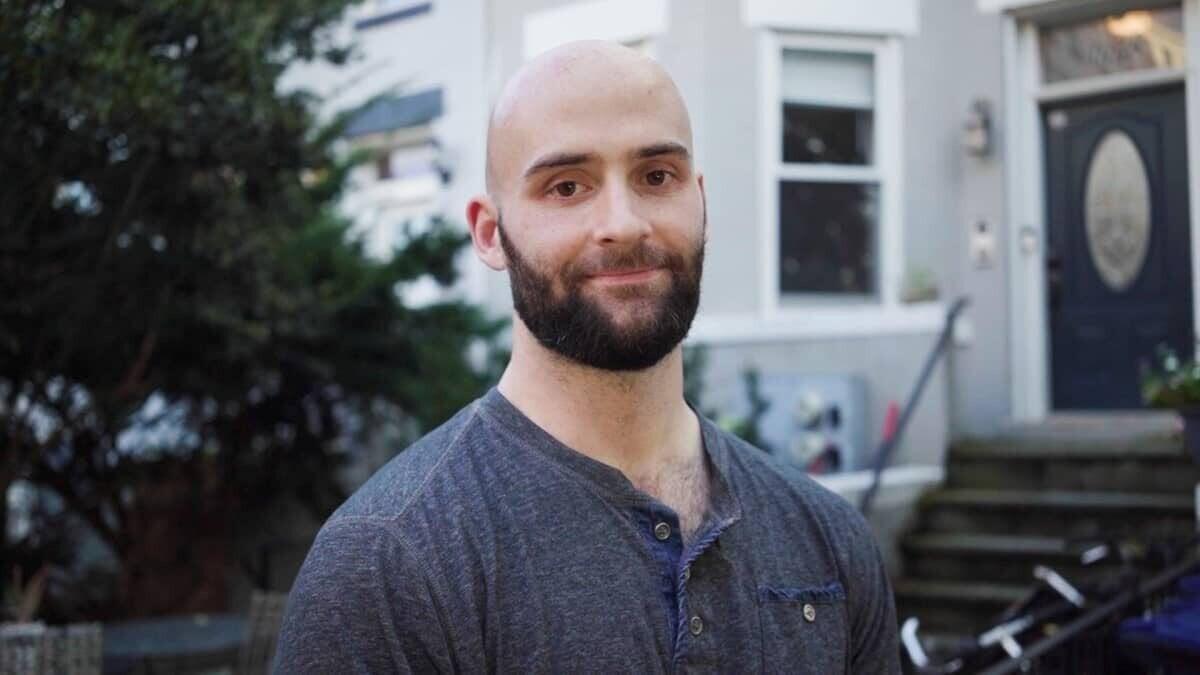
Google AI security analyst Charles Broomfield, 26, expects to earn about $323,000 in 2026 while keeping his core annual living expenses below $20,000. He shares an apartment in Washington, D.C., eats most meals at work and invests much of his income.
Broomfield has kept those core expenses below $20,000 for the past few years. That is less than the roughly $23,700 a full-time worker would earn at minimum wage, averaged across all 50 states.
His goal is $750,000 in investments within the next year. He has built up about $650,000 since graduating from college.
Roommates and workplace meals cut costs
Broomfield’s core living expenses totaled $1,477 in August, excluding savings, investments and graduate school tuition payments. Rent and utilities accounted for $1,098, while he spent $28 on groceries and eating out.
He shares an apartment with four roommates. In a neighborhood where one-bedroom apartments commonly rent for more than $2,000, he saves about $1,000 a month through the arrangement.
Google covers his daily Metro commute. Broomfield does not own a car and generally walks, bikes or takes public transportation.
Workplace meals have reduced his food spending from around $200 a month before he joined Google to about $70 on average. His August bill was unusually low because he had ingredients left from July.
He also pays $229 a month for a martial arts gym membership. Broomfield trains as a kickboxer and wants to compete before reaching financial independence.
Income rose as spending stayed low
Broomfield expects about $48,000 of his projected 2026 income to come from his YouTube channel and related career-coaching business. The rest of his income has grown through jobs since he graduated from Knox College in 2022.
His first job paid more than $100,000 a year. His compensation reached about $120,000 over his first three years and rose to $200,000 when he joined Amazon Web Services in 2025. After a brief stint at Capital One, he moved to Google in 2026.
In August, roughly 90% of his income went to savings and investments, which he described as typical. He contributed about $7,931 to his 401(k) retirement account and $10,000 to a taxable brokerage account.
Another $700 went toward a 0% interest tuition repayment plan with a former employer. His remaining balance was $16,800 in August.
Broomfield favors broad-market index funds and avoids cryptocurrency. “I don't try and pick individual stocks,” he said.
Early retirement is no longer the goal
Broomfield discovered the financial independence, retire early movement at 17. Its approach calls for frugal living and investing enough to support expenses without a paycheck.
His parents had covered the portion of his college tuition not paid for by scholarships. Although he graduated with roughly $50,000 in savings, he chose to count only money earned after college toward his investment goal.
He once considered living in a van to avoid rent. “It just [didn't] seem really worth it to go to that extreme,” Broomfield said.
He no longer plans to stop working when he reaches his target. “Once I reach financial freedom, maybe this is a little ironic, but I actually think I will keep working,” he said.
Broomfield hopes eventually to build a business of his own, potentially in AI security.
 Take the quizWhat Kind of Holiday Spender Are You? Take the Black Friday QuizStart →





 Markets · FintechHow to Calculate Compound Interest: Formula, Examples and the Rule of 72
 Lifestyle · Food & HealthNormal Blood Pressure Chart by Age: Healthy Ranges Explained
 Lifestyle · Food & HealthWhat Is Raynaud’s Syndrome? Why Fingers Turn White in the Cold
 Lifestyle · Food & Health4 Ways Walking After Meals Helps Your Body, Doctors Say