S&P 500 Slides as Midterm Relief Rally Fades
The S&P 500 has fallen into correction territory after an initial post-election bounce, as investors weigh Democratic control of Congress and scrutiny of artificial intelligence. UBS says state and local governments could impose greater constraints on data centers than federal legislation.

The S&P 500 has fallen into correction territory as investors weigh what the U.S. midterms mean for stocks and artificial intelligence. The index has dropped 10.1% since its initial 1.6% gain on the day after the election.
Democrats won control of both chambers of Congress in the November 3 midterms. The result ended months of election uncertainty, and stocks initially rallied.
That relief faded as investors considered the prospect of greater scrutiny of artificial intelligence, especially large data centers. The selloff in AI-related stocks spread globally.
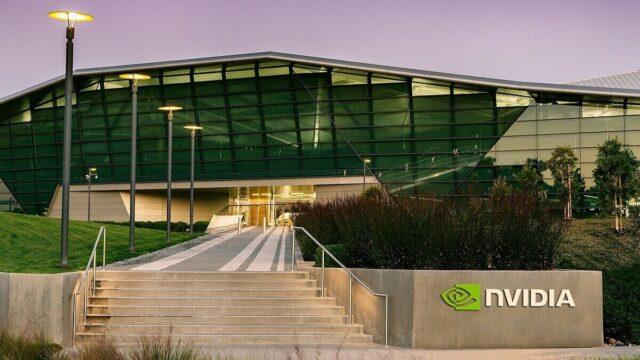
Those stocks had already faced pressure before the election. Sentiment took another hit amid questions about Nvidia after the departure of Chief Executive Jensen Huang.
A record initial public offering by artificial intelligence company Anthropic did little to resolve broader questions about the industry.
UBS analysts said federal legislation was “unlikely to materially slow AI development.” They pointed instead to possible restrictions from state and local governments.
Data centers place demands on land, water, electricity, power grids and tax resources, the analysts said. Those demands could prompt state and local officials to impose greater constraints.
For markets, UBS said earnings, AI investment, inflation, Federal Reserve policy, oil prices and geopolitics would remain more important than the election.
The analysts also said divided government could limit President Donald Trump’s administration. Most legislation would need bipartisan support, they said, while Democratic majorities could not override vetoes without Republican votes.
Trump’s administration retains broad discretion over trade, immigration, regulation and foreign policy, the analysts added.
Oil prices fall after election
Brent crude futures, the global oil benchmark, have fallen nearly 11% since the November 3 midterms. Hopes that Democrats would press Trump to seek a diplomatic solution with Iran have helped drive prices lower.
UBS said an eventual wind-down of the conflict with Iran was more plausible, although an imminent settlement remained unlikely. Continued stalemate or escalation could generate volatility, the analysts said.
UBS also expects the war in Ukraine to extend into 2027. Congressional scrutiny could impede rapprochement with Moscow, though Trump retains authority to pursue a settlement, the brokerage said.
A durable ceasefire could support European assets, UBS added.
 Take the quizWhat Kind of Holiday Spender Are You? Take the Black Friday QuizStart →




 Markets · FintechHow to Calculate Compound Interest: Formula, Examples and the Rule of 72
 Lifestyle · Food & HealthNormal Blood Pressure Chart by Age: Healthy Ranges Explained
 Lifestyle · Food & HealthWhat Is Raynaud’s Syndrome? Why Fingers Turn White in the Cold
 Lifestyle · Food & Health4 Ways Walking After Meals Helps Your Body, Doctors Say