November’s Full Moon Starts a Run of Four Supermoons
The Beaver Moon arrives on November 24 at 14:53 GMT, beginning a run of four consecutive supermoons. Viewers may get their most striking look near moonrise, though clouds, rain and wind could interfere in parts of the UK.
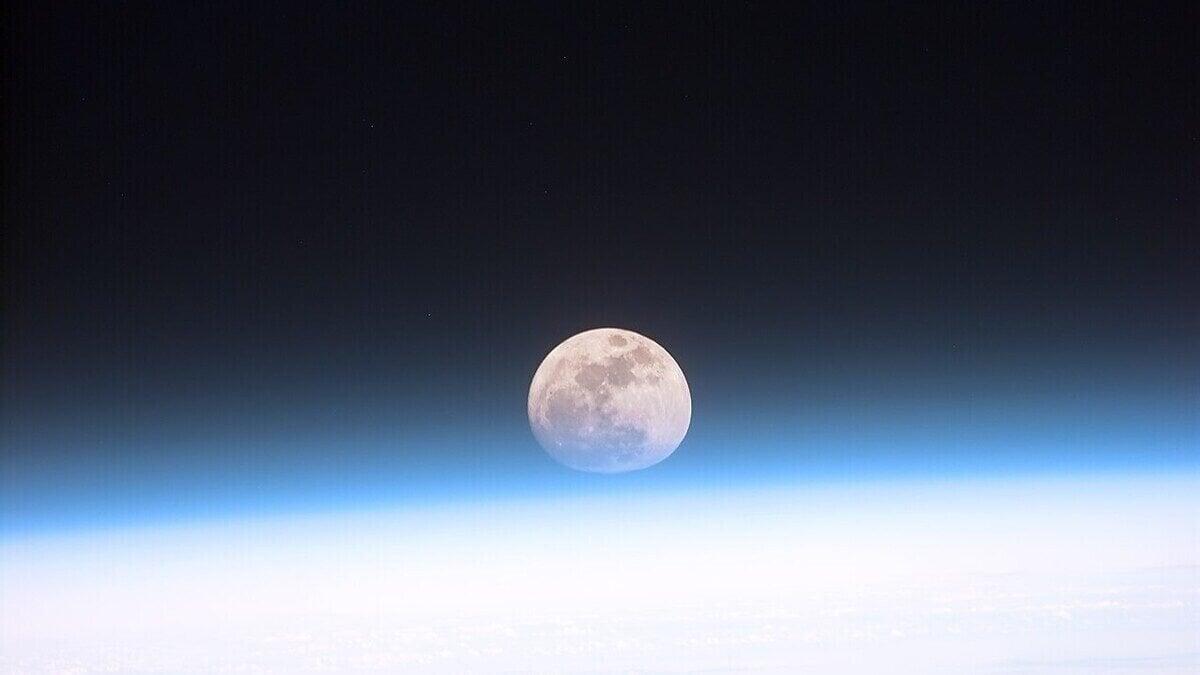
November’s full Moon arrives on Tuesday, November 24, at 14:53 GMT, beginning a run of four consecutive supermoons. Known as the Beaver Moon, it can appear 30% brighter and 14% larger than usual. Viewers may find the effect most striking near moonrise.
The Moon will also appear full on the nights around November 24. It will be around 95% full on Thanksgiving Day.
Why the Moon appears larger
A supermoon is a full Moon near its closest point to Earth in its orbit, called perigee. NASA defines a supermoon as a full Moon within 90% of its closest approach to Earth.
There are usually around three to four supermoons a year, and they occur consecutively. The Beaver Moon is the first supermoon since January.
The Moon can look particularly large near the horizon because of an effect called the Moon illusion. Away from moonrise, the change in size is not especially obvious to the naked eye. Its brightness may be the more noticeable difference.
The Moon’s gravitational pull is slightly stronger when it is closer to Earth. That contributes to higher tides than usual around the full Moon.
Where skies could stay clear
Viewing conditions over the next few days look mainly clear in Scotland and northern England, as well as parts of Northern Ireland and North Wales. Southern and western England face cloudier skies, with rain and strengthening winds forecast.
Northern and eastern areas are favored for clearer views, though low cloud, mist and fog could obscure the Moon. A weather front may move farther into western areas before the full Moon.
The Beaver Moon and its successors
November’s full Moon takes its Beaver Moon nickname from the time of year when beavers finish building winter dams and stock up on food. Many monthly full-Moon names reflect seasonal changes in nature and weather.
The next named supermoon is the Cold Moon on December 24, Christmas Eve. The Wolf Moon follows on January 22 as the first full Moon of the new year.
Other November sights include the Leonid meteor shower, which continues until the end of the month. The Northern Taurids remain visible until early December.
 Take the quizWhat Kind of Holiday Spender Are You? Take the Black Friday QuizStart →





 Markets · FintechHow to Calculate Compound Interest: Formula, Examples and the Rule of 72
 Lifestyle · Food & HealthNormal Blood Pressure Chart by Age: Healthy Ranges Explained
 Lifestyle · Food & HealthWhat Is Raynaud’s Syndrome? Why Fingers Turn White in the Cold
 Lifestyle · Food & Health4 Ways Walking After Meals Helps Your Body, Doctors Say