Brent Holds Near $92.88 as IEA Forecasts Oil Surplus in Q4
Brent crude traded at $92.88 a barrel on Thursday, far below October's peak, as the International Energy Agency forecast a fourth-quarter surplus. Standard Chartered cautions that shipping bottlenecks and a wide gap between agency demand forecasts could delay any glut.
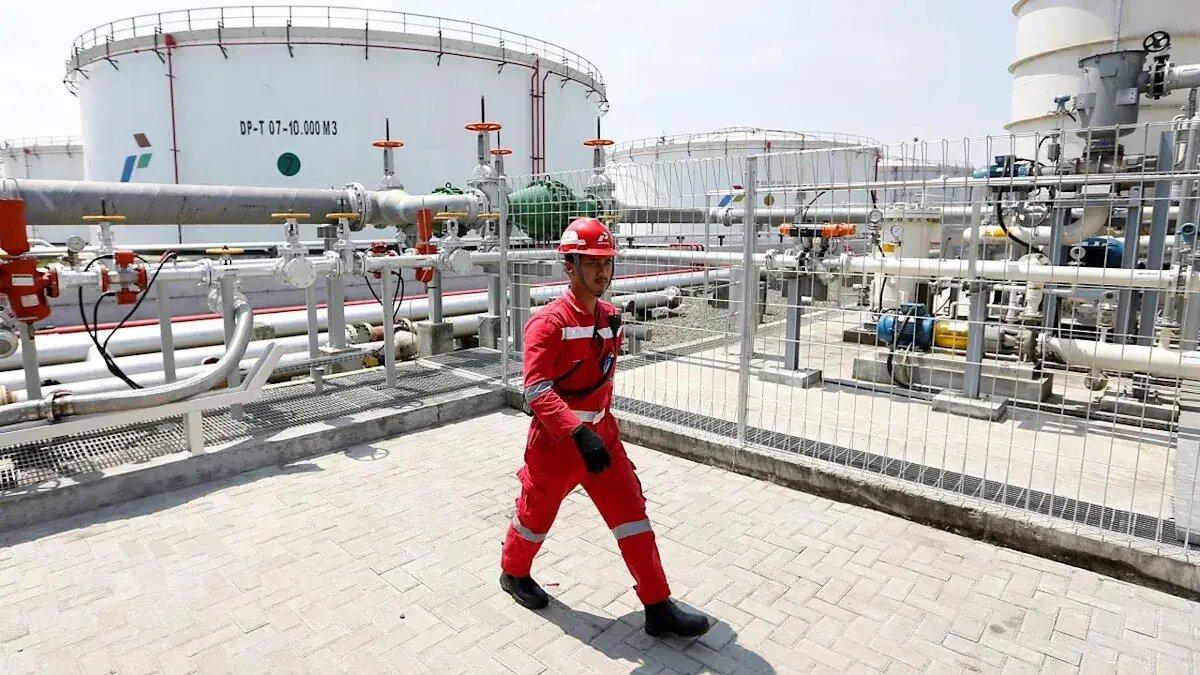
Brent crude rose 1.1% to $92.88 per barrel at 11:50 a.m. ET on Thursday. The price of oil has moved in a narrow range for several sessions as forecasts of a coming surplus collide with Middle East attacks and stalled diplomacy. Brent remains well below October levels above $110.
US benchmark West Texas Intermediate (WTI) gained 1.7% to $84.69 per barrel.
The International Energy Agency (IEA) said in its November Oil Market Report that the market will return to surplus in the fourth quarter as Gulf exports recover faster than global demand. It now sees supply exceeding demand by 1.7 million barrels per day (bpd) in Q4 2026. Its previous forecast was a deficit of 1.8 million bpd.
Global supply rose to 105.4 million bpd in October. The IEA raised its Q4 supply estimate by 3.3 million bpd from last month. It cut its 2027 demand forecast by 80,000 bpd to 104.3 million bpd.
Other agencies shift toward oversupply
The US Energy Information Administration (EIA) has moved the same way. In October it forecast a 700,000 bpd inventory draw in the fourth quarter. It now expects stocks to build in Q4 and to rise by an average of 3.5 million bpd in the first half of 2027.
The EIA estimates crude output shut in across the Gulf fell to 2.5 million bpd in October. That compares with 4.8 million bpd in September and a peak of 10.9 million bpd in May. OPEC said output from the OPEC+ alliance rose by roughly 2 million bpd in October, led by Saudi Arabia and Iraq.
Analysts at Standard Chartered caution that higher Gulf output does not yet mean more oil reaching buyers. Tanker shortages, damaged infrastructure and record freight rates are still holding back shipments. The bank also notes the IEA's surplus call is larger than any other agency's, and past forecast surpluses have often arrived late.
Demand forecasts diverge
OPEC's November report puts 2027 global oil demand at 108.3 million bpd, almost 4 million bpd above the IEA's figure. It keeps its 2027 demand growth forecast at 2.55 million bpd. The two agencies measure liquids differently, so the gap overstates the disagreement.
The IEA expects petrochemical feedstocks to drive most of next year's growth. The EIA expects global liquids demand to grow by 2 million bpd in 2027 after falling by about the same amount this year.
Standard Chartered says demand will decide how much returning Gulf supply the market can absorb. It expects attacks on shipping and stalled talks to keep a geopolitical premium in prices, but still sees crude falling through 2027.
Europe's gas storage stays thin
Standard Chartered expects European gas prices to stay elevated through winter. EU gas inventories stood at 70.4% on Nov. 15, about 18 percentage points below the five-year average. QatarEnergy's force majeure on European deliveries runs through December.
Dutch TTF front-month futures rose €2.25 to €83.10 per megawatt-hour on Thursday morning, on an outage at Norway's Troll gas field and cooler weather forecasts.
 Take the quizWhat Kind of Holiday Spender Are You? Take the Black Friday QuizStart →
- 1Nasdaq Falls Into Correction as Buffett’s Crash Advice Resurfaces

- 2Dow Futures Jump 1.5% as Wall Street Tries to Rebound From Rout

- 3Stock Market Today: Dow, S&P 500 Futures Surge After Tech Rout as Oil Slides

- 4GTA 6 Metacritic User Score Falls Despite Near-Perfect Reviews

- 5Wests Tigers Allow Fainu Loan as Fogarty Talks Continue

 Lifestyle · Food & HealthCold vs Flu vs RSV: How to Tell the Difference by Symptoms, Speed and Duration
 LifestyleWhy Do Long Lines Make People Curious? 5 Reasons We Join the Crowd
 Technology · Apps & SoftwareHow to Secure a Home Wi-Fi Network: 7 Steps Cybersecurity Agencies Recommend
 Lifestyle · Food & HealthHigh Blood Pressure: Symptoms, Readings and 5 Ways to Lower It, Experts Say