David Dykeman Inquest Calls for Changes After Custody Death
An inquest jury found that David Virgil Dykeman’s death in police custody in Saint John was accidental and caused by alcohol and medication toxicity. Jurors recommended changes to hospital care, addiction services and police lockups. His mother, Barbara Kennedy, said she hopes the recommendations lead to action.
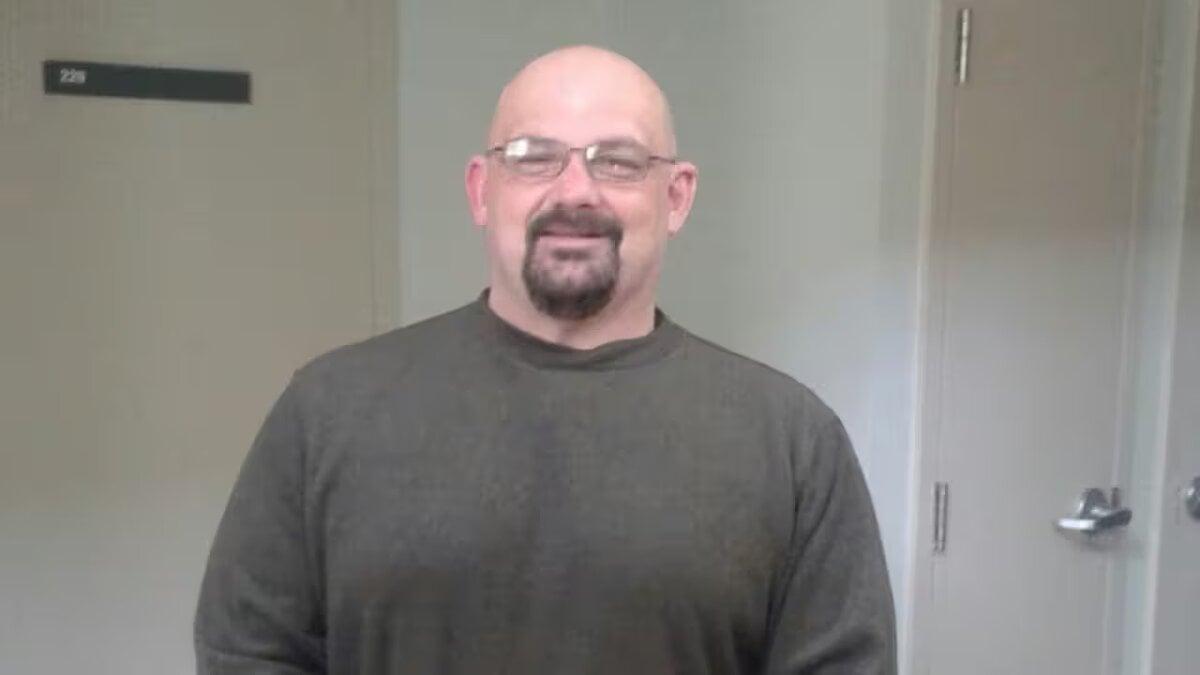
An inquest jury in Saint John concluded that David Virgil Dykeman died accidentally in police custody from a combination of alcohol and medication toxicity. Jurors recommended changes to hospital care, addiction services and police detention facilities after hearing evidence about his death.
Police detained Dykeman, 48, while he was intoxicated on the evening of December 14, 2023. He was found unresponsive in the Saint John Police Force lockup later that evening.
Officers gave him CPR, but he was later pronounced dead, police said.
His family supported the jury’s recommendations and called for action. “I hope this is just not an exercise in futility,” said his mother, Barbara Kennedy.
Jury recommends changes to care
Coroners said Dykeman died from alcohol and diazepam toxicity. Dr. Matthew Greer of Saint John Regional Hospital said Dykeman received diazepam to manage alcohol withdrawal symptoms the day before his death.
Michelle Babineau, a nurse at the Ridgewood addiction services centre in Saint John, said Dykeman had been in a detox program. He wanted to stay but had to be discharged because others had been booked for the space, she said.
Jurors recommended follow-up appointments for patients prescribed withdrawal medication when seeking hospital care for addiction. They also called for a hospital alcohol treatment program to reduce pressure on detox services.
For people waiting for rehabilitation, the jury recommended an alternative way to access support. It also recommended weekly follow-ups or check-ins for people who have been discharged.
Lockup recommendations go to agencies
The jury recommended installing biometric radar in police cells to track heart and breathing rates. It also called for a paramedic to staff lockups regularly.
Jurors said a staff member should be on site at the cellblock with immediate access to cell doors and electronic logs of cell checks.
Regina Police Service Staff Sgt. David Kliman told the inquest that similar measures had helped his department reduce deaths in custody.
The Serious Incident Response Team, a police watchdog, investigated Dykeman’s death. It found no reasonable grounds to believe the officers involved had committed a criminal offense.
Kennedy said she wanted more resources for rehabilitation and shorter waits. Dykeman had tried to access programs over the years, she said, and the family had paid for some of his care.
Deputy Chief Coroner Michael Johnston said the chief coroner would send the recommendations to the relevant agencies and parties. “These recommendations, of course, aren't orders, they're recommendations,” Johnston said.
Johnston said the recommendations would be tabled in the legislature in the chief coroner’s annual report. Agencies will be asked to respond, he said.
 Take the quizWhat Kind of Holiday Spender Are You? Take the Black Friday QuizStart →
- 1Alphabet GOOG falls 1.06% as chip report clouds Google’s 2027 TPU orders

- 2Meta Platforms shares rise 2.5% as AI loan and Amazon talks draw focus

- 3Qualcomm shares rise to $168.66 as chipmaker bucks wider tech selloff

- 4Dow futures slip as AI stocks give back Nvidia’s rally

- 5Lloyds shares slip to 94.72p as decline extends

 Lifestyle · Food & HealthNorovirus Symptoms: How Long It Lasts and When You Stop Being Contagious
 Lifestyle · Food & HealthCold vs Flu vs RSV: How to Tell the Difference by Symptoms, Speed and Duration
 LifestyleWhy Do Long Lines Make People Curious? 5 Reasons We Join the Crowd
 Technology · Apps & SoftwareHow to Secure a Home Wi-Fi Network: 7 Steps Cybersecurity Agencies Recommend