Bank of Korea Raises Rate to 3.25% Amid AI Chip Boom
South Korea’s central bank raised its key interest rate to 3.25% as inflation stayed above target and AI chip demand fueled exports. The Bank of Korea also lifted its growth forecasts for 2026 and 2027, citing expectations of sustained export and investment growth.
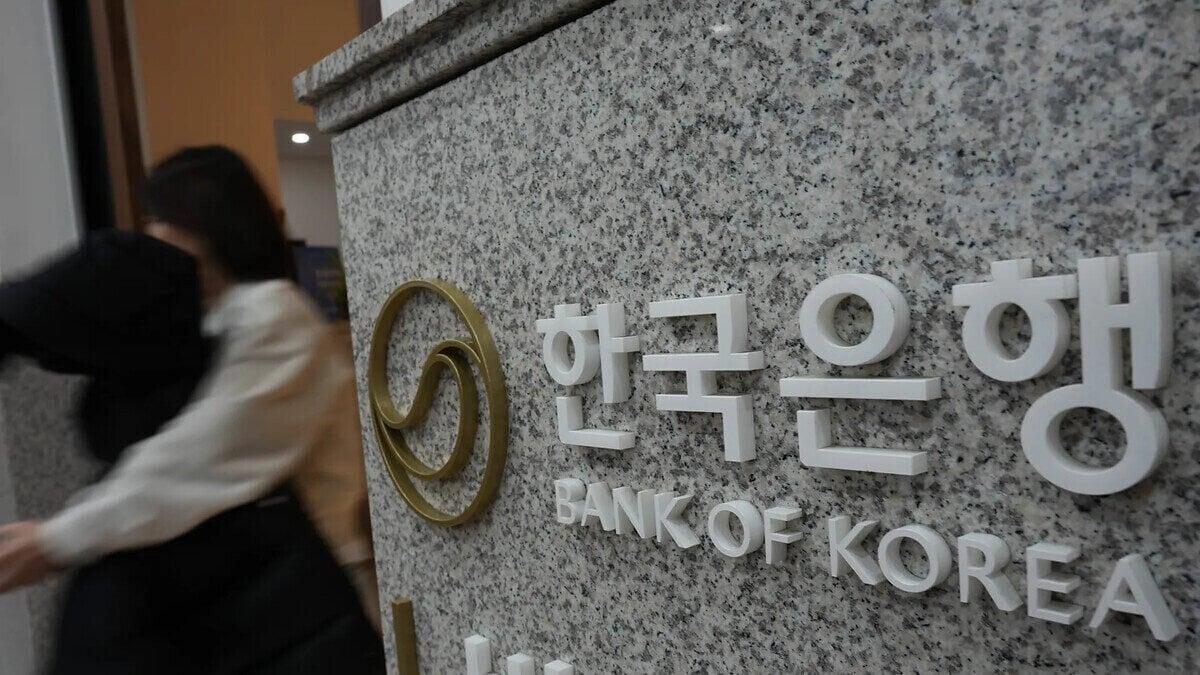
The Bank of Korea raised its key interest rate by 0.25 percent to 3.25%, citing strong domestic growth and above-target inflation. The decision comes as demand for artificial intelligence chips drives exports and helps power one of South Korea’s fastest economic expansions in more than a decade.
The central bank also raised its growth forecasts for 2026 and 2027. It expects exports and investment to keep growing, while higher energy prices are expected to keep inflation elevated.
Growth forecasts rise through 2027
The Bank of Korea raised its gross domestic product growth forecast to 3.9% for 2026 and 4.1% for 2027. Gross domestic product measures the value of goods and services produced in an economy.
In August, the bank forecast growth of 3.3% for 2026 and 2.9% for 2027. South Korea’s economy grew 3.4% from a year earlier in the July–September quarter, far outpacing forecasts.
| Year | New growth forecast | August forecast |
|---|---|---|
| 2026 | 3.9% | 3.3% |
| 2027 | 4.1% | 2.9% |
Excluding the outlier years of the COVID-19 pandemic, South Korea is on track for its strongest performance since 2010, when its economy grew 6.2%.
Inflation stood at 2.8% in October, above the central bank’s 2% target. The bank said inflation would “stay elevated for some time” amid the effects of higher energy prices.
Despite tensions in the Middle East, the bank expects the global economy to maintain a favorable growth trend because of “robust AI investment.”
Chip exports fuel the expansion
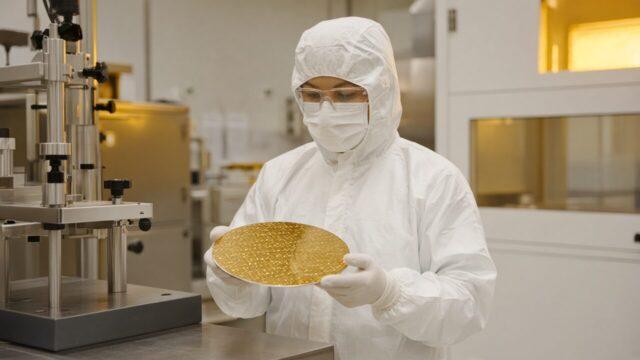
South Korea’s exports rose 94% from a year earlier to $115.3 billion in October, after reaching a monthly record of $120.9 billion in September. Semiconductors made up nearly half of total exports, led by SK Hynix and Samsung Electronics.
The two companies together control about 80% of the global market for high-bandwidth memory, according to Counterpoint Research. That memory is used in advanced computing.
Counterpoint Research said the companies also control 60% of the market for dynamic random-access memory, a type of computer memory. South Korea has benefited from the multi-trillion-dollar investment boom in artificial intelligence.
After a technology-led sell-off the previous day, South Korea’s stock market rose alongside a rebound across the region. Seoul’s Kospi closed up 0.3%, while Tokyo’s Nikkei 225 and Taipei’s Taiex finished 0.9% and 2.5% higher, respectively.
The Bank of Korea said the global economy and financial markets would be affected by the outlook for AI investment, policy changes in major economies and developments in the Middle East.
 Take the quizWhat Kind of Holiday Spender Are You? Take the Black Friday QuizStart →
- 1Alphabet GOOG falls 1.06% as chip report clouds Google’s 2027 TPU orders
- 2Meta Platforms shares rise 2.5% as AI loan and Amazon talks draw focus
- 3Qualcomm shares rise to $168.66 as chipmaker bucks wider tech selloff
- 4Dow futures slip as AI stocks give back Nvidia’s rally
- 5Lloyds shares slip to 94.72p as decline extends

 Lifestyle · Food & HealthNorovirus Symptoms: How Long It Lasts and When You Stop Being Contagious
 Lifestyle · Food & HealthCold vs Flu vs RSV: How to Tell the Difference by Symptoms, Speed and Duration
 LifestyleWhy Do Long Lines Make People Curious? 5 Reasons We Join the Crowd
 Technology · Apps & SoftwareHow to Secure a Home Wi-Fi Network: 7 Steps Cybersecurity Agencies Recommend