Xpeng plans electric car showroom robot deliveries in 2027
Xpeng plans to begin delivering its Iron humanoid robot in the second half of 2027, after training it as a store assistant. Co-President Brian Gu said robots could enter homes one to two years after successful commercial deployment, though household use brings additional safety demands.
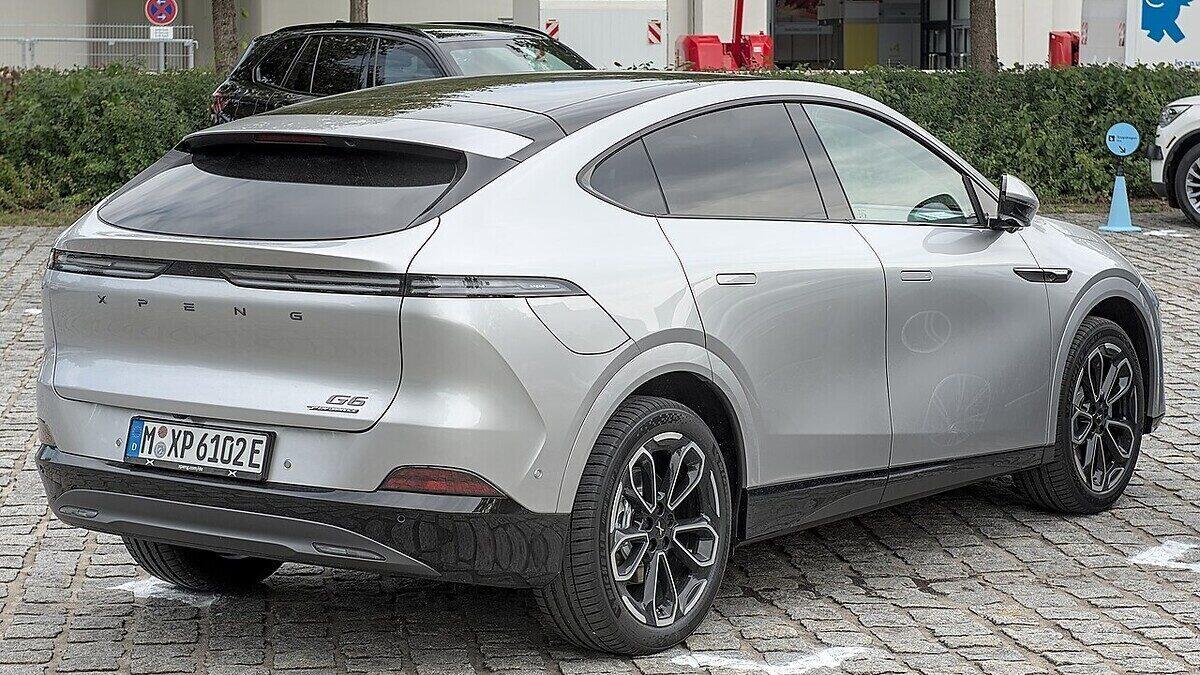
Xpeng plans to begin deliveries of its next-generation humanoid robot in the second half of 2027, according to the Chinese electric car company. Co-President Brian Gu said household deployments could follow successful commercial use by one to two years.
The first workplace will be a car showroom. Xpeng plans to train the robot, called Iron, as a store assistant at its retail car locations.
The company plans to begin that training in the first quarter of 2027, after starting mass production in January. Sales are set to begin in the second quarter, with deliveries expected later in the year.
Gu said household use would require robots to operate safely around elderly people, children and pets. They would also need to respond to emergencies, raising demands on battery power and consistent performance.
“Technology is moving at a much faster clip,” Gu said.
Xpeng targets commercial robot sales
Xpeng unveiled its latest general-purpose Iron robot and announced its Turing Physical AI Architecture, a system designed to control cars and humanoids using artificial intelligence and real-time decisions.
Gu said coordinating several actions at once is a major challenge. A robot must be able to perform a task while walking and answering questions, without falling or losing focus, he said.
Xpeng's co-founder and chief executive, He Xiaopeng, came to appreciate the difficulty of making hardware work safely and consistently after entering the electric vehicle business, Gu said.
The company has developed its own artificial intelligence chips. Gu said its robotics development needs only the driver-assist chips Xpeng already has.
“Right now we don't see any change to our supply chain, and also ability to have these chips,” Gu said.
Gu expects robotics profits
Gu said robotics could become a meaningful part of Xpeng's business in two to three years, with profitability possible as soon as 2027.
“It's much easier to be profitable for the robotics business than the autos business,” Gu said.
Xpeng's robotics unit raised $900 million at a $6.3 billion valuation in its first funding round, led by IDG Capital. Gu said he expects to add more investors after Iron's planned commercial launch in 2027.
Xpeng's shares, listed in New York and Hong Kong, have fallen more than 55% this year amid broader declines in the Chinese auto sector.
Founded in 2014 as an electric car company, Xpeng has also expanded into personal flying vehicles and robotics.
 Take the quizWhat Kind of Holiday Spender Are You? Take the Black Friday QuizStart →
- 1Alphabet GOOG falls 1.06% as chip report clouds Google’s 2027 TPU orders
- 2Meta Platforms shares rise 2.5% as AI loan and Amazon talks draw focus

- 3Qualcomm shares rise to $168.66 as chipmaker bucks wider tech selloff

- 4Dow futures slip as AI stocks give back Nvidia’s rally
- 5Lloyds shares slip to 94.72p as decline extends

 Lifestyle · Food & HealthNorovirus Symptoms: How Long It Lasts and When You Stop Being Contagious
 Lifestyle · Food & HealthCold vs Flu vs RSV: How to Tell the Difference by Symptoms, Speed and Duration
 LifestyleWhy Do Long Lines Make People Curious? 5 Reasons We Join the Crowd
 Technology · Apps & SoftwareHow to Secure a Home Wi-Fi Network: 7 Steps Cybersecurity Agencies Recommend