Newborn Health: Vitamin K Shot Refusals More Than Double
A study found that the share of US newborns who did not receive a vitamin K injection rose from 3.1% in 2017 to 6.8% in 2025. Doctors say the shot prevents a rare but potentially fatal bleeding condition, and some hospitals are seeing more affected babies.
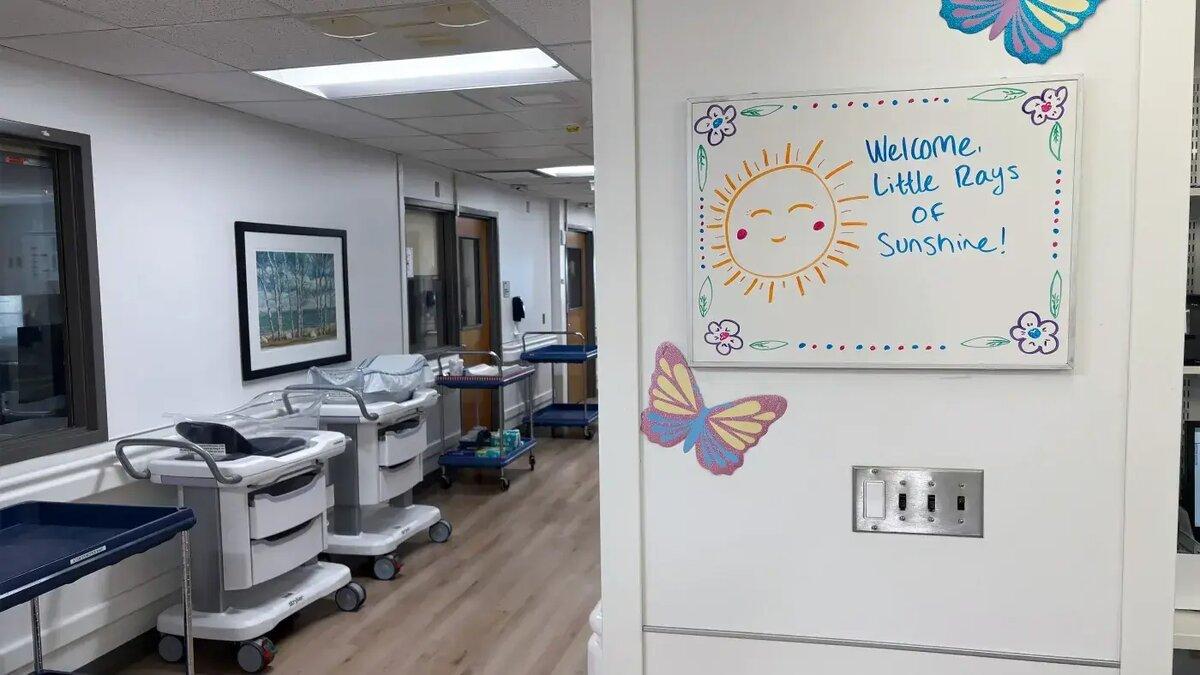
Newborn health risks are drawing concern as more US parents decline vitamin K injections for their babies. Research published in JAMA found that 6.8% of newborns did not receive the shot in 2025, up from 3.1% in 2017.
The injection prevents a rare bleeding condition that can be fatal. Doctors at multiple US hospitals say they now regularly see babies with life-threatening bleeding caused by vitamin K deficiency.
Doctors confront rising refusals
At Corewell Health's Butterworth Hospital in Grand Rapids, Michigan, at least one family refuses the injection for a newborn each day, on average. Pediatrician Torrie LeBlanc and her colleagues launched an initiative to reduce refusals there.
Two years into the effort, the hospital's vitamin K refusal rate is flat. Refusals of other standard newborn medications, including the hepatitis B vaccine, continue to rise.
“I honestly thought it would be easier,” LeBlanc said. “The more people I talk to, the more I learn about the misinformation that's online and the different reasons that people are refusing.”
Doctors at the hospital say parents now regularly argue against treatments ranging from the vitamin K shot to antibiotics for a critically ill infant.
Bleeding can strike newborns
LeBlanc recalled a baby girl whose parents had declined the injection. About 36 hours after birth, the newborn began bleeding from her eyes, nose and rectum.
Nurses and doctors rushed the baby to the neonatal intensive care unit. They gave her fresh frozen plasma and other blood products to replace what she was losing.
Her parents agreed to vitamin K as she neared death. LeBlanc and an attending physician said the baby survived largely because she received treatment almost instantly.
Babies are born with very low vitamin K levels. The injection has been routine newborn care since the 1960s and is usually given within six hours of birth.
The Centers for Disease Control and Prevention says the shot is safe, with virtually no severe side effects. It prevents vitamin K deficiency bleeding, which can include bleeding in the brain.
Fewer than 1 in 100,000 babies who receive the shot develop the most serious form of the condition. Babies who do not receive it are 81 times more likely to develop it, according to the agency.
Among babies who develop that serious form of bleeding, 1 in 5 die, the agency says.
Some affected babies have died or suffered lifelong brain injuries. Solomon Behar, a pediatric emergency medicine doctor in Los Angeles, recently treated an infant with vitamin K deficiency bleeding who died.
 Take the quizWhat Kind of Holiday Spender Are You? Take the Black Friday QuizStart →
- 1Alphabet GOOG falls 1.06% as chip report clouds Google’s 2027 TPU orders
- 2Dow futures slip as AI stocks give back Nvidia’s rally
- 3Wall Street slips as chip selloff drags Nasdaq lower, but Dow rises
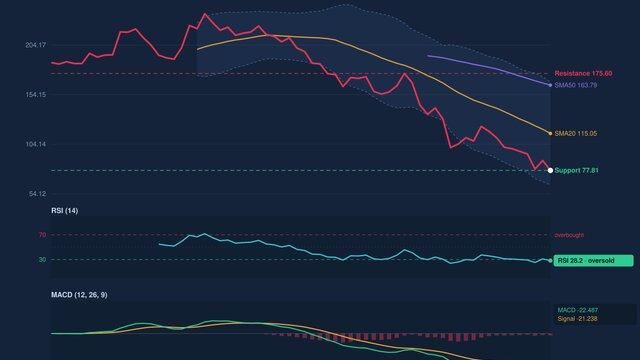
- 4Sandisk stock tests 77.81 support, with 74.87 the floor below
- 5Christa Pike Seeks Independent Exams After Failed Execution
 Lifestyle · Food & HealthCold vs Flu vs RSV: How to Tell the Difference by Symptoms, Speed and Duration
 LifestyleWhy Do Long Lines Make People Curious? 5 Reasons We Join the Crowd
 Technology · Apps & SoftwareHow to Secure a Home Wi-Fi Network: 7 Steps Cybersecurity Agencies Recommend
 Lifestyle · Food & HealthHigh Blood Pressure: Symptoms, Readings and 5 Ways to Lower It, Experts Say