
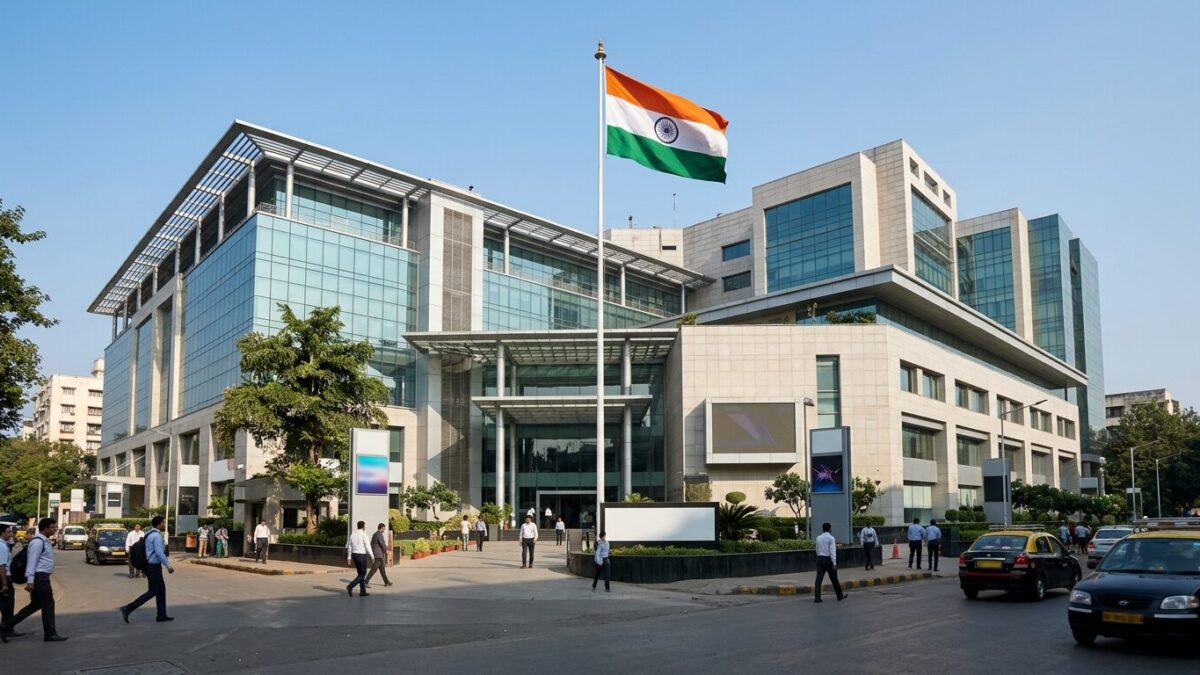
MUMBAI — The India stock market closed today as the country marked Muharram, leaving global investors to watch how the pause will affect liquidity across Asia. The shutdown covers the two main exchanges, the Bombay Stock Exchange (BSE) and the National Stock Exchange (NSE).
The move matters because India has become a bigger anchor for regional risk appetite. When trading stops in Mumbai, portfolio managers who hedge in Indian equities or derivatives have to adjust fast. Cash equities, equity derivatives, securities lending and borrowing, and currency and interest rate derivatives all sit out for the day. Trading will resume on Monday next week.
What stays open during the India stock market closed holiday
There is one partial exception. Commodity derivatives on the Multi Commodity Exchange (MCX) shut only for the morning session, from 9:00 a.m. to 5:00 p.m. local time, before reopening for the evening session. That arrangement helps keep the link to global commodity moves intact, especially for gold and crude oil, which often react sharply to Europe and U.S. trading hours.
The return to normal trading on the NSE and BSE is scheduled for June 29. For brokers, that means a short break after several sessions of choppy trade. For investors, it means one less day of local price discovery — and a bit more time for overseas cues to build up.
How the Indian indices finished before the break
Before the India stock market closed, benchmark indices were still holding in positive territory. The Nifty climbed back above the 24,250 psychological mark in the previous session, its highest level in about a month, helped by lower crude prices and selective buying in autos and fast-moving consumer goods.
Last-session data showed the Sensex ended up 109.25 points, or 0.14%, at 77,100.47. The Nifty also rose 0.14% to 24,056.00. Midcap shares, though, lost some ground.
| Index | Latest Close | Change |
|---|---|---|
| Sensex | 77,100.47 | +0.14% |
| Nifty 50 | 24,056.00 | +0.14% |
| Nifty Midcap | 48,120.50 | -0.50% |
Why the pause matters for traders
Small-cap and mid-cap stocks were weaker than the headline indices, a sign traders were already getting cautious ahead of the holiday. Some investors locked in profits rather than carry positions into the break. Simple. No drama.
“The gains in the last two sessions appear to be capped around the 24,200 resistance zone,” Nagaraj Shetti, Senior Technical Research Analyst at HDFC Securities, said in a statement cited by local media. He said the daily chart shows buying pressure facing rejection around that level, which investors should watch closely.
Short-term momentum still looks constructive, but the next move will likely depend on whether the Nifty can hold above support near 23,800 after markets reopen. U.S. economic releases next week are expected to shape Asia’s opening tone, and Indian traders will come back to that with fresh overnight cues already waiting.
Quick take: the market break is temporary, commodity trading stays partly open, and the real test comes when India returns on Monday.




📝 Leave a Comment
Comment as . Reviewed by an admin before it appears.