
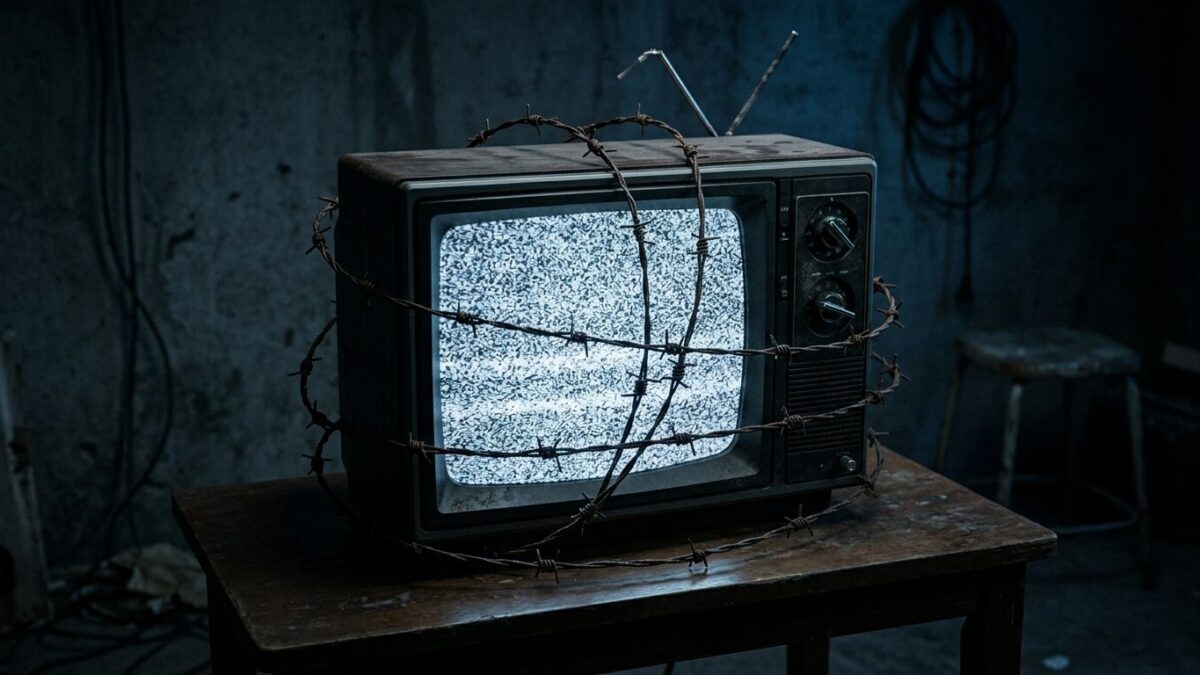
KAMPALA — The forced Uganda media shutdown by the army did more than silence a newsroom; it cut off vital information for millions of people now living under a growing sense of fear. The move by the security forces sent one of the strongest signals yet of how badly democratic safeguards are fraying in the East African country. All independent TV, radio and news websites went dark, leaving the public with a disturbing information vacuum.
Army surrounds newsroom
The shutdown followed a direct order from Uganda’s military chief, Muhoozi Kainerugaba, who is also the son of President Yoweri Museveni. In a post on X, Kainerugaba announced that the country’s largest media group would no longer be allowed to operate.
“NTV and Daily Monitor are closed from today! In Uganda, I do NOT believe in a free press! The press must be guided by revolutionary cadres,” Kainerugaba wrote on his official account.
Soon after the statement, dozens of heavily armed soldiers took positions outside Nation Media Group’s headquarters in the capital, Kampala. A senior NTV journalist, who asked not to be named, said the scene on the ground was tense.
“We have been shut down by the military, both at the NTV studio and at the newsroom. No one is allowed in or out. Those working the night shift were told to leave by the soldiers,” the journalist told AFP.
Which outlets were taken offline
The forced closure crippled nearly the entire information business of the largest private media group in the East African nation. Digital TV services now show only blank screens.
Here is the list of key information outlets now blocked by the Ugandan military:
| Media outlet | Platform | Current status |
|---|---|---|
| Daily Monitor | Newspaper & online | Office sealed by the military |
| NTV Uganda | News television | Off air |
| Spark TV | Entertainment television | Off air |
| Dembe FM & KFM | Radio | Frequencies blocked |
| The East African | Regional media | Distribution banned |
Power shift under pressure
Uganda’s political climate has been heating up for months. Many observers say Kainerugaba is trying to clear the path to eventually replace his father, who is now 81. The family’s dynastic ambitions have become more visible as the country edges toward a leadership transition.
Museveni has ruled Uganda for 40 years. Kainerugaba said the media shutdown had the direct approval of his father. The presidential family appears determined to make sure no competing narrative reaches the public as the succession process unfolds.
The crackdown drew swift international criticism. The Committee to Protect Journalists said the move reflected a deeply troubling abuse of state security forces and posed a serious threat to democracy in Africa. Angela Quintal, the CPJ’s Africa program coordinator, urged the military to withdraw from the media offices immediately.
“Using military force to silence independent journalism is a cowardly act that violates Uganda’s own constitution,” Quintal said in a written statement.
Wider damage to public information
The impact of the shutdown was felt quickly across both the economy and society. Hundreds of journalists and media workers suddenly lost their jobs, with no clear legal protection. The disappearance of trusted news channels also fueled anxiety among business people who rely on stable information to make financial decisions.
Media observers say the move is designed to send a warning to other journalists who still try to challenge power. Fear has now spread to smaller newsrooms in Uganda’s regions.
The Uganda Journalists Association also called for a joint strike in solidarity with those affected by the forced closure. It urged journalists across the country to stop covering government activities until their colleagues’ broadcast rights are fully restored.
The fight over public space is now expected to move into the courts in the coming weeks.



📝 Leave a Comment
Comment as . Reviewed by an admin before it appears.