Satellite images lay bare the toll of heat and drought across the UK
Images are showing the UK’s long hot summer not as a headline, but in the fields themselves. Patches that were green in May now. Satellite — full details here.
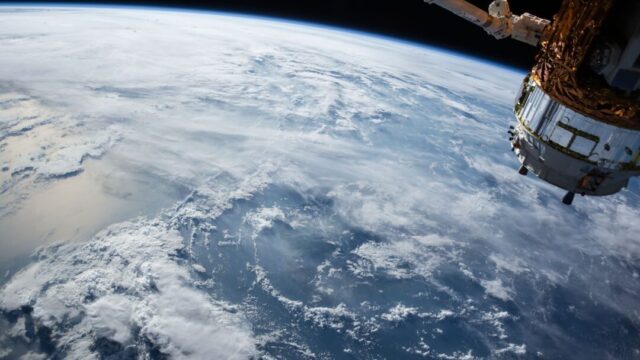
Satellite images are showing the UK’s long hot summer not as a headline, but in the fields themselves. Patches that were green in May now look light brown in July, with BBC Verify analysis pointing to visible vegetation stress across parts of the country.
The biggest changes appear across Conwy, Flintshire, Denbighshire and Merseyside, where satellite comparisons show a stark shift in plant health. Areas once marked by a patchwork of grassland and fields now look dry and faded. The damage is not just cosmetic. It can hit crops, pasture and the wider farm economy.
What the images show
BBC Verify used the Normalised Difference Vegetation Index, or NDVI, to measure how green and healthy the landscape is. The index is based on satellite data and helps show where plants are thriving and where they are struggling.
Here, the signal is clear. Very clear.
The contrast between May and July suggests that long stretches of hot weather, combined with next to no rain in some areas, have left parts of the UK landscape under severe strain. Experts say that kind of weather can slow the growth of grass and crops and create significant problems for farming.
Why farmers are watching closely
A lack of rain during prolonged heat is especially hard on agriculture because it hits at the root of production. Less moisture means weaker plants. Lower yields can follow. And when that pattern spreads across broad areas, it starts to matter for food supplies too.
That concern is not limited to this summer. Scientists warn that the UK faces a growing risk of water shortages over the coming decades, driven by human-caused climate change and rising demand. The immediate pressure on fields now sits inside a longer, more difficult picture.
For farmers, the satellite evidence offers a rare wide-angle view of the damage. For policy makers, it is a warning that extreme weather is no longer abstract. It is already altering the colour of the land.
And the warning is likely to get louder as the dry spell continues, with experts saying the combination of little rain and prolonged heat could cause significant issues for agriculture and food supplies.