Virus-hit sardine die-off forces South Africa’s Koeberg nuclear plant to cut output
South Africa’s Koeberg Nuclear Power Station has cut output at Unit 1 to 50% after marine debris tied to a sardine die-off clogged a seawater
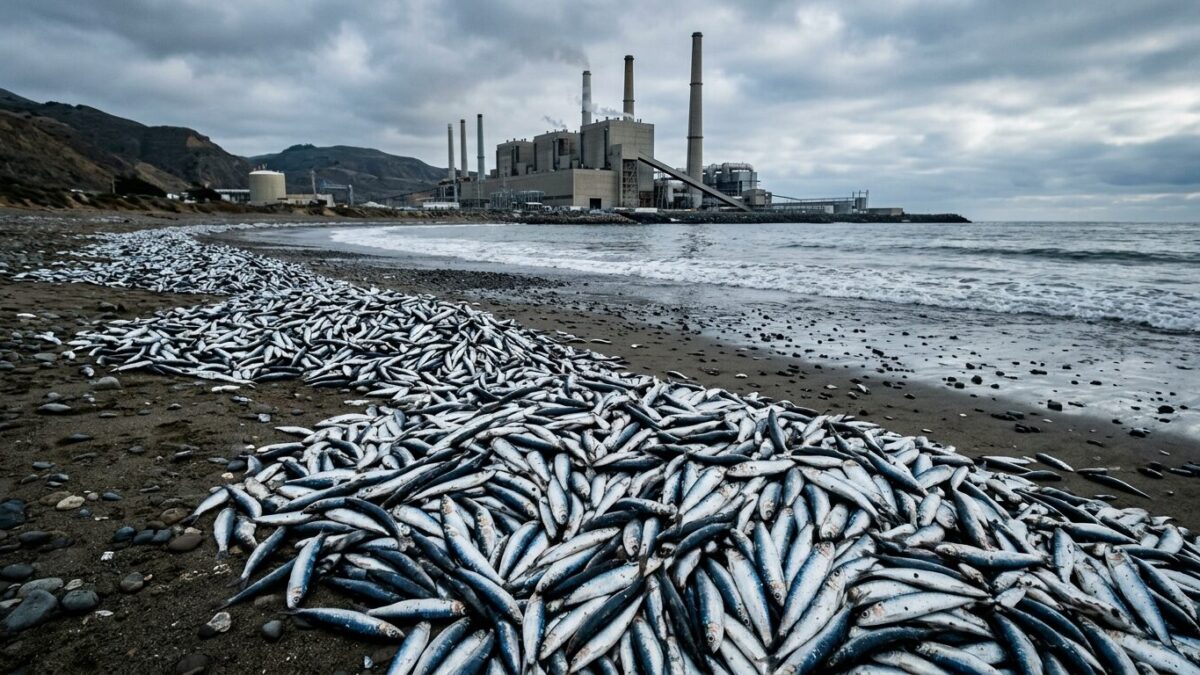
South Africa’s Koeberg Nuclear Power Station has cut output at Unit 1 to 50% after marine debris tied to a sardine die-off clogged a seawater intake and triggered an automatic shutdown of a cooling water pump. Eskom said the plant’s nuclear safety was not compromised and the national grid remained stable.
The disruption comes after a mass mortality event along parts of South Africa’s southwestern and West Coast, where investigations increasingly point to pilchard herpesvirus as the leading cause of the sardine deaths, though confirmatory testing is still under way. For Koeberg, the problem was practical and immediate: dead marine material built up at the intake, forcing emergency teams to clear the area.
Cooling system hit by marine material
Eskom said Unit 1 was reduced as a safety precaution after the cooling water pump shut down automatically. The company said the plant will return to normal output once the cooling system is fully restored.
The incident is the first known case in which dead marine material linked to a sardine mortality event has disrupted Koeberg’s cooling infrastructure. That matters well beyond the plant itself. Koeberg is South Africa’s only nuclear power station, and any constraint at the site is watched closely because it sits inside a national electricity system that has already endured repeated strain in recent years.
Eskom moved quickly to reassure the public. Nuclear safety was not affected, it said, and power supply to the grid stayed stable despite the reduction. The message was plain: the reactor was not in danger, but the intake had to be cleared before full output could resume.
A strange link between sea life and electricity
The episode underlines how tightly coastal infrastructure depends on the health of the marine environment. A fish kill can sound like a fisheries issue. Here, it reached a nuclear plant.
South Africa’s west coast sardine event has already drawn concern because of its scale and because the suspected driver, pilchard herpesvirus, is still being checked. Now it has spilled into the energy sector, creating an unusual intersection of ecology and power generation. The link is unusual, but the mechanics are straightforward. Seawater intakes can be vulnerable when large amounts of organic material drift in.
Eskom has not given a timeline for the return of Unit 1 to full generation, saying only that normal output will resume once the cooling water system is restored. For now, the plant remains at half strength, and the cleanup continues.