Ramaphosa’s GBVF Plan Faces a Simple Test: What Changes?
JOHANNESBURG — President Cyril Ramaphosa has ordered 60- and 90-day plans to tackle stalled gender-based violence and femicide cases, forensic backlogs and u...
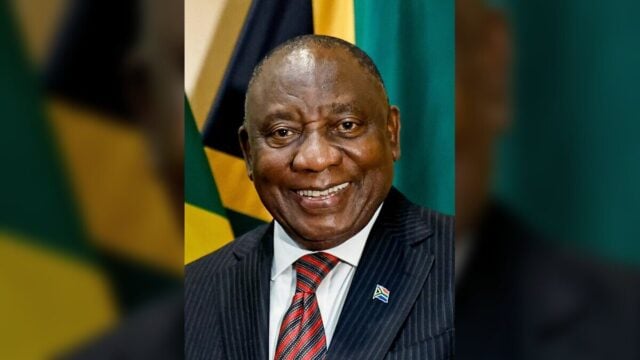
JOHANNESBURG — President Cyril Ramaphosa has ordered 60- and 90-day plans to tackle stalled gender-based violence and femicide cases, forensic backlogs and unsafe public spaces after women’s bodies were found in Ekurhuleni. The latest promises land under heavy pressure to show results, not just another round of announcements.
The stakes are immediate. Women in South Africa are still being killed, and each new case feeds the public anger that has built around the country’s GBVF crisis. Free SA says 11 women’s bodies have been found in Ekurhuleni since July.
Pressure to show action
Ramaphosa addressed the nation on Tuesday night and set out a package of measures aimed at speeding up the state’s response to gender-based violence and femicide. One of the central steps is a national case-recovery process covering unresolved murders, attempted murders, rapes and serious sexual offences involving women and children.
He also ordered municipal safety audits to deal with basic hazards that critics say have been left to fester for years. Broken streetlights, overgrown public spaces and other risks are now part of the government’s plan.
Tiny fixes. Big consequences.
Critics want timelines with teeth
Civil society groups and political parties have heard similar pledges before, and they are not willing to treat this latest package as a breakthrough on its own. Amnesty International South Africa said the timelines announced by Ramaphosa will matter only if they lead to action and penalties when institutions fail.
Shenilla Mohamed, executive director of Amnesty International South Africa, said the president’s four measures came seven years after women took to the streets demanding action on the crisis. She argued that the audits should not stay behind closed doors.
“The audits ordered by the president must be made public. Municipalities cannot be allowed to ignore their obligations to make public spaces safer for women, and there must be consequences where they fail to do so,” Mohamed said.
Why this matters beyond South Africa
The debate in South Africa echoes a wider global problem: governments often announce special plans after high-profile violence, but communities judge them by whether streets get safer, cases move faster and institutions start answering for missed warnings. Here, activists say the risk is exhaustion — not just among campaigners, but among families and communities that keep watching the same cycle repeat.
Women For Change operations manager Merlize Jogiat said government promises have become draining for activists who keep hearing the same commitments while women continue to die. She said the repeated speeches and unanswered questions are wearing people down.
That is why the next few weeks matter. The case-recovery process, the municipal audits and the push to clear forensic and court delays will all be measured against one blunt standard: whether they change the experience of women on the ground. For now, the country is still counting the dead — 11 bodies in Ekurhuleni since July.
Source: iol.co.za