SpaceX Launches Google AI Chips Into Orbit on Falcon 9
SpaceX launched Google's proprietary Tensor Processing Units into orbit aboard a Planet Labs satellite on October 1, 2026. The mission marks the first in-space…
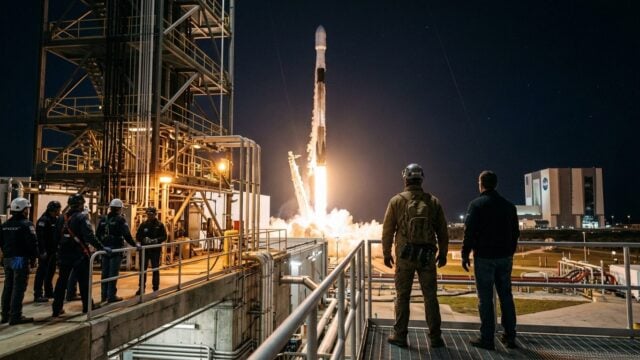
On October 1, 2026, a SpaceX Falcon 9 rocket carried Google AI hardware into orbit to begin testing whether the vacuum of space can host the next generation of data centers. The launch took place during the Transporter-18 rideshare mission from Vandenberg Space Force Base in California, with liftoff occurring after the launch window opened at 11:15 a.m. PT. All payloads, including the satellite housing the Google chips, were successfully deployed by 1 p.m. local time.
The mission serves as the initial in-orbit trial for Project Suncatcher. First revealed by Google in November 2025, this initiative represents the tech giant's effort to develop reliable, solar-powered AI computing infrastructure in space. By moving computing workloads to low Earth orbit, tech companies hope to tap into virtually unlimited solar energy while bypassing the growing public opposition and land-use conflicts associated with building power-hungry data centers on Earth.
Testing Hardware in the Space Environment
The prototype satellite, built by Planet Labs, is roughly the size of a refrigerator. It carries four of Google's custom Tensor Processing Units (TPUs), which are the same specialized chips the company uses to run its machine learning models in terrestrial data centers. To test their orbital capabilities, the TPUs will run a version of Google's open-weight Gemma AI model to answer simple queries.
Thermal and physical limitations will restrict these test runs to just 15 minutes at a time. The primary goal is to observe how the silicon handles the jarring physical forces of a rocket launch, alongside the radiation and thermal extremes of space.
"Our team has confirmed contact with the satellite and it is operating as expected," wrote Travis Beals, Google's senior director of Project Suncatcher, in a blog post. He described the launch as the first step in a long-term research effort exploring the scalability of machine learning infrastructure in orbit. Beals noted that the current mission is focused on identifying failure points to inform future designs.
The Growing Demand for AI Infrastructure
Google's push toward orbital computing comes amid an unprecedented surge in capital expenditure on Earth. During Google's annual developer summit in May, CEO Sundar Pichai stated that demand for AI services continues to exceed supply. Pichai projected the company's capital expenditures for the year would reach between $180 billion and $190 billion—more than a sixfold increase compared to 2022 spending—driven by the need to construct Earth-bound computing infrastructure and develop custom silicon.
However, building these massive facilities on the ground has drawn criticism from local communities over water consumption and strain on regional power grids. Space offers an alternative with constant solar exposure, though the environment presents severe engineering challenges. Beyond managing intense radiation and heat dissipation without air cooling, orbital data centers must navigate the growing risk of space debris and satellite collisions.
The launch also highlights the deep business ties between the two tech giants involved. Alphabet, Google's parent company, maintains a significant investment in SpaceX, which went public in June 2026. Alphabet's stake in the rocket manufacturer is currently valued at more than $82 billion. Google plans to continue its orbital hardware research with two additional satellite launches scheduled for 2027.
Source: cnbc.com