India Sugar Prices: Consumers Bear Cost as Crop Struggles
Weak monsoon rains have strained sugarcane crops in India, pushing up prices for consumers and businesses. The government has lifted tariffs to allow up to 1 million tonnes of duty-free imports, while farmers and shop owners describe the pressure from higher costs.

Consumers bear cost India’s sugar squeeze as prices rose more than 30 per cent in August compared with July, while weak monsoon rains strained sugarcane crops, India’s Department of Consumer Affairs said.
The price pressure is reaching small businesses. Sugarcane juice seller Dasappa now charges 25 rupees for a cup, up from about 10 rupees last year.
Dry weather strains crops
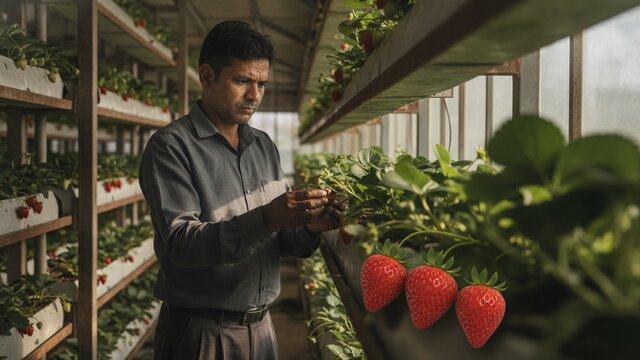
In Mysuru, farmer Phailwan Venkatesh said his cane stalks were thinner and more brittle than they should be. “There is hardly anything in this sugarcane crop,” he said. “It's all dry.”
Rainfall was low in July and August as a record-setting El Niño weakened the monsoon, the report said. The weather disruption has added to pressure on farmers already paying more for fertilizer because of global conflicts.
Bhargabi Bharadwaj, a food-system risks expert at Chatham House, said India’s sugar production had not collapsed, but uncertainty was adding to wider strain. “The immediate impact of a climate disruption is often just a price shock rather than a physical shortage, but rising prices can quickly threaten food affordability and economic stability,” she said.
Global sugar prices rose 6.6 per cent in October, marking a fourth consecutive monthly increase and reaching their highest level since April last year, according to figures from the United Nations Food and Agriculture Organization.
Government opens import route
India’s federal government lifted sugar tariffs to allow up to 1 million tonnes of imports duty-free until the end of the year. The measure is intended to boost supply and reduce prices ahead of the Hindu festival season.
The government has also barred sugar from being used to produce ethanol. In Karnataka, the state government is providing about $50 million in support to farmers and an additional $1.70 for every tonne of sugarcane delivered to mills.
Kurubar Shanta Kumar, president of the Karnataka State Sugarcane Growers Association, said the crop’s yield had fallen by 9 million tonnes compared with last year. “We are completely dependent on Mother Nature,” he said.
Higher costs reach shops
Dasappa said sugarcane now costs him 80 rupees per kilogram, compared with 40 rupees previously. He sometimes lowers the cup price to 20 rupees when customers bargain.
Sweet shop owner Thejaswini Suhas said she was holding prices down to avoid losing customers. “If this situation continues, we won't have any other option; we will have to increase the price,” she said.
India’s sugar industry was already recovering from excess rain in 2025, which brought pests and crop diseases. Bajaj Hindusthan Sugar, one of the country’s biggest sugar factories, reported an almost 11 per cent fall in production last financial year.
Forecasters expect this year’s El Niño to have a long tail and possibly peak in December.