Trump Revives Election Fraud Claims After Democrats Sweep Midterms
US President Donald Trump revived unsupported allegations of election fraud on November 9, reversing his earlier acceptance of the midterm results. Democrats won both chambers of Congress, and Senate leader Chuck Schumer accused Trump of "election denialism" as officials reported largely trouble-free voting.
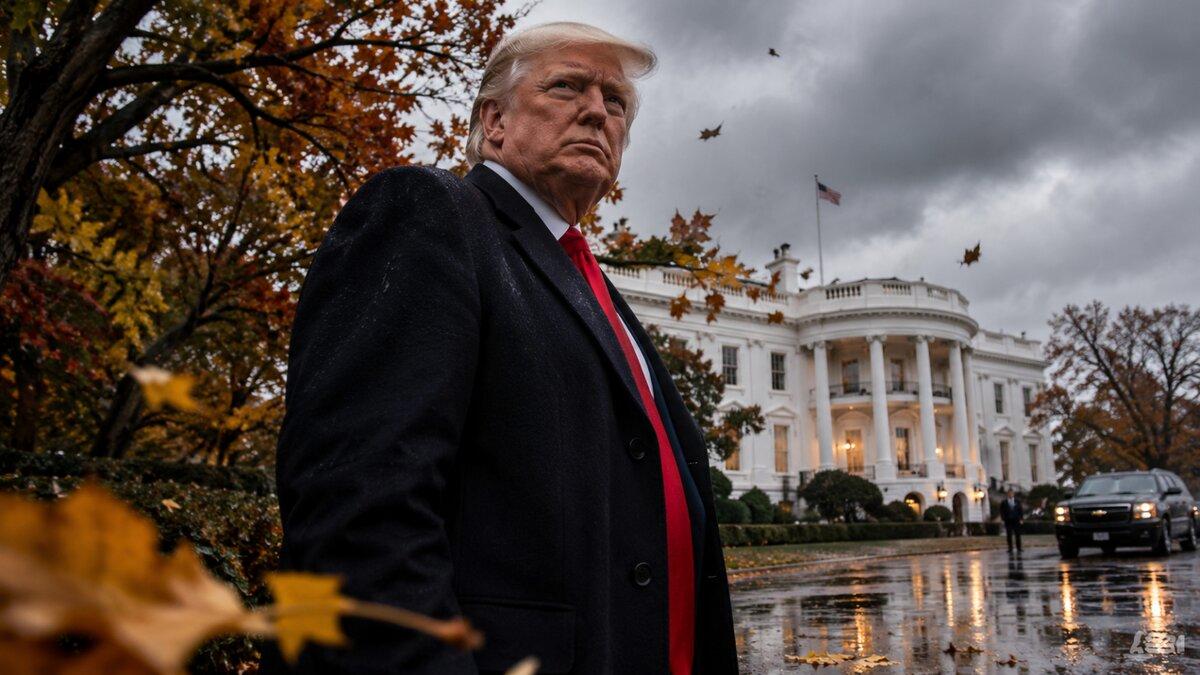
US President Donald Trump revived unsupported allegations of election fraud on Monday, November 9, six days after Democrats swept both chambers of Congress in the midterm elections. The reversal came after he had initially said he would accept the results.
Writing on his Truth Social platform, Trump asked: "Does anybody really believe that this 'Election' was honest. How could the Polls be so wrong???" He offered no evidence of wrongdoing.
He added that some early voting "dumps" were "so large that it was impossible to win, no matter how many people went to vote." He also wrote: "It's all about the machines, which are far more important than the voter!"
Trump did not identify which voting machines he questioned. He gave no specifics on ballots he said were improperly counted.
From conciliatory to combative
Democrats won their biggest House majority in nearly two decades and took control of the Senate. On election night, Trump said: "I am absolutely willing to accept those results." He added that he looked forward to working with Democrats.
He later praised their campaign. "I think the Democrats did a good job. I really do," he said.
The tone shifted on Thursday. Trump demanded that votes cast for two minor candidates in Alaska's still-undecided Senate race be transferred to the trailing Republican incumbent, Dan Sullivan. "There is no other fair solution!" he said, although Alaska's election laws provide for ranked-choice voting.
Monday's claims went further, casting doubt on the legitimacy of the elections nationwide. They echoed his repeated and unfounded claims that Democrat Joe Biden stole the 2020 presidential election.
That refusal to accept defeat led to dozens of unsuccessful legal challenges. It culminated in the January 6, 2021 attack on the US Capitol by his supporters.
Democratic response
Senate Democratic leader Chuck Schumer reacted sharply. "Donald Trump's pathetic return to election denialism was inevitable," he said.
"He can whine all he wants, but nothing will stop this inescapable truth: For the last two years of his presidency, Trump will face the largest Democratic congressional majorities in decades, all because he has been an unprecedented failure," Schumer said.
Pre-election polls had generally pointed toward Democratic gains, though they underestimated the scale of the party's victories. Election officials across the country reported largely trouble-free voting.
Trump had previously blamed the defeat on his own absence from the ballot, even though he urged supporters during the campaign to vote as though he were running. He also acknowledged that the deeply unpopular war with Iran, which sent fuel prices soaring, contributed to the losses.
The Democratic majorities will give the party extensive powers to investigate his administration and obstruct his legislative agenda when the new Congress takes office in January.