Oxford Professor Urges Women to Attend Mammograms After Her Own Diagnosis at 52
Prof Linda Flores of the University of Oxford was diagnosed with breast cancer at 52 after a mammogram, despite feeling healthy. She and other patients urge women not to skip screening, and a survey found more than one in nine have avoided checks.
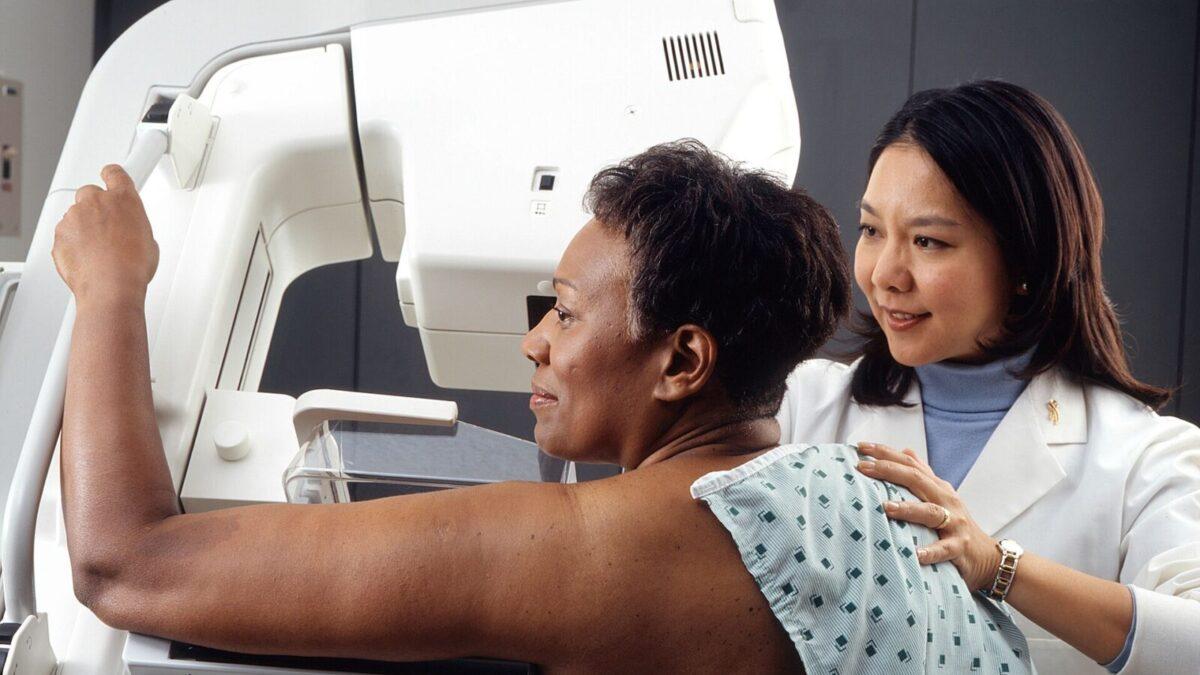
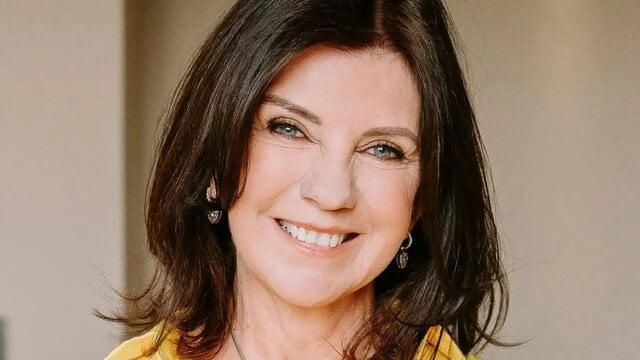
Prof Linda Flores, from the University of Oxford, said women should not let instinct or worry decide whether they attend a mammogram, after her own breast cancer was found by one in 2024 at the age of 52. Her advice to women weighing up screening: "Fear won't protect you."
Flores has no family history of cancer. She says she felt "amazing" before the scan, so the diagnosis came as a shock. The checklist below sets out what she and others who spoke about their cases say readers should verify.
1. Do not wait for a warning feeling
Many women expect to sense that something is wrong. Flores did not. "You hear women say, 'I knew something was wrong, I had a bad feeling.' I had no such feeling. I felt amazing," she said.
She added that if she had followed her instincts, "then I might not be sitting in this chair today." Good health is not proof of being cancer-free.
2. Know what self-checks can miss
Flores found her 2cm (0.8in) tumour only through a mammogram. It sat behind her nipple, which made it hard to feel through self-checks alone.
Enda Kenneally, 65, tells a similar story. Her 2.5cm (1in) lump was buried deep in her breast, and she said she had done all the checks women mostly do. It was found at stage one after a routine mammogram, and she was diagnosed in March.
"If I hadn't gone to that mammogram, the cancer that was found would have continued to grow," she said.
3. Check when you are invited
The NHS, the UK's public health service, currently invites women for routine screening every three years from the age of 50 up to 71. Women can also request a mammogram at any time.
If you are in that age range, check that your invitation has arrived and that you have booked it.
4. Do not let pain or anxiety decide
A recent survey from the private health provider Nuffield Health found that more than one in nine women have avoided having a breast lump or abnormality checked. Pain from the mammogram and anxiety were among the reasons women gave.
Both are real concerns. They are also the reasons the survey linked to delays in being checked.
5. Look at the odds
Lorna Goodwin, a senior radiographer at Nuffield's The Manor Hospital in Oxford, said mammograms pick up concerns in only four out of every 100 women screened.
"Those ones that you pick up, those four ladies, are the important ones and that's why it's so important to do the 100," she said. "A mammogram can save your life – don't put it off."
6. Act on a change that persists
In the United States, surgeon Dr Mai Gandhi says the best defense is listening to your body. "The key point is change," she said. "Any changes in the breast that is new, that is persistent and that is getting worse should get evaluated."
Cassaundra Kohr, a patient of Gandhi, felt a lump after several nights of pain in her left breast. She was 30, below the age for a recommended screening mammogram. Her doctors found two tumors about the size of a pea and diagnosed stage one breast cancer.
7. Do not assume youth protects you
Gandhi says more younger women are being diagnosed, in their 40s, 30s and even 20s. No one can say for sure why, although theories include women having fewer children, increased alcohol consumption and obesity rates.
"I want younger women to be aware that being young doesn't mean being immune to breast cancer," she said. "And at the same time, I don't want them to be afraid of breast cancer. I want them to be aware."
8. Learn your own risk
Gandhi encourages all women to learn their breast cancer risk, to see whether they should start mammogram screening before the recommended age of 40. The age in her guidance is specific to the US.
Kohr had a left breast mastectomy the day before Thanksgiving in 2025, followed by reconstruction a few weeks later. Her message to women of any age: "Even if you think it's small, trust your gut."
This article is for general information only and is not a substitute for medical advice. Anyone with symptoms or concerns should see a doctor.