Husband died with dementia at 51: widow recalls early signs
A woman whose husband died with dementia at 51 has described how small changes, from lost words to a missing child, went unexplained for years. Her husband, Clive, was diagnosed with frontotemporal dementia at 46 in the mid-1990s and told there was no cure.
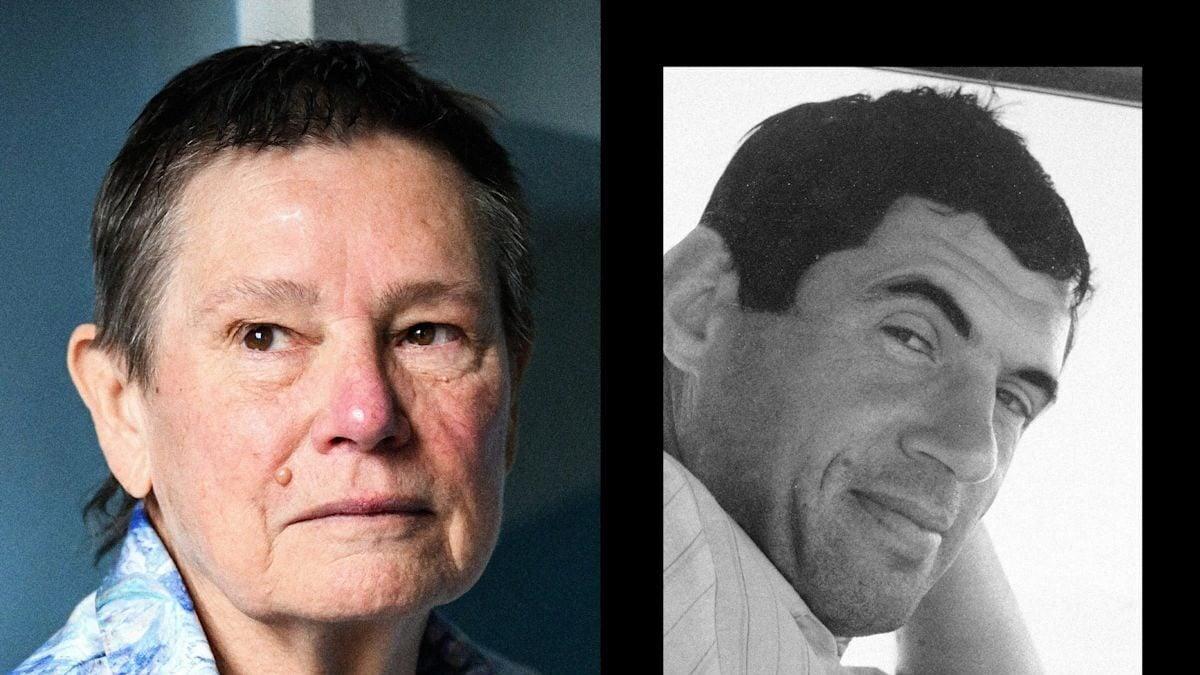
A woman whose husband died with dementia at 51 has described how the first warning signs, which began in his mid-40s, were easy to miss. She says she has since devoted her life to finding a cure.
Her husband, Clive, was diagnosed with young-onset dementia at 46. That was in the mid-1990s, she recalls.
A missing child, then a diagnosis
The first signs were small. Clive stopped enjoying Scrabble, a game the couple had always played together. Colleagues noticed he struggled with spelling and reading.
One day she came home from work to find a policeman at the door with their three-year-old son, Alan. Clive had taken both children to the park but returned with only their four-year-old daughter, Rachel. Two hours had passed.
Alan had crossed a busy road to reach his playschool, where police collected him. Clive's reaction was flat. "He turned up, he's fine, what are you worrying about?" he said.
Work problems followed. His bosses said he refused to accept direction, could not write reports and struggled even to turn on a computer. He accepted redundancy when the Army was downsizing.
When she urged him to see a doctor, the normally calm Clive snapped: "Well, I've been to the doctor and he says I'm just getting old." He was in his mid-40s.
No follow-up and no cure
At 46, Clive went back to the doctor. A neurologist phoned the couple with a diagnosis of "pre-senile dementia", a term no longer used. No follow-up appointment was offered.
They sought a second opinion at the National Hospital for Neurology and Neurosurgery in London. Doctors there diagnosed frontotemporal dementia. The couple were told there was no cure and to get on with their lives.
She says she then began to grasp how disabled Clive had become. He had once run a sub-three-hour marathon. Now he could not follow conversation or read, and lacked the sense not to cross the road in front of a car.
The couple met at Oxford University, where Clive taught the judo class she attended. After graduating he joined the Army as a bomb disposal officer, and she worked with computers. They moved often for his job before settling in a house just outside Oxford.
She says she had no close friends nearby to confide in. When she raised concerns, friends told her husbands are like that. She felt sharing more would betray him.