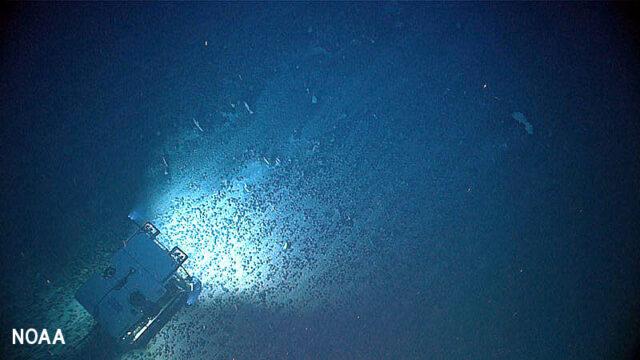
Underwater Canyons Preserved Earth’s Oldest Animals, Study Finds
Geologist Karol Faehnrich of Adelaide University and colleagues mapped South Australia's Flinders Ranges and found canyons cut under the sea about 550 million years ago. Rapid flooding filled them with sediment and preserved some of the richest fossils of Earth's earliest animals, the researchers report.
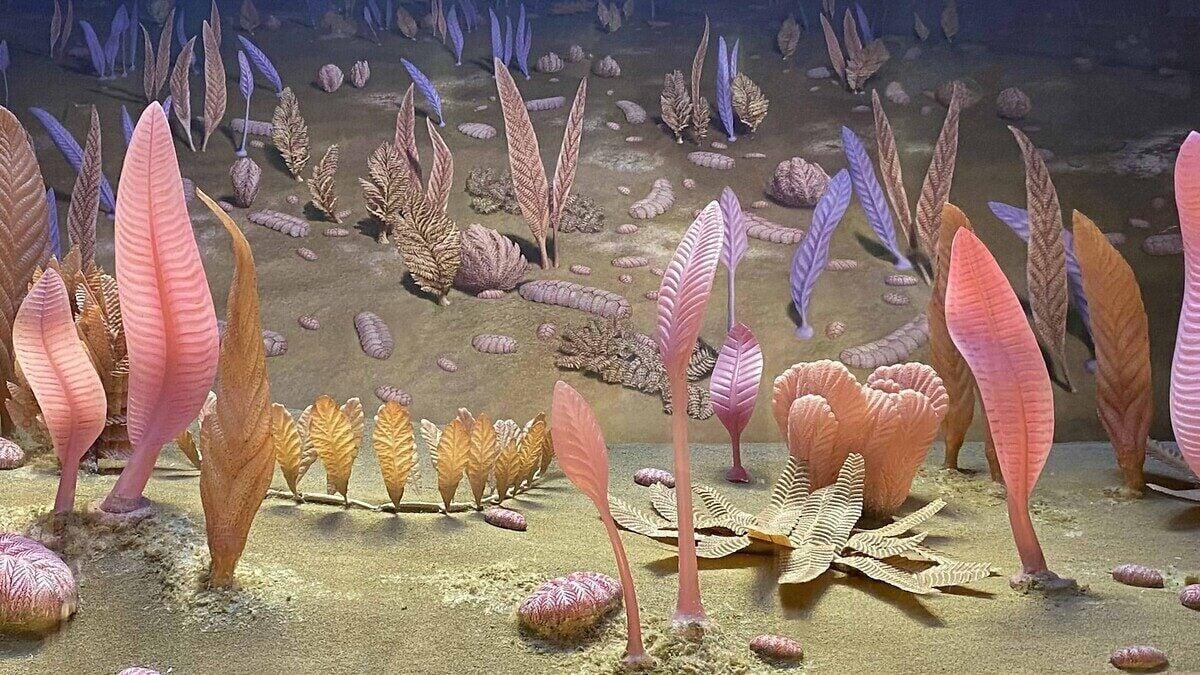
Geologist Karol Faehnrich of Adelaide University and colleagues report that ancient underwater canyons in South Australia's Flinders Ranges preserved the secrets of Earth's oldest animals, according to a new study of rocks about 550 million years old.
The canyons help explain why soft-bodied creatures that should have rotted away left fossils at all.
Why the fossils survived
Life on Earth stayed mostly tiny for the first few billion years. Then, about 600 million years ago, strange giants began to appear in the Ediacaran Period. Researchers call them the Ediacaran biota.
They were mainly soft, often oddly shaped organisms of unprecedented size and complexity. Many looked unlike anything alive today. They vanished in a mass extinction roughly 550 million years ago, just before the Cambrian explosion, when new animals spread rapidly.
Soft bodies rarely fossilize. ScienceAlert reported that the team wanted to know how the Flinders Ranges came to hold such a rich and diverse record from a period that lasted from about 635 million to 538.8 million years ago.
What the mapping showed
The researchers mapped geological features across the mountain range to reconstruct the terrain of about 550 million years ago. They found traces of colossal canyons running southeast. In places they plunged to depths of 280 meters (919 feet) and stretched more than 6 kilometers (3.7 miles) across.
The canyons seem to have formed largely through erosion under the sea, after a major fall in sea level. When the sea rose again, the land flooded and the canyons filled with sediment.
In those conditions, a layer of Rawnsley Quartzite called the Ediacara Member preserved rare clues about the region's inhabitants. Sediment deposits in the canyons point to powerful water flows that could have moved large volumes of material. Drawing on modern submarine canyons, the researchers conclude that underwater erosion is more likely to have driven this than river action alone.
"We found evidence that huge underwater canyons cut across the continental shelf before being rapidly flooded as sea levels rose again," Faehnrich said. He added that the flooding "created the conditions that allowed one of the world's richest Ediacaran fossils to be preserved."
Open questions
The study does not settle where the Ediacaran biota sit on the animal family tree. It is unclear whether they were ancestors of later animals or evolutionary dead ends. Nor is it known why they diversified so quickly and then declined.
Earlier research linked the biota to global sea-level changes, which have been cited both as a driver of evolutionary innovation and as a factor in fossil preservation. That link is speculative, and the role of sea level in the creatures' fortunes is still unknown.
Co-author Diego Garcia-Bellido, a biologist, said: "The evidence points to a combination of changing sea levels and local geological processes shaping the ancient basin."
 Take the quizWhat Kind of Holiday Spender Are You? Take the Black Friday QuizStart →
- 1Column: 4 Reasons to Eat Dark Chocolate, Dietitians Say

- 2Mavericks Surfers Race to California for Waves Near 50 Feet

- 3Meghan Markle Plans US Return to See Mother After Father’s Arrest

- 4Chrissie Swan, 52, Tears Up Over Secret Surprise While Recovering

- 5NYC Medical Examiner Has Not Determined Cause of Death of Beau Rose Jessup

 Lifestyle7 Signs Your Social Battery Is Running Low (and Why You Keep Cancelling Plans)
 Lifestyle · Food & HealthThanksgiving Food Safety: How Long Leftovers Last and the Safe Turkey Temperature
 Lifestyle7 Quiet Habits of Emotionally Intelligent People, According to Psychologists
 LifestylePeople Who Don’t Like Celebrating Their Birthday Often Share These 7 Traits