Tiny Animals Found Living in Deep-Sea Nodules Targeted for Mining
Researchers counted 4,139 animals smaller than a millimeter inside 244 Pacific nodules, a haul of life not seen in the surrounding sediment. The finding lands as a US company awaits what could be the first commercial deep-sea mining permit.
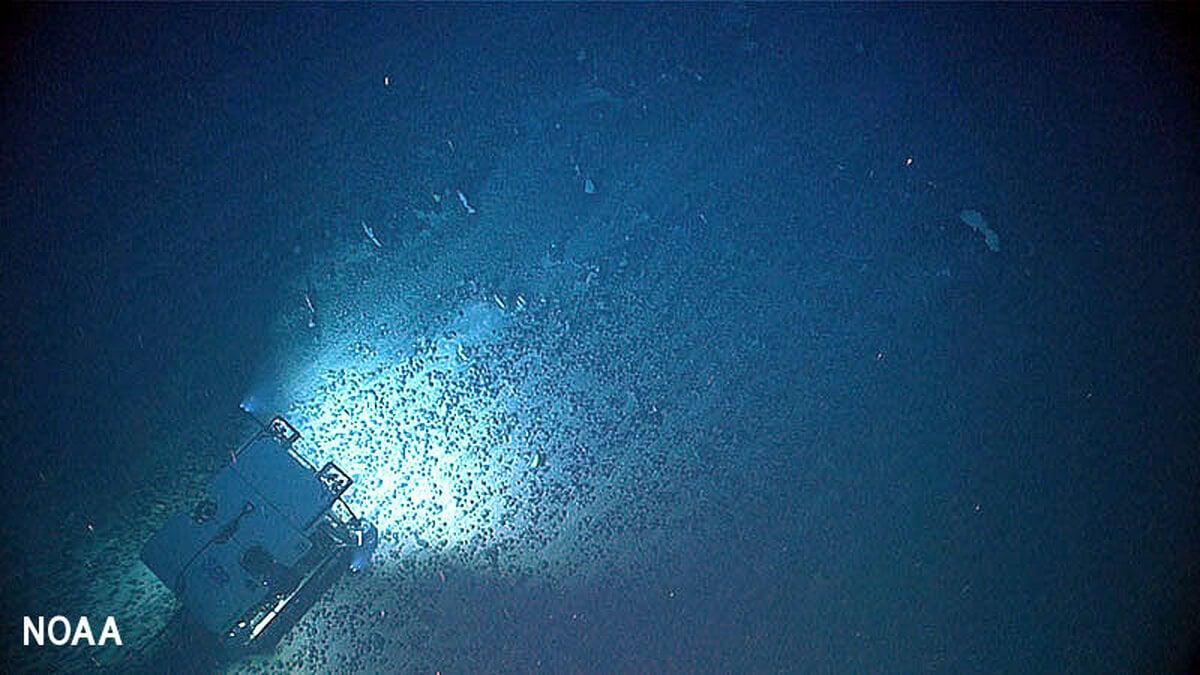
Scientists have found tiny animals living inside the metal-rich nodules that deep-sea miners want to harvest, according to a study published in Scientific Reports. The creatures, smaller than a millimeter, live in cracks and pores and are not found elsewhere on the ocean floor.
The timing matters. A US company is seeking what would be the first commercial deep-sea mining permit.
What the researchers counted
Researchers from the University of Bremen's MARUM centre and the Royal Netherlands Institute for Sea Research examined 244 polymetallic nodules from the Clarion-Clipperton Zone in the Pacific. They counted 4,139 animals, an average of 17 per nodule. One nodule held 245.
Dr Coral Diaz-Recio Lorenzo said, "The crevices in the polymetallic nodules function as small shelters and provide a home to animals that we do not encounter in the soft sediment of the seafloor."
The nodules sit 4,000 to 6,000 meters down. They grow only a few millimeters every million years. They contain nickel, cobalt and copper.
Warning on biodiversity loss
Professor Sabine Gollner, part of the international research team, has said commercial mining could cause irreversible loss of unique, undescribed biodiversity. Whether that loss would lead to global extinctions is unclear. Lead author Dr Tanja Stratmann is on a new expedition to the zone to find out.
The researchers say protected areas must account for microscopic life as well as larger animals. They argue that future research and environmental impact assessments should take the findings into account.
US permit under review
The US subsidiary of the Metals Company (TMC) has applied for an exploration licence and a commercial recovery permit. The National Oceanic and Atmospheric Administration (NOAA) found the application in full compliance with the information requirements.
TMC expects a permit before the end of the first quarter of 2027. That is the company's own forecast, and NOAA must still finalize an environmental impact statement.
The route bypasses the International Seabed Authority (ISA), the UN-backed regulator that has been slow to set rules for commercial recovery. The ISA delayed those rules again in July. Washington has backed the move, with a new NOAA rule following an executive order from US President Donald Trump, aimed at countering China's dominance in critical metals.
Other governments split
Japan has begun exploring for rare earth muds. India holds the largest ISA-assigned exploration zone, and China is expanding its Pacific exploration. Norway has ruled out Arctic licences until at least the end of 2029.
Forty-five countries have called for a moratorium or precautionary pause.
 Take the quizWhat Kind of Holiday Spender Are You? Take the Black Friday QuizStart →
- 1Column: 4 Reasons to Eat Dark Chocolate, Dietitians Say

- 2Mavericks Surfers Race to California for Waves Near 50 Feet

- 3Chrissie Swan, 52, Tears Up Over Secret Surprise While Recovering

- 4Meghan Markle Plans US Return to See Mother After Father’s Arrest

- 5NYC Medical Examiner Has Not Determined Cause of Death of Beau Rose Jessup

 Lifestyle7 Signs Your Social Battery Is Running Low (and Why You Keep Cancelling Plans)
 Lifestyle · Food & HealthThanksgiving Food Safety: How Long Leftovers Last and the Safe Turkey Temperature
 Lifestyle7 Quiet Habits of Emotionally Intelligent People, According to Psychologists
 LifestylePeople Who Don’t Like Celebrating Their Birthday Often Share These 7 Traits