SpaceX Starship Flight 15 Launches, Skips Booster Catch
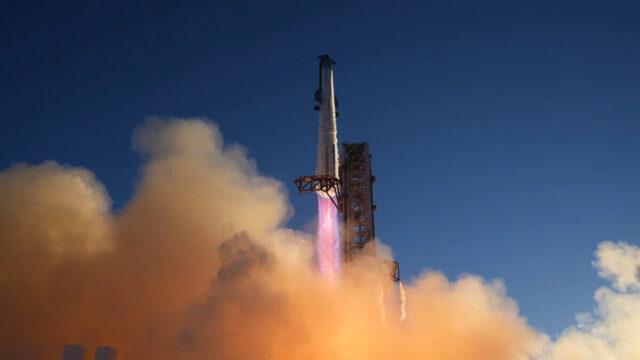
SpaceX launched Starship on its 15th flight from South Texas on November 13, but skipped the planned catch of the Super Heavy booster. The Ship upper stage is now set for a first-ever tower catch attempt on Saturday, November 14, after a reentry over Mexico and Texas.
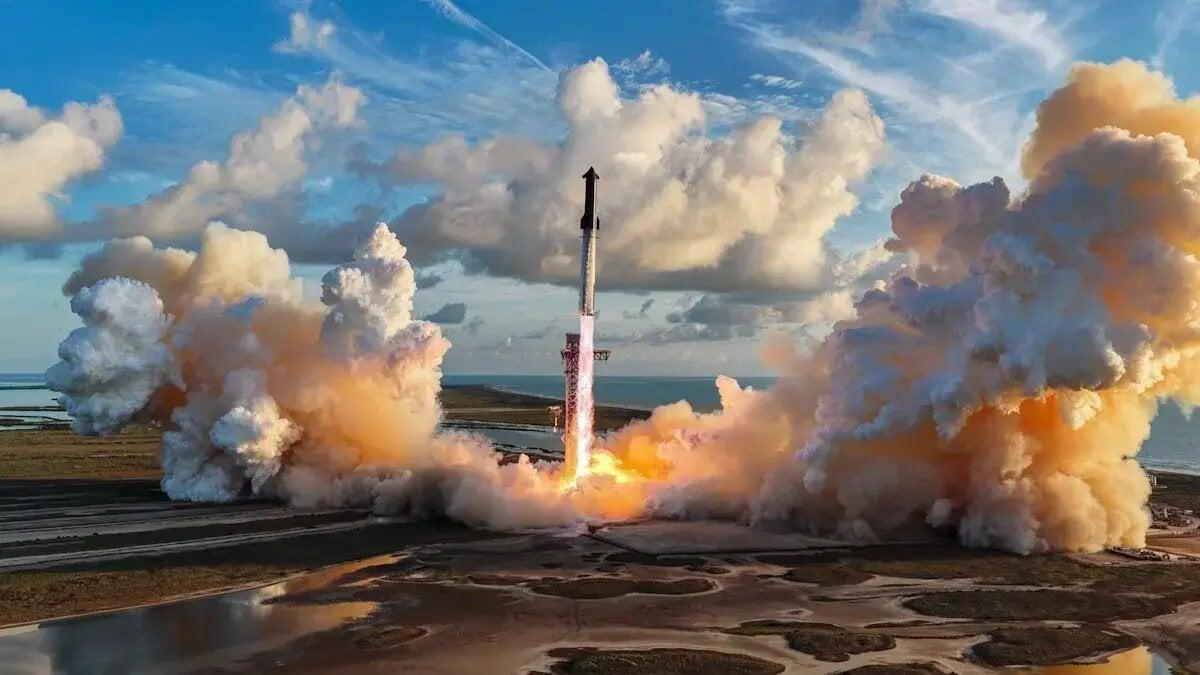
SpaceX launched Starship Flight 15 from its Starbase site in South Texas on Friday, November 13, but skipped the planned catch of the Super Heavy first-stage booster. The company still aims to catch the Ship upper stage at the launch tower on Saturday, November 14.
The launch window opened at 5:45 p.m. EST and ran 75 minutes. SpaceX had planned to catch a next-generation Super Heavy "V3" booster about 6.5 minutes after liftoff. Later reports said the booster crashed into the Gulf instead.
What comes next for the Ship
If the Ship gets the go-ahead for orbital insertion, it deploys 26 Starlink V3 satellites into low Earth orbit. That starts about 35 minutes after launch. Reports after liftoff said the satellites were deployed and that the Ship's heat shield looked good.
Three of those V3 satellites are meant to inspect the Ship's heat shield while it is in orbit. About 21 hours later, SpaceX will try to bring the vehicle home, provided what it calls "internally developed, and FAA-approved, conditions" are met.
The return would be the first Ship reentry over inhabited areas. The vehicle is set to fly over sparsely populated parts of northern Mexico and southern Texas. Earlier missions ended with splashdowns in the open ocean.
Back at Starbase, the Ship will make a bellyflop maneuver on its descent toward Pad 2. It then flips upright so the tower's mechanical "chopstick" arms can grab it.
Why the catch matters
SpaceX has caught three Super Heavy boosters so far and reused two of them. Catching the Ship is the unproven half. The vehicle must survive reentry heat from orbital speeds and steer precisely back to the pad.
SpaceX wrote in its mission description that success "will mark the first full recovery of an orbital launch system." It calls catching both stages the "Holy Grail of rocketry."
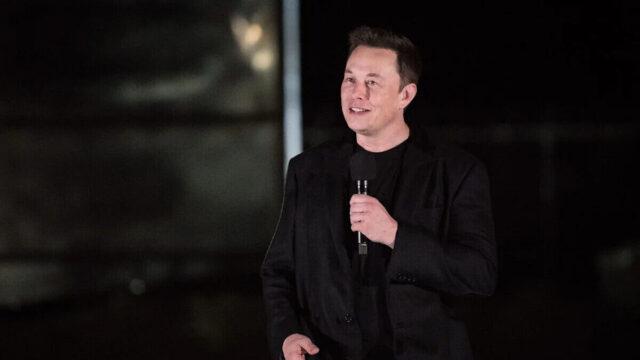
Elon Musk, SpaceX's chief executive, said on X on November 6 that the attempt would be "the critical breakthrough needed to make life multiplanetary." At the time he was describing a plan to catch both vehicles on this flight. The booster half did not happen.
A successful Ship catch would let SpaceX begin refurbishing the vehicle for reflight. Musk said on a company earnings call in August that SpaceX would aim to refly the Super Heavy and Ship early next year.
SpaceX is targeting roughly 10,000 Starship launches per year by 2030, which works out to more than one per hour.
 Take the quizWhat Kind of Holiday Spender Are You? Take the Black Friday QuizStart →
- 1Column: 4 Reasons to Eat Dark Chocolate, Dietitians Say
- 2Mavericks Surfers Race to California for Waves Near 50 Feet

- 3Chrissie Swan, 52, Tears Up Over Secret Surprise While Recovering

- 4Meghan Markle Plans US Return to See Mother After Father’s Arrest

- 5Aspyn Ovard Reveals Daughter Has Terminal Cancer on Mormon Wives

 Lifestyle · Food & HealthThanksgiving Food Safety: How Long Leftovers Last and the Safe Turkey Temperature
 Lifestyle7 Quiet Habits of Emotionally Intelligent People, According to Psychologists
 LifestylePeople Who Don’t Like Celebrating Their Birthday Often Share These 7 Traits
 Lifestyle · Food & HealthVitamin D in Winter: Do You Need a Supplement, and How Much?