Zimbabwe’s HIV Gains Face Test as Youth Infections Hit 4,400
New HIV infections among Zimbabweans aged 15 to 24 fell from an estimated 27,000 in 2010 to 4,400 in 2023, according to UNAIDS. A Harare nurse and a family physician now warn that complacency among young people could put that progress at risk.
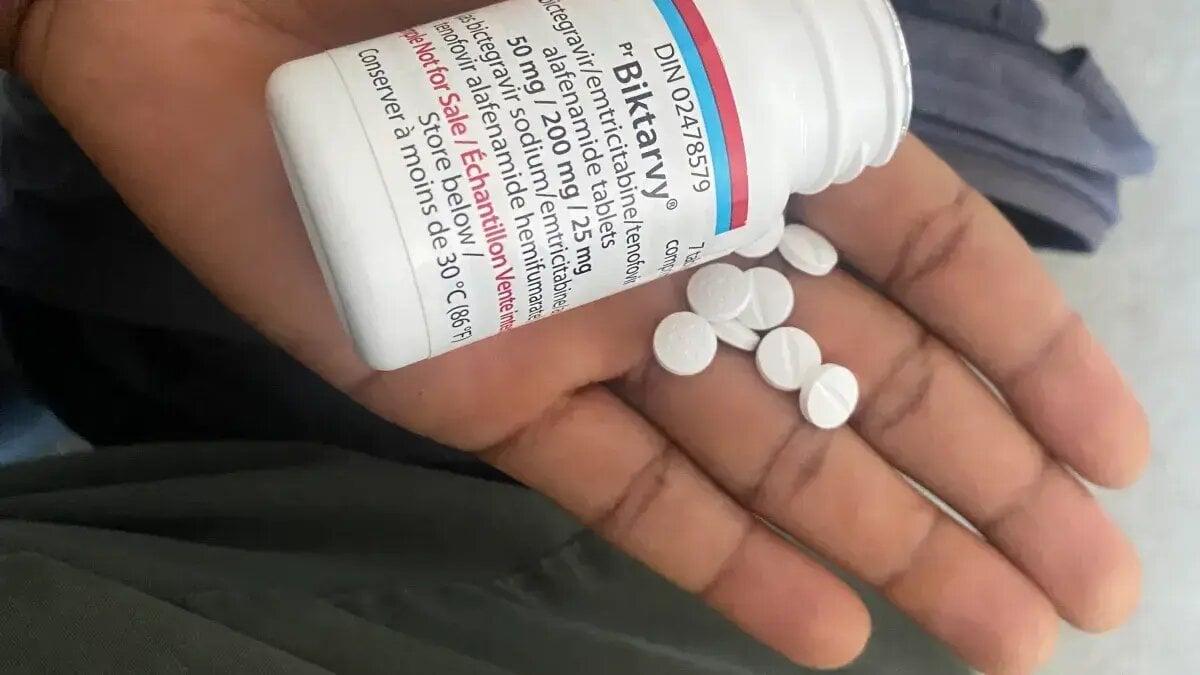
Zimbabwe’s HIV gains face a test among young people, even as new infections among 15- to 24-year-olds fell from an estimated 27,000 in 2010 to 4,400 in 2023, according to UNAIDS, the United Nations agency on HIV. Health workers in Harare say complacency could now put that progress at risk.
Annual new HIV infections across all ages dropped from 79,000 in 2010 to 15,000 in 2023, UNAIDS estimates.
Shaun Moyo, 48, began nursing at Parirenyatwa Hospital in Harare in the late 1990s. She recalls wards full of patients and funerals that had become a familiar part of everyday life. She now works locum shifts at two major public hospitals in the city.
Antiretroviral treatment has transformed life for people with HIV. Condoms, pre-exposure prophylaxis (PrEP), post-exposure prophylaxis (PEP) and other options give young people more ways to protect themselves. Moyo worries some do not grasp the risks.
“Seeing today’s youth who are blessed with condoms, ARVs and PrEP meds makes me furious,” she said. “In the 90s every weekend was a trek to cemeteries, not weddings.”
She believes effective treatment has changed how some young people see the virus. Moyo recalled a Facebook exchange involving her son and his friends, in which one comment suggested that “getting blood pressure is worse than HIV”.
Her observations are personal and are not scientific evidence of shifting attitudes. They point to a public health task: explaining why prevention still matters when treatment has made HIV a manageable chronic condition for many.
Dr Misheck Ruwende, a Zimbabwean family physician and advocate for reducing HIV stigma, shares the concern. In a public address on Twitter in September, he warned that the country risked losing some of its gains.
“The sad part is that this is coming at a time we have the best options to prevent HIV, from rapid testing, PrEP, condoms, PEP to injectables,” Ruwende said. “It wasn’t like that in the late 90s to early 2000s. It looks like we are now reversing all this huge success we had notched in recent times,” he added.
The challenge is to hold those gains among young people dealing with relationships, economic pressure and uneven access to youth-friendly health services.
The region carries a heavy burden. UNAIDS estimated that 210,000 adolescent girls and young women aged 15 to 24 acquired HIV worldwide in 2023. About 160,000 of those infections were in sub-Saharan Africa, and nearly 60 percent of the global total occurred in Eastern and Southern Africa.
In neighboring South Africa, UNAIDS estimated that 7.7 million people were living with HIV in 2023. In Gauteng province, 167,109 males attended public health facilities between April and December 2023, and 67,400 were treated for Male Urethritis Syndrome, which is associated with sexually transmitted infections.
 Take the quizWhat Kind of Holiday Spender Are You? Take the Black Friday QuizStart →
- 1Column: 4 Reasons to Eat Dark Chocolate, Dietitians Say

- 2Mavericks Surfers Race to California for Waves Near 50 Feet

- 3Chrissie Swan, 52, Tears Up Over Secret Surprise While Recovering

- 4Meghan Markle Plans US Return to See Mother After Father’s Arrest

- 5Aspyn Ovard Reveals Daughter Has Terminal Cancer on Mormon Wives

 Lifestyle · Food & HealthThanksgiving Food Safety: How Long Leftovers Last and the Safe Turkey Temperature
 Lifestyle7 Quiet Habits of Emotionally Intelligent People, According to Psychologists
 LifestylePeople Who Don’t Like Celebrating Their Birthday Often Share These 7 Traits
 Lifestyle · Food & HealthVitamin D in Winter: Do You Need a Supplement, and How Much?