Nvidia Loses A$2.9 Trillion as Cracks Widen After Huang Exit
Nvidia has lost nearly US$2 trillion in market value since its October peak, and copper prices are down more than 10 per cent from September's record. Investors are weighing Jensen Huang's resignation, a Democratic midterm sweep and the company's financing of AI demand.
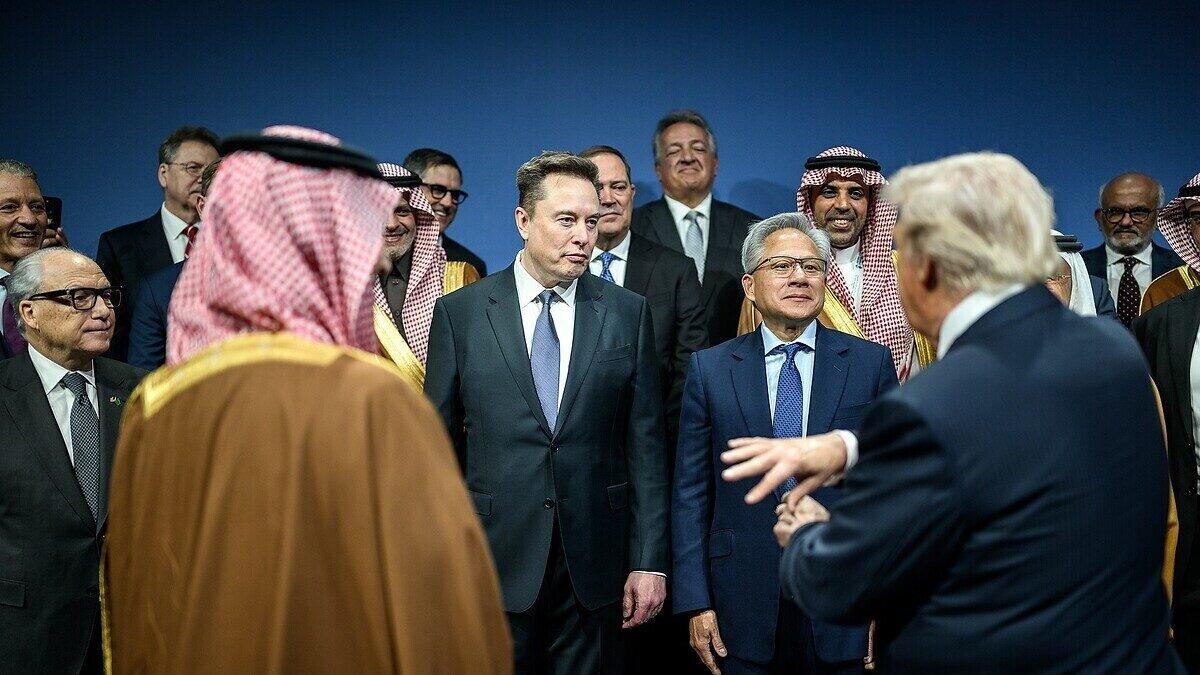
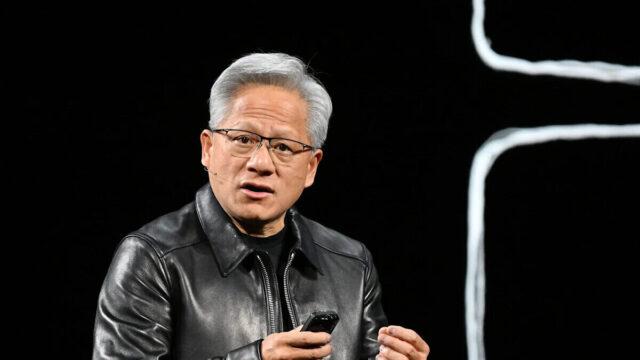
Nvidia has lost nearly US$2 trillion (about $2.9 trillion in Australian dollars) in market value since its October peak, with cracks widening across the artificial intelligence trade after chief executive Jensen Huang resigned last week. The loss equals about a third of the chipmaker's market capitalization.
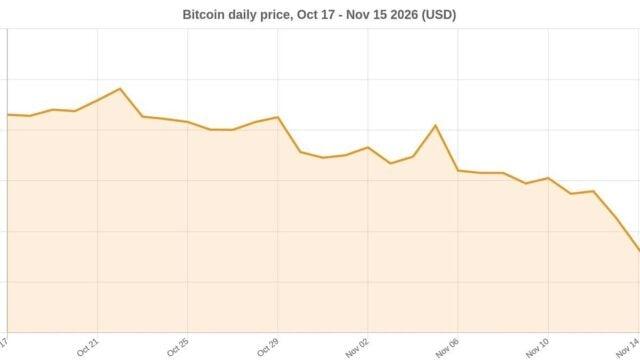
Copper, often read as a gauge of global economic health, tells a similar story. It has fallen 7.3 per cent since late October and is down more than 10 per cent from its September record.
Copper tracks the AI story
Much of copper's rally to record highs rested on the enormous sums being spent on AI and the infrastructure to host it. The first leg down followed Donald Trump's tariffs and the deferral of a tariff on US copper imports that bulls had expected.
The rest of the decline appears tied to shifting views on AI's future, and on Nvidia in particular. Copper dropped 2.84 per cent on October 28, when the New York Times first reported Huang's relationship with a suspected Chinese spy, Alice Huang. The two are not related.
It fell another 2.8 per cent on November 3, after Democrats won a "blue tsunami" in the midterms on campaigns that made opposition to the data centre buildout a central issue. Copper slipped 1.7 per cent on November 8, when Huang admitted the affair, and 1.8 per cent last week when he resigned.
Concerns over Nvidia's financing model
Investors have two worries. One is that Huang is irreplaceable, and he has no obvious successor. The other is that the model he built, in which Nvidia has effectively funded demand for its own chips, could unravel without him.
Chief financial officer Colette Kress is now acting as chief executive. She is known to be sceptical of how Nvidia has supplied neoclouds and other data centre developers with chips, finance and guarantees they could not get elsewhere.
Nvidia carries purchasing commitments, financial and contractual obligations, and contingent guarantees of more than US$530 billion. Of that, US$279 billion is purchasing commitments to its own suppliers. The remainder supports smaller AI labs and data centre construction.
The central question is whether new leadership might pull support from the weaker, non-hyperscaler players. The Democratic gains at federal and state level are also likely to slow new data centre rollouts. Only projects already built or under construction look safe.
One outcome looks certain. The US Congress is expected to tighten restrictions on sales of America's most advanced chips, which include Nvidia's Blackwell line.
 Take the quizWhat Kind of Holiday Spender Are You? Take the Black Friday QuizStart →
- 1I’m A Celebrity 2026 Line-Up: Rooney Leads 11 Stars Into Jungle

- 2Mavericks Surfers Race to California for Waves Near 50 Feet

- 3NYC Medical Examiner Has Not Determined Cause of Death of Beau Rose Jessup

- 4Mountaineer Finds Ice Age Cave Bear Graveyard in the Dolomites

- 5Rugby League World Cup Final 2026: Kick-Off Times and How to Watch Kangaroos v New Zealand

 Lifestyle7 Signs Your Social Battery Is Running Low (and Why You Keep Cancelling Plans)
 Lifestyle · Food & HealthThanksgiving Food Safety: How Long Leftovers Last and the Safe Turkey Temperature
 Lifestyle7 Quiet Habits of Emotionally Intelligent People, According to Psychologists
 LifestylePeople Who Don’t Like Celebrating Their Birthday Often Share These 7 Traits