Stem Cell Breakthrough May Make Bones Stronger, Cut Fractures 94%
A first-in-human trial in Spain found that one infusion of engineered stem cells cut fragility fractures by 94 percent over two years in 10 women with advanced osteoporosis. Experts call the results remarkable but say the small study cannot yet prove bone is being rebuilt.
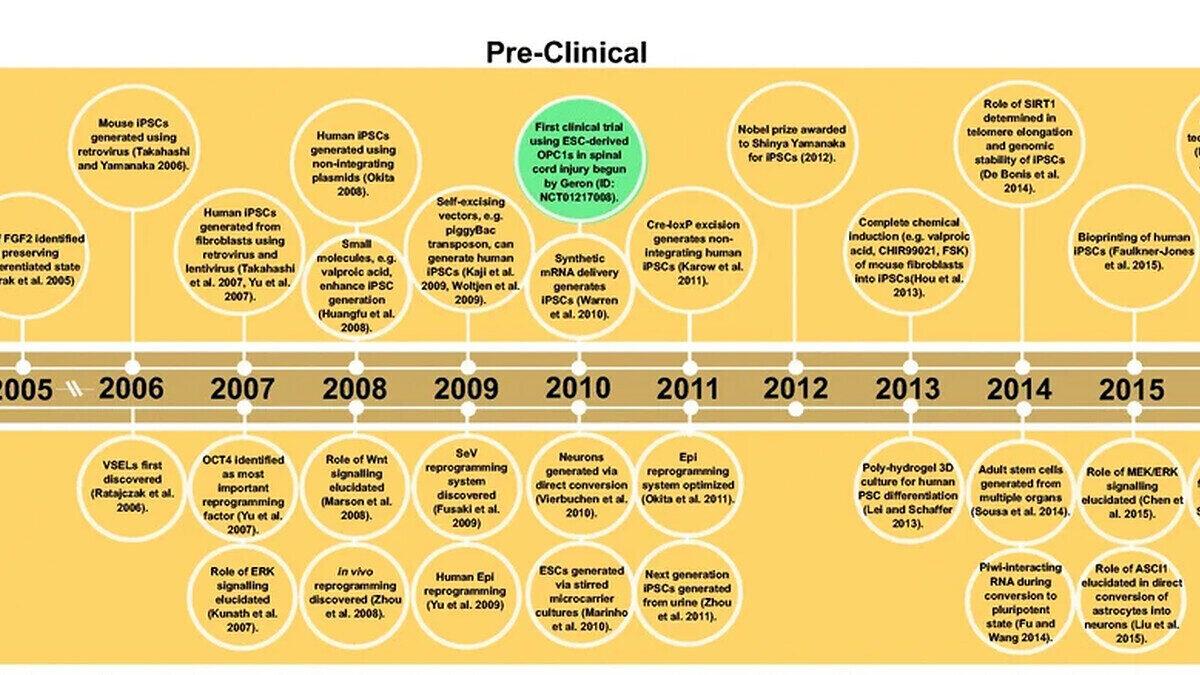
Researchers in Spain have reported a breakthrough to make bones stronger: a single infusion of engineered stem cells cut fragility fractures by 94 percent over two years in 10 women with advanced osteoporosis, according to a first-in-human trial published in the journal Cell.
Osteoporosis is an incurable bone condition that affects millions of people worldwide. The body loses bone faster than it can replace it, leaving the skeleton prone to fractures.
The trial tracked 10 female patients older than 50. Each received one infusion of her own mesenchymal stem cells, known as MSCs, wrapped in a special sugar.
What the trial found
Across the group, fractures fell from an average of eight per year in the two years before the infusion to 0.5 per year in the two years afterward.
Bone biopsies four months after treatment showed the average area occupied by bone tissue had risen by around 70 percent. Markers that indicate bone formation stayed elevated for half a year.
Two years on, participants reported 34 percent less bone pain and a 30 percent drop in disability scores.
MSCs are the precursors of osteoblasts, the cells that build and repair bone. Scientists can harvest them from bone marrow and grow them in large numbers in the lab. The problem in mice had been that few infused cells reached the bone.
The Spanish team gave the cells what the report describes as a "return address" for bone marrow. That raises the possibility of reversing some bone loss rather than only slowing it.
The authors say the drop in fractures could not be put down to lifestyle changes or medication changes, since no fractures occurred after infusion in those patients.
Expert reaction and limits
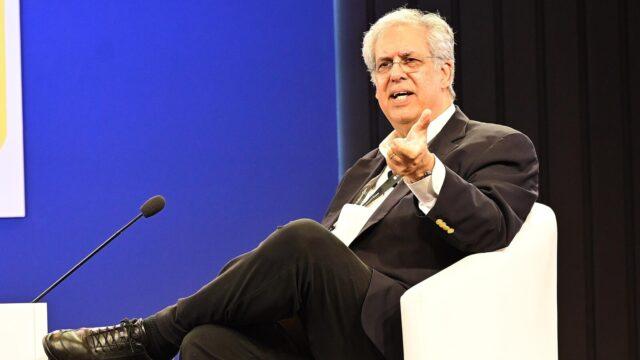
Ajit Varki, a physician-scientist at UC San Diego who was not involved in the study, called the results "quite remarkable." The trial, he said, "showed an almost 100 percent efficacy sustained for several years – and no side effects".
Fewer fractures do not by themselves prove the therapy reverses osteoporosis. The researchers did not track the cells after infusion, so nobody knows how many reached the bone or how long they stayed.
Physician Jan Schaefer called it a "fascinating experiment" on LinkedIn but said a verdict is still a few years away. The study had 10 participants and no comparison group is described.
Co-author Robert Sackstein holds intellectual-property rights to the cell-engineering technology used in the trial. He and colleagues have already shown that engineered MSCs can travel to the pancreas in diabetic mice and reverse the disease.
 Take the quizWhat Kind of Holiday Spender Are You? Take the Black Friday QuizStart →
- 1I’m A Celebrity 2026 Line-Up: Rooney Leads 11 Stars Into Jungle

- 2Mavericks Surfers Race to California for Waves Near 50 Feet

- 3NYC Medical Examiner Has Not Determined Cause of Death of Beau Rose Jessup
- 4Mountaineer Finds Ice Age Cave Bear Graveyard in the Dolomites

- 5Rugby League World Cup Final 2026: Kick-Off Times and How to Watch Kangaroos v New Zealand

 Lifestyle7 Signs Your Social Battery Is Running Low (and Why You Keep Cancelling Plans)
 Lifestyle · Food & HealthThanksgiving Food Safety: How Long Leftovers Last and the Safe Turkey Temperature
 Lifestyle7 Quiet Habits of Emotionally Intelligent People, According to Psychologists
 LifestylePeople Who Don’t Like Celebrating Their Birthday Often Share These 7 Traits