U.S. Reports 13 Congenital Measles Cases Through September 2025
U.S. doctors are warning about congenital measles after 13 cases were reported from the start of 2025 through September. The cases came amid large outbreaks, while declining vaccination rates have left more people vulnerable to infection during pregnancy.
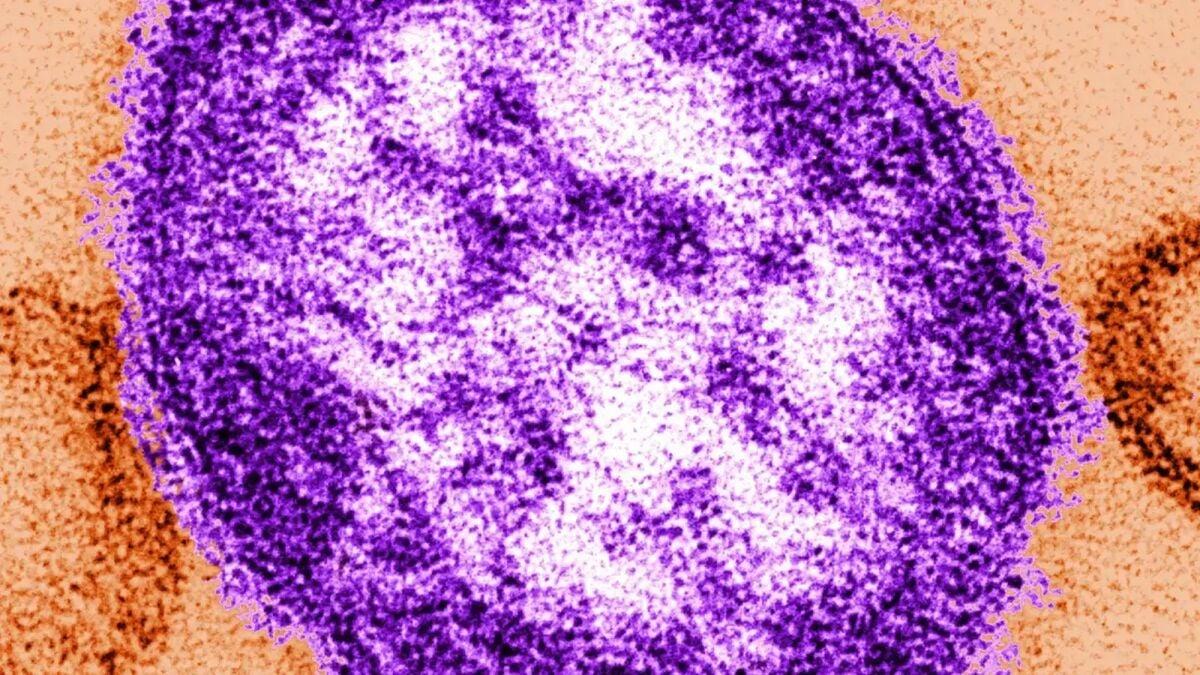
U.S. doctors are raising concerns about babies born with measles after 13 congenital cases were reported from the start of 2025 through September, during large outbreaks. The cases mark a new concern for global health as the United States faces its highest measles levels in decades.
“This is a brand new phenomenon,” said Michael Osterholm, director of the University of Minnesota’s Center for Infectious Disease Research and Policy.
Congenital measles occurs when a pregnant woman passes the virus to her fetus. It can cause severe complications and can be deadly for newborns.
Preliminary figures published Monday in a public health alert counted 112 confirmed measles cases during pregnancy. Almost all involved women who had not been vaccinated beforehand or whose vaccination status was unknown.
The Pan American Health Organization is expected to announce Tuesday that the United States has lost the measles-free status it has held since 2000. The Centers for Disease Control and Prevention (CDC) has recorded more than 7,500 measles cases in the past two years.
“We’re now seeing levels of measles that we haven’t seen in 30 years,” said Dr. Adam Ratner, a member of the American Academy of Pediatrics’ infectious diseases committee. “When you have measles under control, congenital measles doesn’t happen.”
Doctors recommend that women receive the measles, mumps and rubella vaccine, known as MMR, before pregnancy. Antibodies pass from mother to fetus through the placenta, and protection can last for a few months after birth.
MMR cannot be given during pregnancy. Unvaccinated women who have never had measles and are exposed while pregnant can receive an antibody treatment within six days to reduce the risk of infection and complications.
When a woman contracts measles shortly before delivery, an estimated 25% to 30% of babies may become infected, according to the pediatrics group. Doctors diagnose congenital measles when a baby was exposed in the uterus and shows evidence of the disease soon after birth.
Symptoms can include fever, jaundice and a measles rash. Severe complications include pneumonia, encephalitis and subacute sclerosing panencephalitis, a rare brain disorder that generally develops years after infection and is almost always fatal.
Ratner said children with congenital measles may face a higher risk of the brain disorder and could develop it sooner than other children. “That’s something that sadly we’re learning more about,” he said.
Outbreaks are considered unlikely when 95% of a community has received MMR shots, but many communities have fallen below that level. Nationally, 92.4% of U.S. kindergarteners received required MMR shots in 2025-26, the CDC said.
Infants are among those at risk because routine MMR vaccination starts at 12 to 15 months. In outbreak areas, babies can receive their first dose as early as 6 months.
“We need to get back to the point where everybody who can get vaccinated is getting vaccinated, and that’s gonna take some doing,” Ratner said.
 Take the quizWhat Kind of Holiday Spender Are You? Take the Black Friday QuizStart →
- 1Micron Stock Falls 28% as $35.16 Billion Buyback Nears

- 2Women With Autoimmune Diseases Wait About 4 Years for Diagnosis, Study Finds

- 3I’m A Celebrity 2026 Line-Up: Rooney Leads 11 Stars Into Jungle

- 4Taylor Swift and the Falcons Game Today: Chiefs in Atlanta

- 5Actor Says David Walliams Sexually Humiliated Him on Stage

 Lifestyle7 Signs Your Social Battery Is Running Low (and Why You Keep Cancelling Plans)
 Lifestyle · Food & HealthThanksgiving Food Safety: How Long Leftovers Last and the Safe Turkey Temperature
 Lifestyle7 Quiet Habits of Emotionally Intelligent People, According to Psychologists
 LifestylePeople Who Don’t Like Celebrating Their Birthday Often Share These 7 Traits