NICE Recommends Sponge String Tests for Barrett’s Oesophagus
England’s National Institute for Health and Care Excellence has recommended two capsule sponge tests for NHS use in draft guidance. The seven-minute procedure collects cells from the food pipe without sedation, offering a way to check for Barrett’s oesophagus and identify patients who may need further tests.
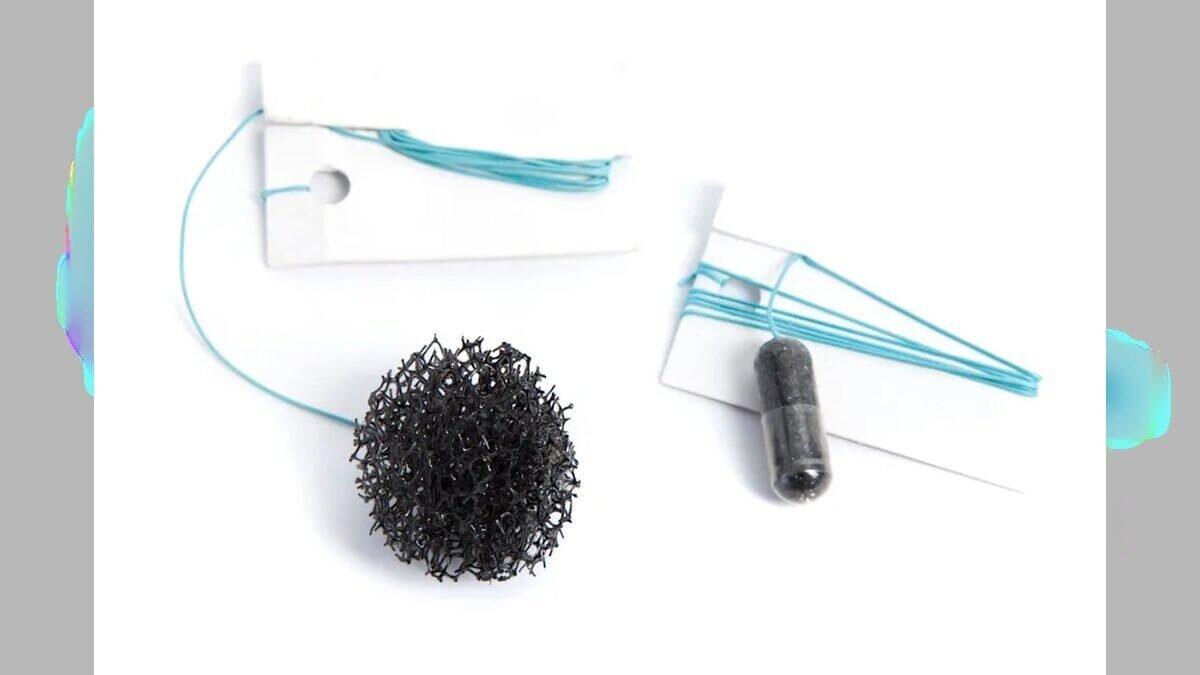
The National Institute for Health and Care Excellence has recommended two innovative sponge string cancer tests for NHS use in draft guidance issued in England. The seven-minute procedure checks for Barrett’s oesophagus, a condition linked to an increased risk of oesophageal cancer.
It could give thousands of people at higher risk a less invasive way to be tested.
The tests, called Cytosponge and EndoSign, use a small capsule attached to a string. A patient swallows it, the capsule dissolves in the stomach and releases a sponge, which collects cells from the lining of the food pipe when it is pulled out.
The samples go to a laboratory for analysis. The procedure does not require sedation and can be carried out in GP surgeries, local pharmacies and community diagnostic centers.
Barrett’s oesophagus develops when stomach acid damages the food pipe lining. According to NICE, the condition affects about one to two per cent of adults and is common among people with long-term acid reflux. Most people with Barrett’s oesophagus do not develop cancer, but testing can also help monitor the condition.
More than 9,000 people a year are diagnosed with oesophageal cancer in the UK. The disease is often found late, when it is harder to treat.
NICE chief executive Professor Jonathan Benger said patients preferred the capsule sponge test to endoscopy, which passes a thin camera tube through the throat. “Oesophageal cancer is very difficult to treat when it is diagnosed at a later stage, so identifying people sooner is really important,” he said.
Benger said the tests could help identify people who need further tests and treatment, while allowing the NHS to focus endoscopy capacity on patients who need it most.
NHS England national clinical director for cancer Professor Peter Johnson said thousands of people had already benefited from the test in pilot programs. He said an easier way to check for changes in the food pipe lining could reduce the need for more complicated endoscopies.
The draft recommendation is the first issued under NICE’s National HealthTech Access Programme, which assesses whether new technologies and devices should become routine in the health service. NICE healthtech director Thomas Slater called the recommendation “an important milestone” and said the program aims to support wider adoption of technologies that benefit patients and taxpayers.
 Take the quizWhat Kind of Holiday Spender Are You? Take the Black Friday QuizStart →
- 1Micron Stock Falls 28% as $35.16 Billion Buyback Nears

- 2I’m A Celebrity 2026 Line-Up: Rooney Leads 11 Stars Into Jungle

- 3Taylor Swift and the Falcons Game Today: Chiefs in Atlanta

- 4Women With Autoimmune Diseases Wait About 4 Years for Diagnosis, Study Finds

- 5Actor Says David Walliams Sexually Humiliated Him on Stage

 Lifestyle7 Signs Your Social Battery Is Running Low (and Why You Keep Cancelling Plans)
 Lifestyle · Food & HealthThanksgiving Food Safety: How Long Leftovers Last and the Safe Turkey Temperature
 Lifestyle7 Quiet Habits of Emotionally Intelligent People, According to Psychologists
 LifestylePeople Who Don’t Like Celebrating Their Birthday Often Share These 7 Traits