Edward Hopper’s Lighthouses Became Self-Portraits, His Wife Wrote
A new biography draws on Josephine Hopper’s diaries and notebooks to examine the couple’s artistic rivalry and troubled marriage. She wrote that her husband’s lighthouse paintings were self-portraits, linking the structures to his sense of himself and his art.
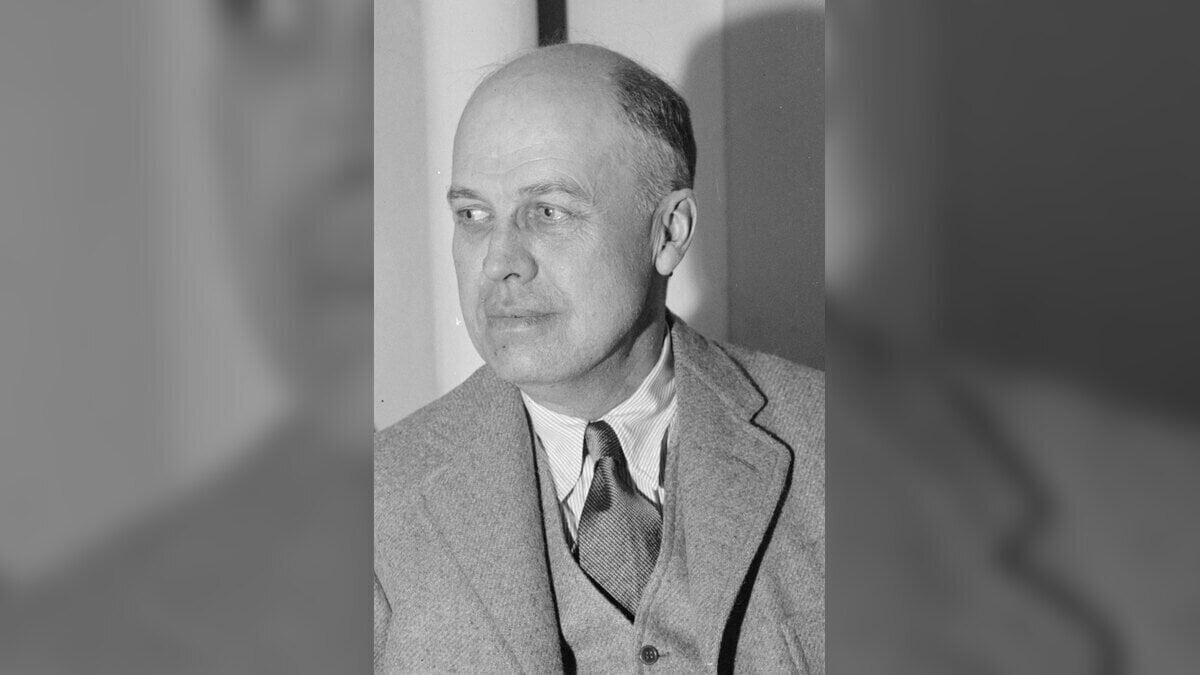
Biographer Gail Levin uses Josephine “Jo” Hopper’s diaries and notebooks to explore why Edward Hopper repeatedly painted lighthouses, which she called self-portraits. Her account also examines the couple’s artistic rivalry and troubled marriage.
Jo’s papers—35 years of daily diaries, almost 100 notebooks, letters and ledgers—documented her life with the painter and helped shape Levin’s new biography, the first about Edward Hopper in 30 years, Levin writes. Many of the notebooks and diaries she consulted had not been published.
Jo’s account of the lighthouse
The Hoppers visited Two Lights, a village in Maine, in the summer of 1927. Jo wrote, “We fell in love with the lighthouse.” When she tried to paint it in watercolor, Edward objected: “If you’re going to paint it – I won’t.”
Jo later connected his attachment to the structure with how he saw himself. In 1946, she wrote, “Those lighthouses are self-portraits.” She described the artist as identifying with the tall buildings in his work and compared their bright lights to a deception that led birds to crash into them.
Edward’s 1929 painting The Lighthouse at Two Lights was among his more celebratory works, Levin writes. The artist viewed the lighthouse as an emblem of American individualism, drawing on a tradition of solitude associated with writers Walt Whitman and Ralph Waldo Emerson.
A marriage recorded in notebooks
Jo’s papers also preserve her anger over the way she was treated as an artist and partner. At a 1950 retrospective at the Whitney Museum of American Art in New York, the exhibition catalogue removed the words “the artist” from a reference to her marriage to Edward.
“I’m not allowed to exist even in my husband’s biography,” Jo wrote in a private notebook. She supported Edward’s career and kept records of his work, while her own success faded as his rose, Levin says.
In her notebooks, Jo recorded domestic abuse and an unsatisfactory sex life, alongside the couple’s artistic conflicts. She called her husband a “sadist” and a “prize hog,” while also documenting moments of humor in their marriage.
Levin reads several paintings against Jo’s accounts. In Four Lane Road, a woman leans out of a gas station window as a man sits outside. Jo described the woman’s expression as “the most evil face” and wrote that it reflected what Edward felt about her.
Jo also connected Excursion into Philosophy, painted in 1959, to their sexual relationship. The work shows a woman turned away on a bed and a man staring toward a patch of sunlight. Jo described the painting as a “book of Plato … resorted to on morning after episode with young woman”.
Edward’s final oil painting, Two Comedians, showed the couple holding hands and bowing onstage in theatrical costumes. Jo had written in 1939: “This marriage has been the one great enterprise – my kingdom come.”
 Take the quizWhat Kind of Holiday Spender Are You? Take the Black Friday QuizStart →
- 1U.S. Emergency Alert Test Nov. 17 Is Not a Power Outage

- 2Women With Autoimmune Diseases Wait About 4 Years for Diagnosis, Study Finds

- 3DUP Chairman Lord Morrow Loses Wife and Daughter Within Hours in NI
- 4Micron Stock Falls 28% as $35.16 Billion Buyback Nears

- 5I’m A Celebrity 2026 Line-Up: Rooney Leads 11 Stars Into Jungle

 Lifestyle7 Signs Your Social Battery Is Running Low (and Why You Keep Cancelling Plans)
 Lifestyle · Food & HealthThanksgiving Food Safety: How Long Leftovers Last and the Safe Turkey Temperature
 Lifestyle7 Quiet Habits of Emotionally Intelligent People, According to Psychologists
 LifestylePeople Who Don’t Like Celebrating Their Birthday Often Share These 7 Traits