Britain’s Inflation Wait Could Last Until 2028, Bank Says
The Bank of England forecasts that inflation will not return to its 2% target until the third quarter of 2028. Public expectations of future price rises have climbed, raising concerns among some economists that inflation could become harder to control.

The Bank of England expects Britain’s long wait for 2% inflation to continue until the third quarter of 2028, according to its central forecast.
Price pressures have risen again. Official data showed consumer price inflation reached 3.6% in October, its highest level in a year.
Some economists worry that a prolonged period above target could weaken public confidence in the bank’s ability to control prices. Expectations matter because they can influence workers’ wage demands and companies’ pricing decisions.
British consumer prices have risen 44% since mid-2016, more than in any other Western European country.
Energy costs drive bank’s forecast
The Bank of England raised its main interest rate to 4% this month. It forecast that higher energy prices linked to the war in Iran would push inflation close to 5% by mid-2027.
The bank’s central forecast for a return to 2% uses market expectations for interest rates. Its separate illustrative modeling puts the return later.
Governor Andrew Bailey has said the bank could not have foreseen the wars in Ukraine and Iran, both of which drove up energy prices.
Chief Economist Huw Pill and other members of the bank’s rate-setting committee have criticized its earlier approach as too cautious.
Household expectations have climbed
The bank’s Inflation Attitudes Survey found that the median expectation for long-term inflation rose to a record 3.9% in the second quarter. A switch to a new pollster may have contributed to a lower reading in the latest quarter.
Over the past year, nearly half of respondents who expressed a view expected inflation of 4% or more. That was up from about a third in 2020-21.
A separate Citi/YouGov survey put longer-term expectations at around 4%. Market measures of long-term inflation expectations and businesses’ price expectations have remained broadly stable.
Deputy Governor Clare Lombardelli said the bank had not seen a lasting shift away from confidence in its inflation target. Some economists disagree.
Rob Wood, chief UK economist at Pantheon Macroeconomics, said that shift was no longer just a risk. “I think it’s already happened,” he said.
Bank weighs its response
Michael Saunders, a senior adviser to Oxford Economics and a former bank rate-setter, urged a faster response to price shocks.
“You’ve got to lean against the inflationary effects of adverse supply shocks more promptly,” Saunders said.
Some rate-setters worry that higher interest rates are a blunt response to rising energy import costs. Larger energy bills can also reduce spending elsewhere, potentially limiting inflation.
The bank plans to issue regular statements on inflation data, except just before policy decisions. A spokesperson said rate-setters would “continue to set interest rates to make sure inflation returns to the 2% target and stays there.”
 Take the quizWhat Kind of Holiday Spender Are You? Take the Black Friday QuizStart →
- 1Gold Silver Price November: Futures Rise Near Yearly Lows

- 2Michael Clarke Says Sandpapergate Scars Drew Steve Smith to New York

- 3U.S. Emergency Alert Test Nov. 17 Is Not a Power Outage

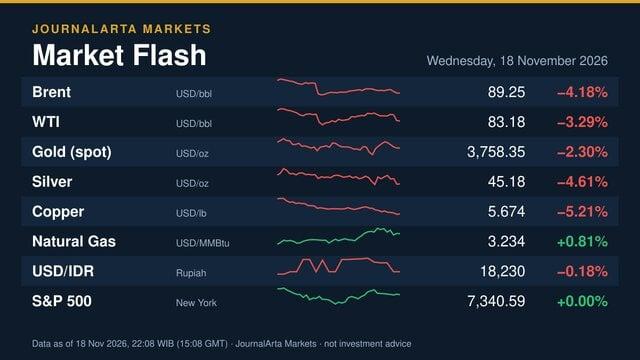
- 4Brent Crude Slides 4.05% as Rising US Stockpiles Weigh on Oil
- 52027 NFL Mock Draft Puts Ohio State’s Jeremiah Smith at No. 1

 Lifestyle · Food & HealthWhat Is Raynaud’s Syndrome? Why Fingers Turn White in the Cold
 Lifestyle · Food & Health4 Ways Walking After Meals Helps Your Body, Doctors Say
 Lifestyle · Food & Health4 Reasons to Eat Oatmeal, According to Nutrition Experts
 Lifestyle7 Signs Your Social Battery Is Running Low (and Why You Keep Cancelling Plans)