Nvidia Stops H200 Chip Shipments to China Despite US Approval
Nvidia has stopped shipping licensed Hopper data center chips to China, interim CEO Colette Kress said, despite earlier US approval. The decision follows scrutiny of the chipmaker’s China business and a White House dispute over restrictions on advanced artificial intelligence technology.
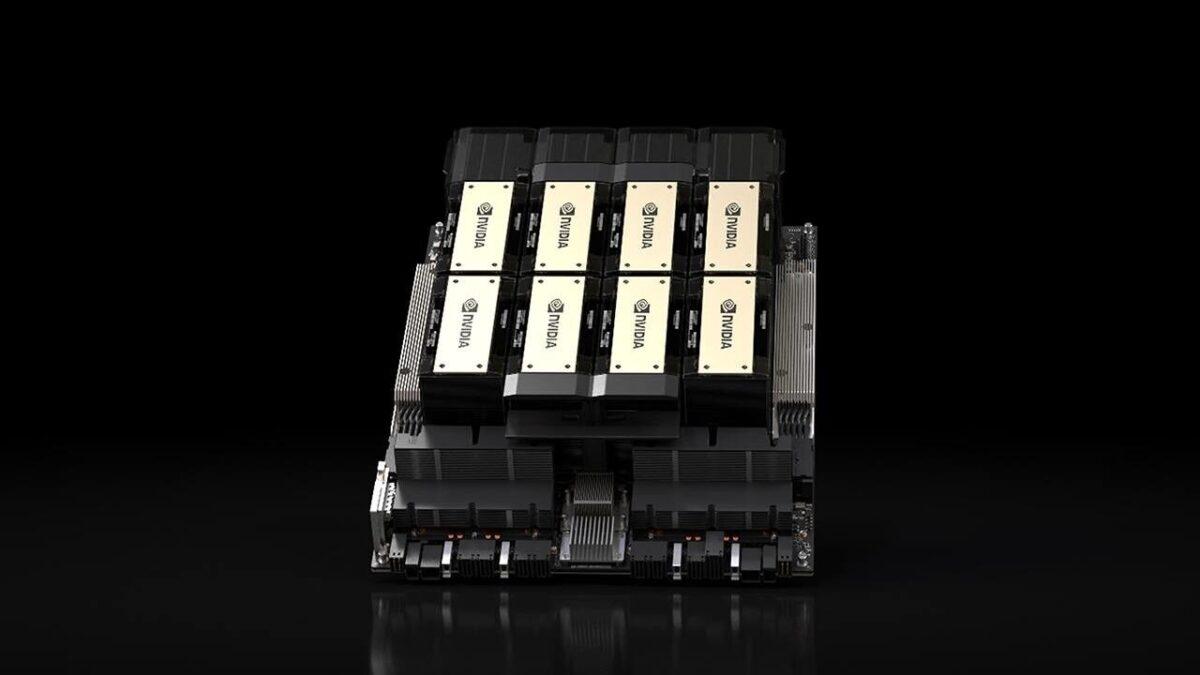
Nvidia has stopped shipping licensed Hopper data center chips to China, interim CEO Colette Kress said on an earnings call, despite US Commerce Department approval for H200 sales in January.
The decision affects a business that generated $2.4 billion in third-quarter sales. Kress said licensed Hopper sales to China accounted for about 2% of Nvidia’s total revenue.
Kress did not give a reason for the halt. She said Nvidia’s guidance no longer includes licensed Hopper data center products for China.
The Hopper series includes H200 chips, which are designed to speed up the training of artificial intelligence models. The Commerce Department approved H200 sales in China in January.
Board Forms Security Panel
Nvidia said its board has formed a panel to oversee national security policies and compliance with US export controls. The announcement follows scrutiny of its China business and the resignation of former CEO Jensen Huang.
Huang resigned after his relationship with a Chinese businesswoman linked by US authorities to Chinese intelligence came to light. Huang had lobbied the Trump administration to ease export controls on advanced chips.
He had also agreed to give the US government 15% of revenue from Nvidia’s AI chip sales in China.
The United States still bans exports to China of Nvidia’s more advanced Blackwell and Rubin chips. A senior White House official said Chinese firms cannot acquire those products.
White House Dispute Over Restrictions
President Donald Trump has defended Commerce Secretary Howard Lutnick after Treasury Secretary Scott Bessent criticized his approach to export restrictions on advanced AI chips.
At a November 5 Oval Office meeting, Bessent asked why Megaspeed had not been added to the US entity list faster. The list imposes trade restrictions on named companies.
Lutnick said he would defer to Trump and add Megaspeed if the president wanted. Trump instead chose to have Lutnick work on an interim rule addressing remote access to advanced chips.
That rule would target Chinese AI labs leasing computing power from data centers in Southeast Asia. A White House spokesperson said it would “crack down on the smuggling of advanced US SI chips.”
California-based Aivres, a subsidiary of Chinese server conglomerate Inspur, transferred billions of dollars’ worth of restricted Nvidia chips to Megaspeed subsidiaries. Those transfers included H200 chips.
Megaspeed hosted servers in data centers in Malaysia and Indonesia and rented computing power to major Chinese companies. An Aivres spokesperson said the company complies with all US export controls.
Nvidia reported fiscal third-quarter revenue of $115.8 billion, compared with $57 billion a year earlier. Profit rose to $65.3 billion from $31.9 billion.
 Take the quizWhat Kind of Holiday Spender Are You? Take the Black Friday QuizStart →




 Lifestyle · Food & HealthWhat Is Raynaud’s Syndrome? Why Fingers Turn White in the Cold
 Lifestyle · Food & Health4 Ways Walking After Meals Helps Your Body, Doctors Say
 Lifestyle · Food & Health4 Reasons to Eat Oatmeal, According to Nutrition Experts
 Lifestyle7 Signs Your Social Battery Is Running Low (and Why You Keep Cancelling Plans)