Bank of England RT2 and CHAPS ISO 20022 Treasury Playbook
Prepare UK treasury systems for CHAPS ISO 20022 with a guide to purpose codes, LEIs, structured addresses, bank testing and RT2 settlement access.
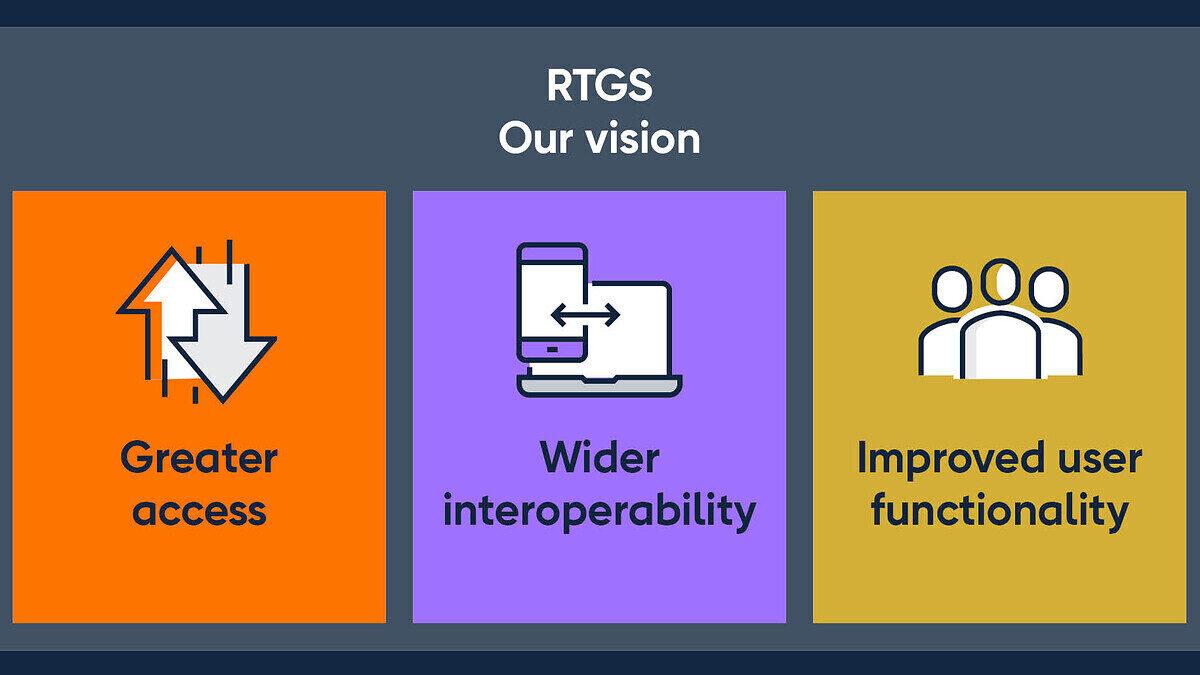
UK treasury teams should fix missing beneficiary data now and confirm each bank’s CHAPS validation timetable before changing production rules. The Bank of England CHAPS ISO 20022 programme gives buyers of corporate treasury management systems a practical acceptance test: can the software preserve payment data from the ERP through to bank acknowledgements and reconciliation?
- CHAPS migrated to ISO 20022 in June 2023. RT2, the Bank’s renewed sterling settlement engine and ledger, went live on 28 April 2025.
- The Bank expects to remove fully unstructured postal address fields in its November 2027 release, subject to confirmation. Structured and hybrid formats are already available.
- Since 1 May 2025, channels controlled by CHAPS direct participants have been subject to purpose-code requirements for financial-institution and property payments in scope, and Legal Entity Identifier (LEI) requirements for financial-institution payments in scope.
Map CHAPS payment fields to the right deadlines
The Bank deferred the entire November 2026 RTGS standards release, including the planned rejection of fully unstructured CHAPS addresses. Its current expectation is to fold those changes into November 2027. The Bank also discussed an earlier rulebook requirement with industry in October. Swift separately deferred its cross-border payments changes and said it would provide an update on address timing by December 2026. Keep domestic CHAPS and Swift Cross-Border Payments and Reporting Plus (CBPR+) dates separate in your release calendar.
Store town and country as separate fields. A fully structured address excludes free-text address lines. A hybrid address can also contain up to two free-text lines of 70 characters each. Keep data captured in structured fields out of those lines. Assign ownership of missing creditor data to the team that can verify it with the beneficiary, then test how each bank handles incomplete records and any subsequent repair.
From November 2027, the Bank plans to extend purpose codes to all CHAPS payments initiated through channels controlled by direct participants. It also confirmed LEIs for in-scope financial-institution returns (pacs.004) and cover payments (pacs.009 COV) through those channels. The Bank withdrew the November 2027 structured-remittance mandate in July 2026 and gave no replacement date. Direct participants must still be able to receive structured remittance.
Test the ERP-to-bank workflow before buying middleware
Start with the underlying business event. Map an acquisition completion payment or a cash sweep to a purpose code agreed with your bank. Give regulatory-reporting codes a separate field and owner. UK Finance flagged the risk that users or ERP workflows could confuse the payment’s purpose with a code collected for regulatory reporting. Put both fields in the test file and have the bank confirm how it interprets each.
| Control | Acceptance test | Cost basis (GBP) | Operational benefit | Best fit |
|---|---|---|---|---|
| Beneficiary master data | Export structured town and country, then check the bank’s hybrid mapping | Implementation price not disclosed | Find missing data before payment approval | Treasuries with legacy supplier records |
| Purpose codes and LEIs | Submit an in-scope example and a missing-field case for each relevant bank channel | Configuration price not disclosed | Show who owns each field and who resolves an exception | Property teams and regulated payment firms |
| ISO 20022 payment middleware | Trace a payment reference from approval through bank status and statement reconciliation | Licence and connector prices not disclosed | Show whether fields and references survive bank-specific mappings | Multi-bank treasury teams |
| CHAPS clearing platforms | Demonstrate liquidity visibility, exception handling and contingency operations | £0.487 per payment sent in 2026 at the direct-participant scheme level, plus a participation fee | Separate scheme charges from platform and liquidity costs | Eligible institutions considering direct access |
For ERP cash management software buyers already using SAP, the connector for SAP Multi-Bank Connectivity can send payment messages and receive bank status reports and statements. SAP documents that the connector passes the payload through as supplied. Test where validation and mapping occur, and which bank response provides evidence that a payment has settled. Quote requests should itemise implementation, recurring connector charges, bank certification and support for future schema releases.
Choose bank connectivity or direct settlement access
CHAPS settles obligations individually between direct participants in RT2, the Bank’s real-time gross settlement service. Corporate customers send instructions through their payment provider. The scheme’s published submission deadline for customer payments is 5.40pm on working days. Ask your provider for the cut-off it applies to your channel and the latest time it can accept a repaired instruction. Use those times in your payment calendar alongside your Faster Payments, Bacs and CHAPS routing rules.
If a single bank handles your sterling payments, start with the existing portal or file connection and run a full test through confirmation and reconciliation. Choose a payment hub when multiple bank formats or inconsistent status feeds create recurring manual work. Ask each shortlisted supplier to demonstrate a rejected instruction, a corrected submission and statement matching with your bank’s test data. Measure repair time and unmatched entries in your own pilot before approving the spend.
If you are a bank or an eligible payment firm considering direct participation, model intraday liquidity, connectivity, scheme fees and contingency staffing together. The Bank’s RTGS rules list optional API use for account holders. Corporate buyers should specify the reporting and status feeds they need in their bank contract. The Bank’s non-live Synchronisation Lab tests conditional settlement in sterling central bank money against movements on external asset ledgers. Treat that work as a separate investment decision when reviewing cross-border stablecoin payments.
Make bank acceptance and reconciliation the conditions for signing off the project. Require evidence that each bank receives the intended data, that operators can identify and correct a failed instruction before the applicable cut-off, and that finance can match the resulting debit to the payment it approved.
 Take the quizWhat Kind of Holiday Spender Are You? Take the Black Friday QuizStart →
- 1Gold Silver Price November: Futures Rise Near Yearly Lows

- 2U.S. Emergency Alert Test Nov. 17 Is Not a Power Outage

- 3Michael Clarke Says Sandpapergate Scars Drew Steve Smith to New York

- 42027 NFL Mock Draft Puts Ohio State’s Jeremiah Smith at No. 1

- 5Brent Crude Slides 4.05% as Rising US Stockpiles Weigh on Oil
 Lifestyle · Food & HealthWhat Is Raynaud’s Syndrome? Why Fingers Turn White in the Cold
 Lifestyle · Food & Health4 Ways Walking After Meals Helps Your Body, Doctors Say
 Lifestyle · Food & Health4 Reasons to Eat Oatmeal, According to Nutrition Experts
 Lifestyle7 Signs Your Social Battery Is Running Low (and Why You Keep Cancelling Plans)