Taung Child Study Challenges Fossil Classifications
A study dates South Africa’s Taung Child fossil to between 2.96 and 3.03 million years ago and questions whether other fossils belong to the same species. Researchers compared tooth structure and development, finding signs that several distinct early human relatives may have lived in the region.
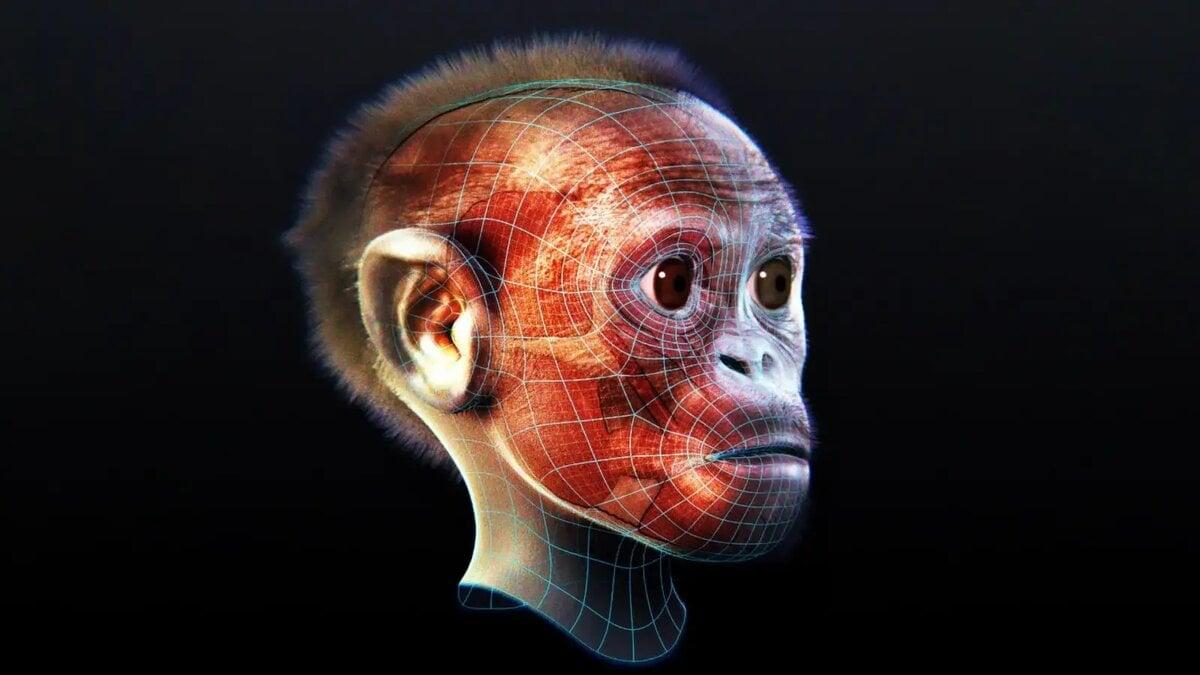
A study of the roughly 3-million-year-old Taung Child fossil suggests that several early human relatives in southern Africa may have been classified as the wrong species. Researchers dated the remains to between 2.96 and 3.03 million years ago and compared their development with other fossils.
The findings challenge assumptions about the relationships among ancient human relatives. Professor Gabriele Macho of Vrije Universiteit Brussel led the international study, published in npj Palaeoecosystems.
Scientists discovered the Taung Child in South Africa in 1924. The fossil provided the first concrete evidence supporting humanity’s African origins.
It also became the specimen used to define Australopithecus africanus, a species of early human relative. Researchers have not established definitive criteria for assigning later fossil discoveries to that species.
The Taung Child is therefore the only fossil that can be identified with certainty as Australopithecus africanus, according to the study.
Development differed among fossils
Researchers compared tooth structure and patterns of brain and dental development as the ancient individuals grew. Several adult fossils traditionally classified as Australopithecus africanus showed developmental patterns that differed from those of the Taung Child.
Differences in brain development were particularly revealing. They suggest that fossils grouped into one species may represent several distinct human relatives in the Sterkfontein region.
Those species may have lived there at the same time or during different periods.
“For over 100 years, we assumed the Taung Child was just one of many similar fossils from the era,” Macho said. “Our findings turn that on its head.”
Climate shifts shaped habitats
The researchers believe repeated shifts between wetter and drier climates helped create diversity among ancient populations in southern Africa. As suitable habitats expanded and contracted, populations moved, sometimes becoming geographically isolated and evolving along different paths.
Some groups later came back into contact and interbred. Changing conditions also exposed populations to different predators and pathogens, creating pressures that shaped their evolution.
Southern Africa lay along the boundary between tropical and temperate ecosystems. Over thousands of years, changing habitats may have repeatedly brought different species together, giving them opportunities to interbreed.
Fossilized pollen also indicates that the Taung Child’s region was wetter and more heavily forested than it is today. Researchers found evidence of tree species now found hundreds of kilometers to the northeast.
 Take the quizWhat Kind of Holiday Spender Are You? Take the Black Friday QuizStart →





 Lifestyle · Food & HealthNormal Blood Pressure Chart by Age: Healthy Ranges Explained
 Lifestyle · Food & HealthWhat Is Raynaud’s Syndrome? Why Fingers Turn White in the Cold
 Lifestyle · Food & Health4 Ways Walking After Meals Helps Your Body, Doctors Say
 Lifestyle · Food & Health4 Reasons to Eat Oatmeal, According to Nutrition Experts