UK Researchers Propose a Way to Detect Mirror Life
Researchers in the United Kingdom have proposed using light-sensitive probes to identify hypothetical mirror life. Such organisms could evade natural defenses, but the detection method remains a thought experiment and has not been tested on mirror life.
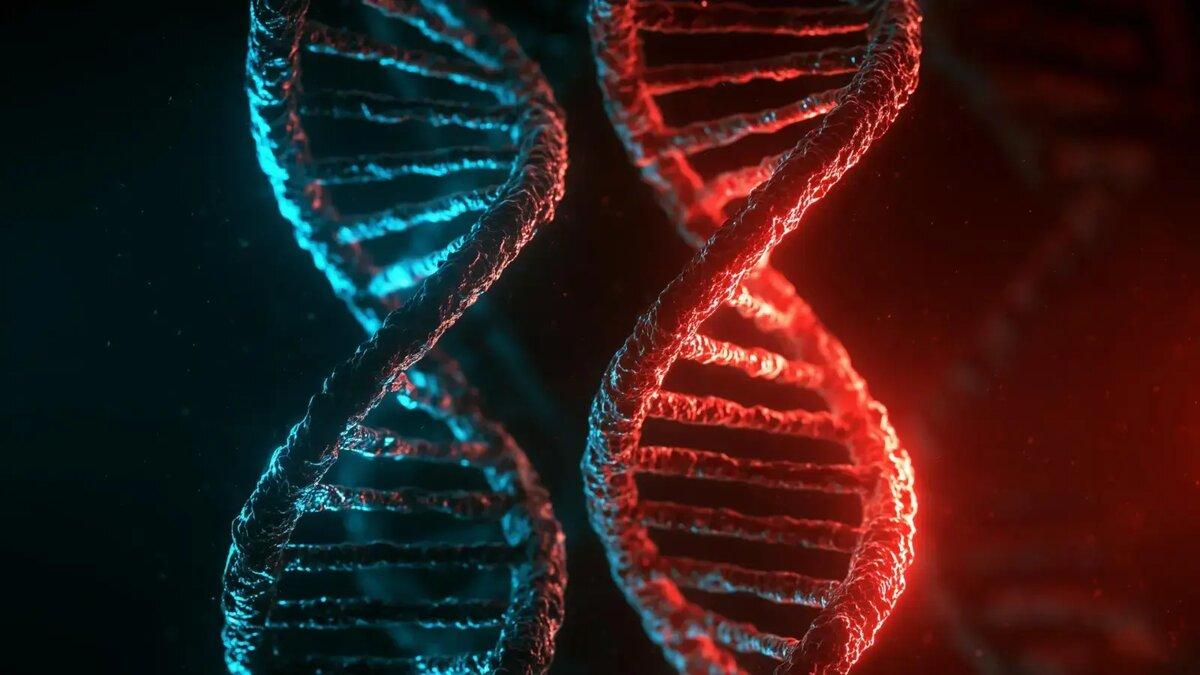
Researchers at the University of Strathclyde and Durham University have proposed a light-based method to detect hypothetical mirror life. They warn that artificially created mirror organisms could evade biological defenses.
The approach remains a thought experiment. Mirror life is not known to exist, and the researchers have not demonstrated the proposed detection method on such organisms.
The team described its proposal in a study published in Royal Society Open Science. It suggests adapting existing equipment, including cameras and microscopes, to look for signals from mirror-image biological structures.
Why Mirror Molecules Concern Researchers
Many molecules have two forms that are mirror images of each other. Like left and right hands, those forms cannot be perfectly laid over one another.
In DNA, that handedness appears in the direction of its double helix. In amino acids, the building blocks of proteins, it comes from the arrangement of atoms around a central carbon atom.
Living things almost always use just one mirror-image form of each key molecule. Most amino acids encoded in living organisms are left-handed.
Some mirror forms occur naturally and pose no threat. The researchers are concerned about artificial organisms built from mirror molecules, which could potentially slip past immune systems and other defenses.
Probes Would Reveal Reversed Signals
The proposed method uses fluorescent probes that attach to structures inside cells, such as membranes or DNA. The probes would emit light whose electric field rotates as it travels.
That rotation can be left- or right-handed. The researchers propose looking for a change in its direction when a probe attaches to a mirror-image structure.
A probe bound to ordinary biological molecules would produce one twist of light. The same probe bound to their mirror counterparts would produce the opposite twist, offering a warning signal.
The researchers call the approach circularly polarized luminescence. It relies on the arrangement of molecules in a structure, as well as the handedness of individual molecules.
Natural DNA Could Test Method
The team proposes testing the idea without creating mirror life. One possible stand-in is Z-DNA, a naturally occurring form whose double helix twists to the left.
Z-DNA is not a true mirror molecule: it has the same building blocks as ordinary DNA. Its reversed twist could still help researchers test whether probes distinguish between spiral directions.
Using several types of probes could help rule out false positives. Probes with their own handedness may respond differently from those without it, helping researchers identify misleading readings.
Other probes have been designed for RNA, while some incorporating amino acids produce polarized light when they bind to specific molecules.
“Close coordination between biologists and chemists will be required,” the researchers said, to develop probes that can reliably identify mirror life if it is encountered.
 Take the quizWhat Kind of Holiday Spender Are You? Take the Black Friday QuizStart →
- 1Brent Crude Slides 4.05% as Rising US Stockpiles Weigh on Oil

- 2Stock Market Today: Nasdaq Rises at the Open While Dow Holds Near Flat

- 3UnitedHealth Shares Fall 10.2% Amid Medicare Audit Proposal

- 4Stock Market Today: Nasdaq and S&P 500 Futures Rise Ahead of Anthropic Debut

- 5Lainey Wilson and Devlin Hodges Married in Tennessee Cave

 Lifestyle · Food & HealthWhat Is Raynaud’s Syndrome? Why Fingers Turn White in the Cold
 Lifestyle · Food & Health4 Ways Walking After Meals Helps Your Body, Doctors Say
 Lifestyle · Food & Health4 Reasons to Eat Oatmeal, According to Nutrition Experts
 Lifestyle7 Signs Your Social Battery Is Running Low (and Why You Keep Cancelling Plans)