Oregon State Grows Potatoes in Simulated Moon Soil
Oregon State University researchers grew edible potatoes in simulated lunar soil mixed with worm-produced compost. Plants in a mixture containing 30% compost matched the growth of those in Earth soil, while plants without the amendment struggled.
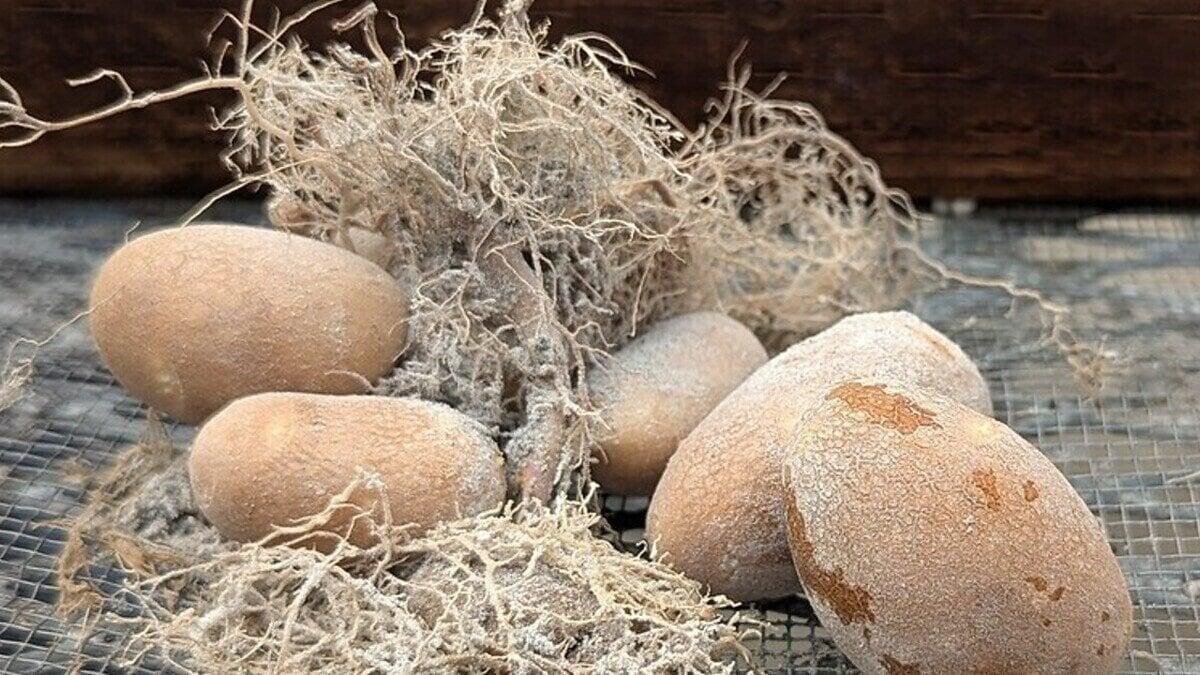
Oregon State University researchers said on November 19 that potatoes grown in simulated lunar soil mixed with organic matter were safe to eat. The plants also achieved growth and yields comparable to those grown in Earth soil.
The experiment tested whether a common food crop could grow in material resembling lunar regolith, the loose rock and dust covering most of the Moon. The findings could help researchers develop food production for long-term lunar missions.
“We found that potatoes can complete their entire life cycle in simulated lunar soil when supplemented with organic matter,” said Aymeric Goyer of Oregon State’s Department of Botany and Plant Pathology.
Compost improved plant growth
Goyer and his colleagues tested different amounts of vermicompost, a nutrient-rich soil amendment made by earthworms breaking down organic matter. NASA funded the research, which appeared in the journal npj Microgravity.
Plants in simulated regolith containing 30% vermicompost matched the growth and development of those cultivated in Earth soils. Plants grown without the amendment were stunted and had underdeveloped roots.
Mixtures containing 5% to 15% vermicompost produced only a partial recovery.
The team tested five simulated soils representing lunar mare and highland regions because regolith varies across the Moon. Researchers also included soil from Hermiston, Oregon, a region known for high potato yields.
Lunar regolith contains very little organic matter and can have elevated levels of heavy metals. The researchers believe compost binds those metals, limiting their ability to damage roots or interfere with growth.
“We believe the compost helps balance some of the toxicity we see in lunar regolith by reducing plant exposure to harmful compounds,” said David Handy, a postdoctoral researcher in Goyer’s lab.
Nutrition and future tests
The potatoes maintained their nutritional quality, the researchers found. They saw no statistically significant increase in glycoalkaloids, naturally occurring potato toxins often associated with green discoloration beneath the skin.
Researchers chose potatoes because they produce more calories per unit of land than many crops and offer substantial nutritional value. The crop is also considered a practical staple for long-duration space missions.
NASA’s Artemis program aims to establish a sustained human presence on the Moon. Growing food there could reduce reliance on costly resupply missions from Earth.
Astronauts could eventually bring a small amount of organic matter and produce more from food scraps and plant waste, the researchers said. A forthcoming paper will report experiments involving 10 potato varieties grown in simulated lunar soil.
 Take the quizWhat Kind of Holiday Spender Are You? Take the Black Friday QuizStart →





 Lifestyle · Food & HealthWhat Is Raynaud’s Syndrome? Why Fingers Turn White in the Cold
 Lifestyle · Food & Health4 Ways Walking After Meals Helps Your Body, Doctors Say
 Lifestyle · Food & Health4 Reasons to Eat Oatmeal, According to Nutrition Experts
 Lifestyle7 Signs Your Social Battery Is Running Low (and Why You Keep Cancelling Plans)