Homo erectus teeth suggest rainforest life in southern China
Fossil teeth from two caves in southern China suggest Homo erectus survived in the region longer than previously thought. Two studies also found evidence consistent with life in tropical rainforest and possible long-distance movement.
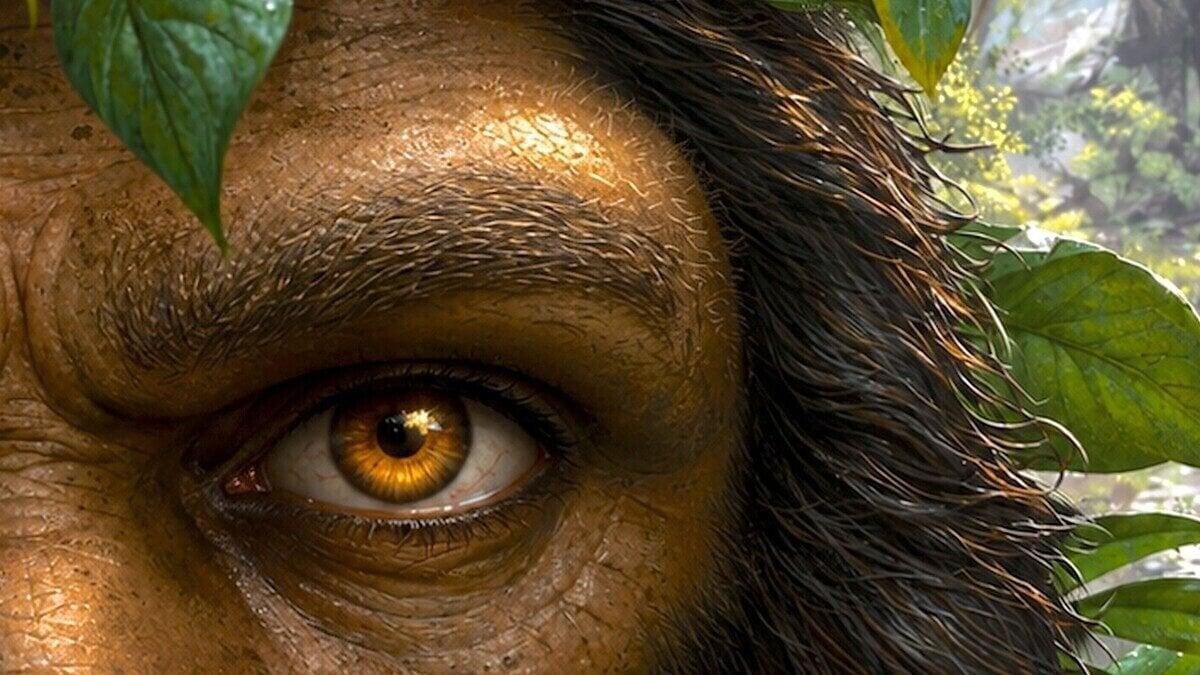
Homo erectus survived in southern China longer than previously thought and lived among rainforest animals, two studies of fossil teeth suggest.
The findings challenge the idea that the ancient human relative struggled to adapt as its preferred open habitats gave way to dense forest. The teeth also offer clues about where some individuals may have traveled.
Researchers examined fossils from Baxian and Naxian, two caves in southern China. More than 18,000 mammal fossils were found there, including nine teeth from hominins, the group that includes humans and their extinct relatives.
Teeth point to a distinct population
One international research team examined the nine teeth and found that eight had a combination of features usually seen in Homo erectus specimens.
The team also studied proteins in five teeth. Four had a protein pattern linked to Homo erectus, though a small difference led researchers to identify a previously unsampled population.
One tooth did not match the species in either its physical features or its protein profile. It also did not appear to belong to a Neanderthal or a modern human.
Researchers said it could have come from a Denisovan, another ancient human relative. Its protein sequence did not match the available reference, though the team noted that only one reference genome exists for that species.
Fossils suggest a later survival
Dating of the fossils and the sediments around them indicated that they were between 184,000 and 324,000 years old.
China has a detailed Homo erectus fossil record spanning more than a million years, but that record almost disappears around 400,000 years ago. The newly examined teeth suggest the species survived in the area longer than previously thought.
Homo erectus had lived in open grasslands and savannas with sparse tree cover. As those habitats expanded during the early Pleistocene, the species spread through Eurasia and Southeast Asia.
Forest diet and possible travel
A second research team studied chemical traces in the teeth to investigate the individuals’ diets and origins.
Carbon in the teeth came mostly from vegetation in dense tropical forests. Other fossils also indicate that this was the dominant environment in the area at the time.
The evidence shows that Homo erectus was capable of living among rainforest animals, even if the habitat was not ideal for the species, the researchers said.
Strontium isotopes, chemical variants that can provide clues to geographic origin, suggested some individuals may have moved across the region. They may have traveled as far as what is now northern Vietnam, some 250 kilometers (155 miles) from the caves.
Both studies were published in the journal Nature.
 Take the quizWhat Kind of Holiday Spender Are You? Take the Black Friday QuizStart →





 Lifestyle · Food & HealthWhat Is Raynaud’s Syndrome? Why Fingers Turn White in the Cold
 Lifestyle · Food & Health4 Ways Walking After Meals Helps Your Body, Doctors Say
 Lifestyle · Food & Health4 Reasons to Eat Oatmeal, According to Nutrition Experts
 Lifestyle7 Signs Your Social Battery Is Running Low (and Why You Keep Cancelling Plans)