Paramedic Academic Calls for Recovery Time Between Emergency Calls
A paramedic and academic is calling for time and support between emergency calls, citing research into the pressures on ambulance crews. Studies describe long shifts, difficult treatment decisions and staff concerns about their well-being. A trial of training for student paramedics found lower rates of two mental health conditions a year later.
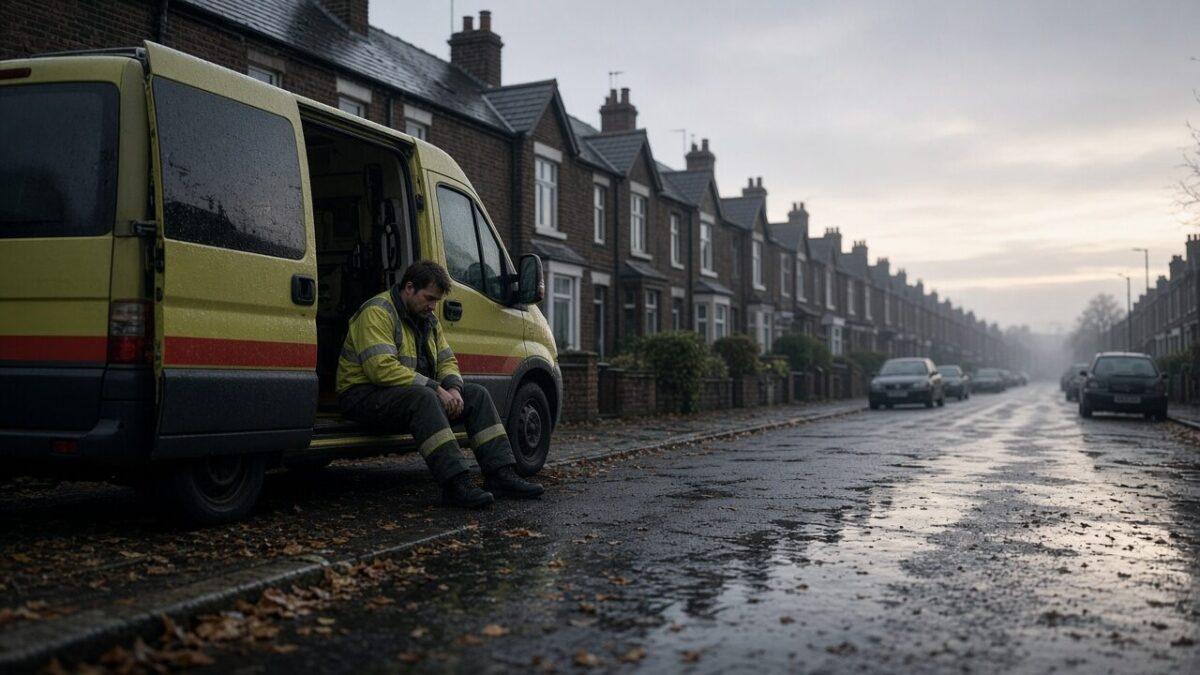
A paramedic and academic specializing in paramedic science says ambulance crews need time and support to recover between emergency calls. The academic points to research on work pressures and mental health among ambulance staff, including studies in the UK.
The demands can accumulate. Ambulance workers encounter death, serious injury and violence, sometimes with little time to process one call before the next.
A review of research on ambulance work found that long shifts, unpredictable duties and limited recovery time can add to the strain. In a separate UK study during the COVID-19 pandemic, ambulance staff reported worsening shortages and too little time to do their jobs.
Difficult decisions can cause distress
Paramedics describe caring for patients as one of the most rewarding parts of their work. When they cannot provide care they believe is needed, some experience moral distress: the strain of being prevented from doing what they believe is right.
One study examined how paramedics decide when to stop attempts to revive a patient whose heart has stopped. Some described continuing under guidelines even when they believed further attempts would not help.
In interviews at an ambulance service in England, staff said senior managers pressured crews to work faster while paying too little attention to their well-being.
The academic said managers should investigate recurring problems raised by crews and tell staff what they are doing about them. A conversation after a difficult call can also help a crew make sense of what happened, the academic said.
Training trial tested student support
In one interview study, paramedics said they wanted private time to talk after a call, often with a regular colleague. The academic said trusted colleagues or people outside work had helped participants in their own interviews process difficult calls.
Ambulance services may offer counseling or additional support after a major incident. Crews can also finish a shift worn down by several calls, even when no single call prompts that follow-up.
A trial involving 570 student paramedics tested an online program for managing distressing memories and reducing time spent dwelling on difficult experiences.
A year later, students offered the program were less likely to meet the criteria for post-traumatic stress disorder or major depression than those who continued their usual training.
 Take the quizWhat Kind of Holiday Spender Are You? Take the Black Friday QuizStart →





 Lifestyle · Food & HealthWhat Is Raynaud’s Syndrome? Why Fingers Turn White in the Cold
 Lifestyle · Food & Health4 Ways Walking After Meals Helps Your Body, Doctors Say
 Lifestyle · Food & Health4 Reasons to Eat Oatmeal, According to Nutrition Experts
 Lifestyle7 Signs Your Social Battery Is Running Low (and Why You Keep Cancelling Plans)