Lonnie Zwaigenbaum Urges Autism Care Built Around Good Lives
Canadian researcher Lonnie Zwaigenbaum and colleagues reviewed autism research published from 2019 to 2025. They found that more intensive interventions do not necessarily produce better results and called for care tailored to children and their families, with attention to relationships, enjoyment and everyday routines.
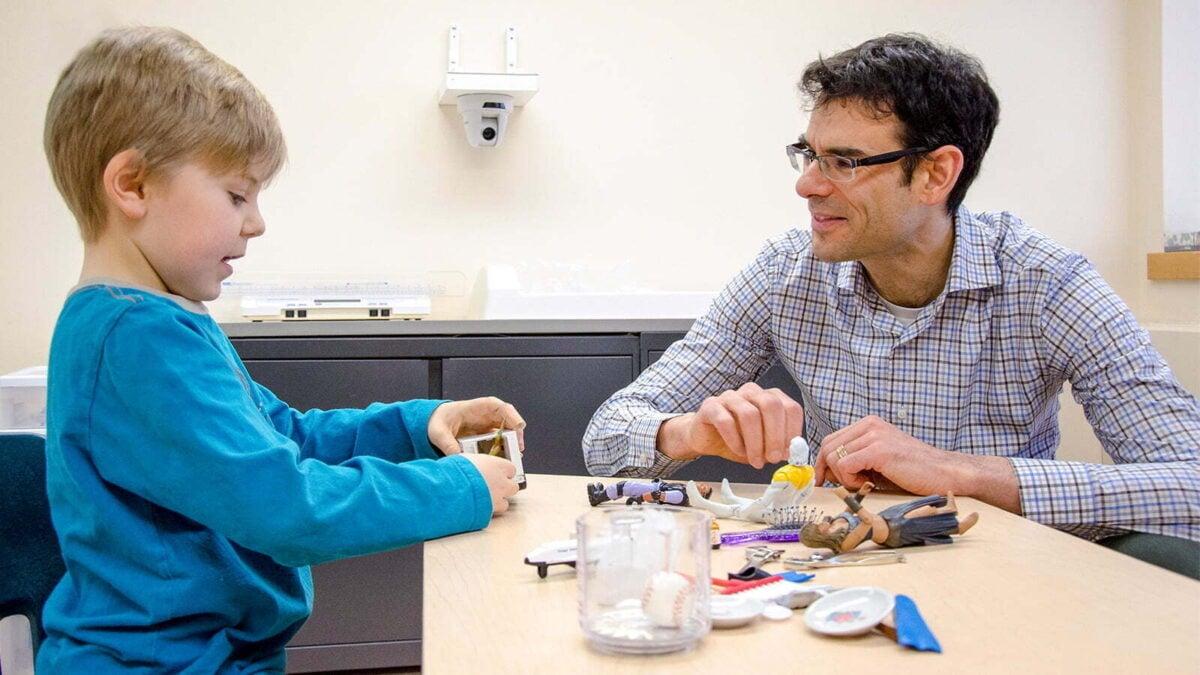
Canadian autism researcher Dr. Lonnie Zwaigenbaum and his colleagues have called for care that reflects autistic people’s experiences and supports a good life, after reviewing research published from 2019 to 2025.
The findings challenge a narrow focus on changing behavior. They also suggest that families and clinicians should tailor care to each child rather than assume more intensive treatment works better.
Zwaigenbaum co-led the review for the British Medical Journal with Canadian colleagues. It examined research on interventions and gaps in care.
“We are finally listening to the experiences of autistic people, including those who are non-speaking but have other ways to communicate, and to their family members,” he said.
Zwaigenbaum holds the Stollery Children’s Hospital Foundation Chair in Autism Research. He will soon become institute director of the Women and Children’s Health Research Institute.
More treatment is not always better
In reviewing 144 studies involving 9,038 children, the authors concluded that more intensive treatments do not necessarily produce better results.
They urged clinicians to work with families on medical, behavioral, educational and psychological interventions. The goal is to provide benefits without disrupting routines at home, at school and in the community.
Parents can draw on their strengths and circumstances to build learning opportunities into everyday activities, Zwaigenbaum said. “It’s more of a framework than a cookbook.”
The authors also said a child’s condition at diagnosis cannot predict how that individual will progress. They called for greater consistency in the outcomes researchers study.
They recommended a child-development framework created by Canadian researchers at McMaster University. It measures six areas: functioning, family, fitness, fun, friends and future.
Researchers track children into adulthood
The review also discussed the Pathways in Autism Spectrum Disorder study. It has followed children from diagnosis through preschool and elementary school and into their teen years.
Zwaigenbaum leads the study’s Edmonton site. The team considers children’s strengths and well-being alongside clinical measures.
He hopes to follow participants into adulthood, examining wellness as well as clinical outcomes. He is also a co-investigator for Social ABCs, an early intervention program for young children who show early features of autism and may not yet have a diagnosis.
Zwaigenbaum said stigma and barriers can affect autistic people’s quality of life and access to care. Ethnicity, gender, geography and economic circumstances can also affect autistic children.
He is starting a project to improve hospital experiences for autistic children and youth. It will complement Dr. Grant Bruno’s research into barriers Indigenous families face when seeking assessments and services for their children.
 Take the quizWhat Kind of Holiday Spender Are You? Take the Black Friday QuizStart →





 Lifestyle · Food & HealthWhat Is Raynaud’s Syndrome? Why Fingers Turn White in the Cold
 Lifestyle · Food & Health4 Ways Walking After Meals Helps Your Body, Doctors Say
 Lifestyle · Food & Health4 Reasons to Eat Oatmeal, According to Nutrition Experts
 Lifestyle7 Signs Your Social Battery Is Running Low (and Why You Keep Cancelling Plans)