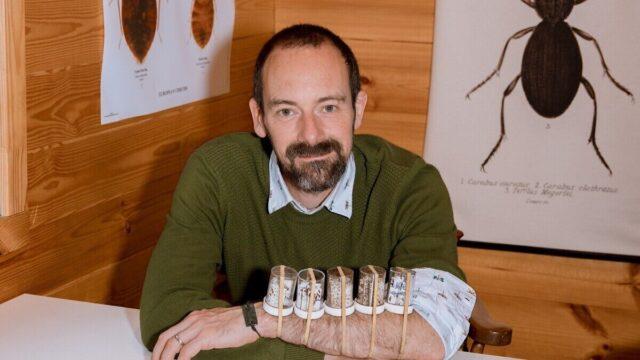
Andrew Sweetman’s Deep-Sea Rocks May Produce Oxygen
Metal-rich rocks on the Pacific seabed may help produce oxygen without sunlight, according to research led by deep-sea ecologist Andrew Sweetman. The proposed mechanism remains disputed, and a new expedition will use specialized equipment to test for hydrogen as well as oxygen.
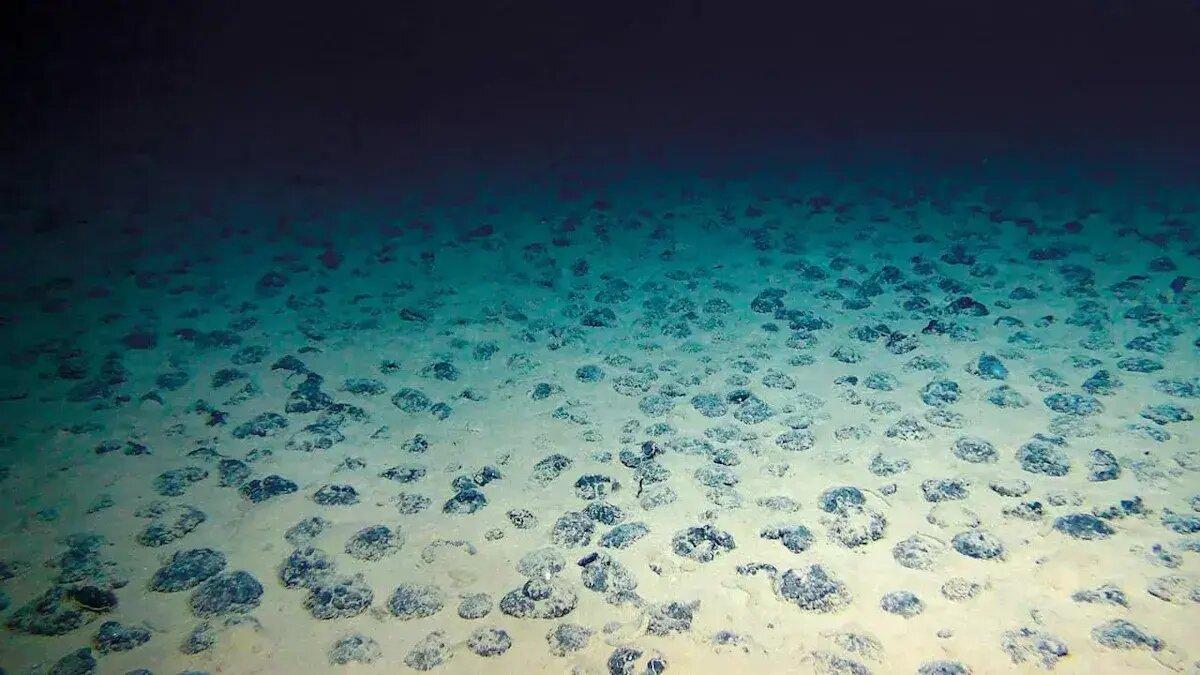
Deep-sea ecologist Andrew Sweetman recorded unexpected oxygen increases 4,000 meters beneath the Pacific Ocean in 2012, leading scientists to investigate ancient metal-rich rocks as a possible source.
The proposed explanation could change understanding of how oxygen forms in the deep ocean. It also raises questions about the effects of mining the rocks for metals used in electric vehicle batteries.
Sweetman, a researcher at the Scottish Association for Marine Science, first suspected faulty sensors. The readings persisted across multiple expeditions, including after he changed equipment and checked the water with chemical tests.
The measurements came from the Clarion-Clipperton Zone, an expanse of ocean floor between Hawaii and Mexico. Sunlight does not reach that depth, making photosynthesis impossible.
Oxygen rose in seabed tests
A 2024 Nature Geoscience study detailed 25 seafloor chamber experiments. Oxygen levels started at an average of 185 micromoles per liter and rose as high as 819 micromoles per liter within 47 hours.
Follow-up laboratory tests used filtered seawater. Sweetman's team concluded that sensor glitches or outside leaks could not explain the increase.
The researchers call oxygen produced without sunlight dark oxygen. Sweetman proposed that metal-rich rocks on the seabed might generate electricity that helps produce it.
The rounded rocks, known as polymetallic nodules, contain manganese, iron, cobalt, nickel and copper. They grow by a few millimeters every million years, forming mineral layers around pieces of ocean-floor debris.
Rock voltage offers a clue
In November 2022, Sweetman contacted Franz Geiger, an electrochemist at Northwestern University who studies electrical charges produced by metals interacting with saltwater.
Geiger's tests found voltages reaching up to 0.95 volts across the surface of individual nodules. An ordinary $50 hardware-store voltmeter could detect the charge.
That voltage falls short of the 1.23 volts typically needed for electrolysis, which uses electricity to split water into hydrogen and oxygen. Sweetman proposed that touching nodules might work together like batteries wired in series.
Not every nodule carries the same charge. Their metal layers do not establish on their own that the rocks produce oxygen.
New equipment will test theory
Critics have suggested trapped air bubbles or experimental errors could explain the oxygen increases. In April 2026, Nature Geoscience added an editor's note saying those concerns were under review.
A September 2026 reanalysis found no clear statistical link between nodule size and oxygen increases in the earlier experiments.
Sweetman stands by his team's findings. Engineers have built two deep-sea landers, Alisa and Kaia, with backing from the Nippon Foundation's Dark Oxygen Research Initiative.
The landers can withstand depths of up to 11 kilometers and measure oxygen, pH and hydrogen simultaneously. Kaia has been shipped for a new expedition to the Clarion-Clipperton Zone.
 Take the quizWhat Kind of Holiday Spender Are You? Take the Black Friday QuizStart →
- 1Brent Crude Slides 4.05% as Rising US Stockpiles Weigh on Oil
- 2UnitedHealth Shares Fall 10.2% Amid Medicare Audit Proposal

- 3Stock Market Today: Nasdaq and S&P 500 Futures Rise Ahead of Anthropic Debut

- 4PNB Shares Rally 5% as Bank Repeats Loan Growth Target

- 5Lainey Wilson and Devlin Hodges Married in Tennessee Cave

 Lifestyle · Food & HealthWhat Is Raynaud’s Syndrome? Why Fingers Turn White in the Cold
 Lifestyle · Food & Health4 Ways Walking After Meals Helps Your Body, Doctors Say
 Lifestyle · Food & Health4 Reasons to Eat Oatmeal, According to Nutrition Experts
 Lifestyle7 Signs Your Social Battery Is Running Low (and Why You Keep Cancelling Plans)