COVID Vaccines Linked to Better Cancer Survival in Study
US researchers found that patients with advanced melanoma or lung cancer who received COVID-19 mRNA vaccines alongside immunotherapy had better survival outcomes. The retrospective study cannot establish that vaccination caused the improvement, and clinical trials are needed to test the approach.
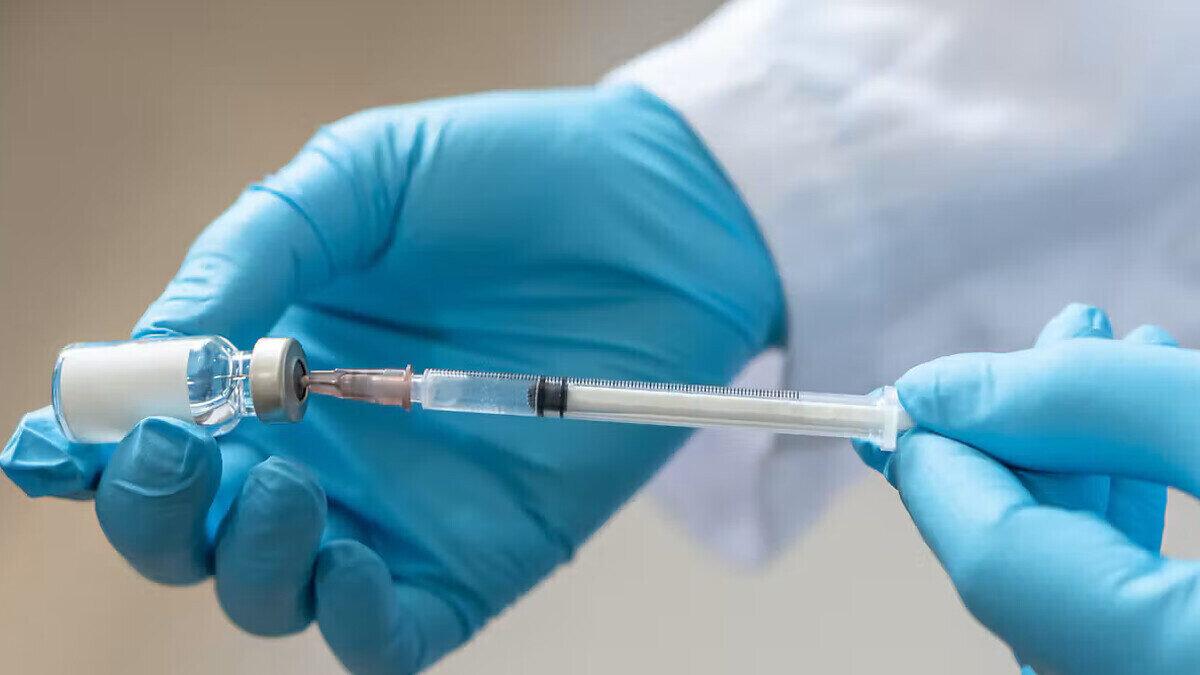
US researchers found better survival among advanced cancer patients who received COVID-19 mRNA vaccines alongside immunotherapy, according to a retrospective study.
Patients with melanoma or lung cancer who received the vaccines had nearly double the three-year survival rate of those receiving immunotherapy alone. The findings suggest a possible way to improve cancer treatment, but they do not establish that vaccination caused the difference.
Clinical trials will be needed to determine whether the approach works, which patients benefit and when vaccination should be given.
Survival findings need clinical trials
Researchers examined patient records after US physicians noticed that vaccinated cancer patients appeared to respond better to immunotherapy drugs.
The treatment studied was immune checkpoint inhibitor therapy. These drugs help immune cells recognize and kill cancer by releasing natural brakes on T cells, a type of white blood cell.
Those brakes normally help stop the immune system from attacking healthy tissue. Checkpoint inhibitors temporarily release them, allowing cancer-fighting T cells to multiply.
The drugs have changed treatment for patients with advanced metastatic cancer, which has spread beyond its original site. They currently work for about 30% of patients, however.
Researchers found that vaccine mRNA activates an immune sensor called MDA5, triggering a strong antiviral response. Their findings suggest that response may prepare the immune system to respond better to checkpoint inhibitors.
The patient data cannot prove that the vaccine itself improved survival. Trials are needed before researchers can establish whether the same approach helps patients across a wider range of cancers.
Other vaccines target individual tumors
Researchers are also studying personalized mRNA cancer vaccines alongside checkpoint inhibitors. These vaccines use abnormal proteins specific to each patient's cancer to help direct an immune response.
In trials, researchers encoded those proteins in mRNA and packaged it in microscopic fat droplets. The droplets protect the mRNA and carry it into immune cells.
One approach has shown encouraging results against pancreatic cancer, which is considered largely unresponsive to checkpoint inhibitors alone.
Personalized vaccines must be tailored to each patient, making them complex and prohibitively expensive to produce. Researchers hope the mRNA boosting effect could help them develop simpler vaccines without that customization.
Modern checkpoint inhibitor treatment began with the approval of ipilimumab, sold as Yervoy, in 2011. Pembrolizumab, sold as Keytruda, followed in 2014 for metastatic melanoma.
Immunotherapy has since been approved for more than 30 types of cancer.
 Take the quizWhat Kind of Holiday Spender Are You? Take the Black Friday QuizStart →
- 1Brent Crude Slides 4.05% as Rising US Stockpiles Weigh on Oil
- 2Stock Market Today: Nasdaq Rises at the Open While Dow Holds Near Flat

- 3UnitedHealth Shares Fall 10.2% Amid Medicare Audit Proposal

- 4Stock Market Today: Nasdaq and S&P 500 Futures Rise Ahead of Anthropic Debut

- 5Lainey Wilson and Devlin Hodges Married in Tennessee Cave

 Lifestyle · Food & HealthWhat Is Raynaud’s Syndrome? Why Fingers Turn White in the Cold
 Lifestyle · Food & Health4 Ways Walking After Meals Helps Your Body, Doctors Say
 Lifestyle · Food & Health4 Reasons to Eat Oatmeal, According to Nutrition Experts
 Lifestyle7 Signs Your Social Battery Is Running Low (and Why You Keep Cancelling Plans)