Plant-Based Eating Can Start With Simple Food Swaps
Dietitians recommend starting a plant-based diet with familiar meals and a few substitutions, rather than changing everything at once. They also advise paying attention to vitamin B12 and other nutrients, and seeking help from a registered dietitian when needed.

Registered dietitian Taylor Wolfram recommends replacing some animal foods with plant foods when starting a plant-based diet. Her suggestions include black bean tacos instead of beef and soy milk instead of dairy milk.
Start small, she advises. A gradual change can help people find meals they enjoy while planning for nutrients.
A plant-based diet consists primarily of fruits, vegetables, nuts, legumes, whole grains and seeds. It typically excludes animal-derived foods, including meat and dairy.
Veganism extends beyond food, Wolfram said. Someone following a plant-based diet may still buy animal products such as wool clothing or leather accessories.
Familiar Meals Make Changes Easier
Wolfram also suggests tofu stir-fries as an option. “It doesn’t have to be complicated,” she said.
Registered dietitian and nutritionist Alyssa Fontaine said finding new recipes and learning to prepare unfamiliar ingredients can be challenging. She recommends spending extra time on meal preparation and cooking skills at the beginning.
One approach Fontaine suggests is finding 10 vegan meals to enjoy and repeating them until preparing them becomes second nature. She said that can make meal planning, shopping and cooking easier.
For restaurant meals, Academy of Nutrition and Dietetics spokesperson Sue-Ellen Anderson-Hayes recommends checking menus beforehand. Options she suggests include black bean burgers, black bean and corn salad, hummus and falafel.
Protein and Nutrients Need Planning
Protein is a common concern for people considering the switch, Fontaine said. Plant sources include beans, soy, tofu, peas and nuts.
“Inadequate protein intake is not a concern on a vegan or plant-based diet when the diet is properly planned,” Anderson-Hayes said. She noted that nutritional deficiencies can occur across dietary patterns without proper planning.
Vitamin B12 requires particular attention because plants do not make it, said Damien Watson, a spokesperson for the Vegan Society. The vitamin helps support the nervous system.
Anderson-Hayes also suggests sea vegetables or seaweed for iodine. She recommends fortified foods such as nutritional yeast and soy milk for vitamin D and calcium.
Plant-based diets are associated with a lower risk of cardiovascular disease, type 2 diabetes and several cancers. They also tend to contain more fiber and less saturated fat and cholesterol.
Fontaine said replacing meat with legumes, nuts and seeds adds fiber, which can help digestion and bowel regularity. The United Nations recommends a shift away from meat-heavy diets as a way to reduce personal carbon footprints.
Wolfram recommends consulting a registered dietitian because nutritional needs differ. For people who cannot afford one, she suggests free resources such as VeganHealth.org, which she said is written by vegan registered dietitians.
 Take the quizWhat Kind of Holiday Spender Are You? Take the Black Friday QuizStart →
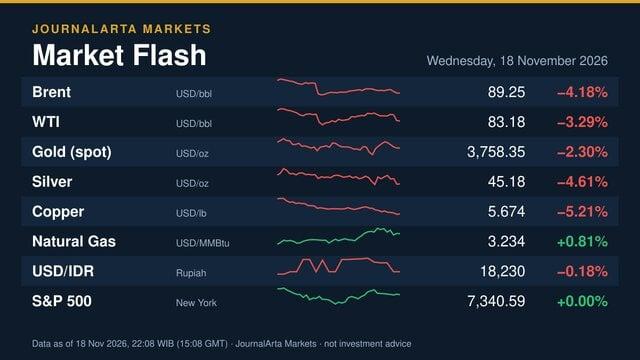
- 1Brent Crude Slides 4.05% as Rising US Stockpiles Weigh on Oil
- 2UnitedHealth Shares Fall 10.2% Amid Medicare Audit Proposal

- 3Stock Market Today: Nasdaq Rises at the Open While Dow Holds Near Flat

- 4Stock Market Today: Nasdaq and S&P 500 Futures Rise Ahead of Anthropic Debut

- 5PNB Shares Rally 5% as Bank Repeats Loan Growth Target

 Lifestyle · Food & HealthWhat Is Raynaud’s Syndrome? Why Fingers Turn White in the Cold
 Lifestyle · Food & Health4 Ways Walking After Meals Helps Your Body, Doctors Say
 Lifestyle · Food & Health4 Reasons to Eat Oatmeal, According to Nutrition Experts
 Lifestyle7 Signs Your Social Battery Is Running Low (and Why You Keep Cancelling Plans)