Childhood Medical Radiation Linked to Brain Tumor Risk
A study of more than 3.7 million children in the United States and Canada found a link between higher radiation doses from medical imaging and brain tumor risk. Researchers said the risk remained small and urged clinicians to balance it against the benefits of necessary scans.
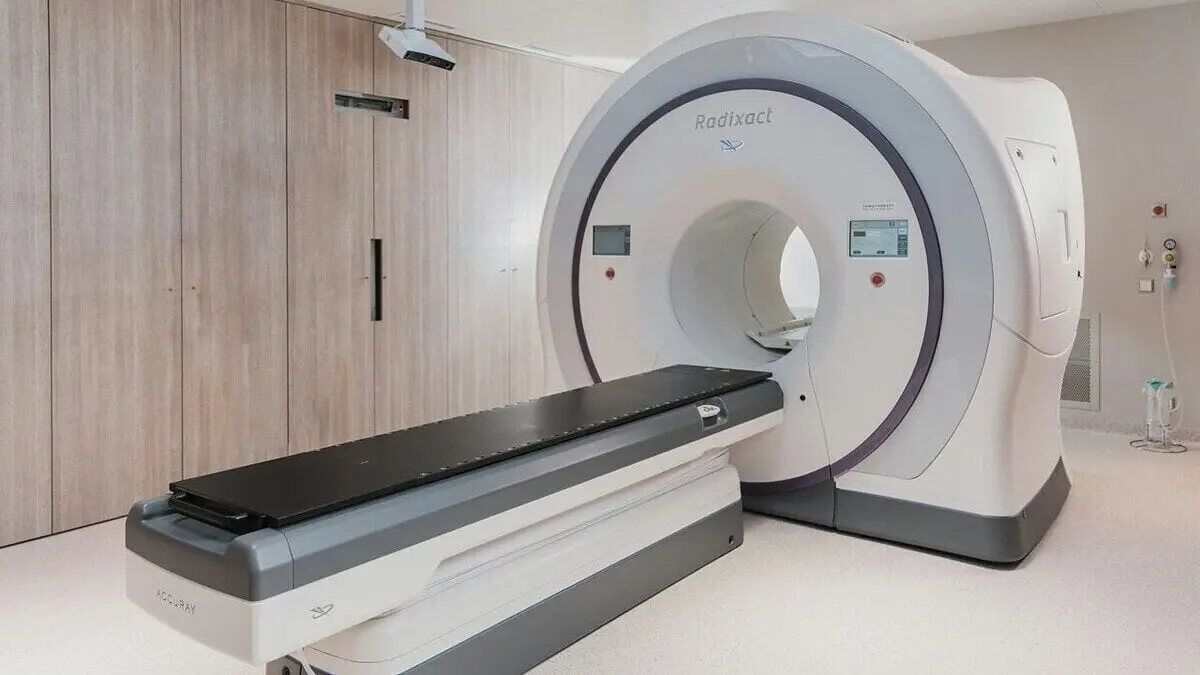
Researchers at UC Davis and UC San Francisco found that children exposed to more radiation from medical scans had a higher brain tumor risk. The study followed children in the United States and Ontario, Canada, and found that the risk remained small.
The findings support careful decisions about scans that use ionizing radiation, including computed tomography, or CT. Researchers said doctors should use the lowest practical dose when imaging is needed.
The study included more than 3.7 million children, followed from birth for an average of 12.3 years. Researchers examined electronic medical records to estimate cumulative radiation doses to the brain from medical imaging.
Risk rose with radiation dose
Among the children studied, 1,536 brain tumors were diagnosed. More than half, or 55.7%, occurred in males, and 64.5% were diagnosed between ages 2 and 10.
Researchers classified tumors by their expected clinical behavior. Most, or 82.5%, were considered aggressive.
Exposure equivalent to one head CT scan was associated with a 1.8-fold increased brain tumor risk. Researchers estimated that amounted to about eight additional brain tumors per 10,000 children by age 21.
They also estimated approximately one excess tumor per 1,266 head CT examinations. The association between cumulative radiation dose and risk was stronger for aggressive tumors.
During follow-up, 4.3% of children had one head CT, 0.9% had two and 0.4% had three or more. Among children diagnosed with a brain tumor, 1.6% had two head CTs and 1.2% had three or more.
Researchers estimated that 10.1% of brain tumors in children and adolescents may be attributed to radiation from medical imaging. The study was published in JAMA.
Researchers urge careful scan decisions
Ionizing radiation is a powerful form of energy that can alter cells and DNA. Medical uses include X-rays, CT scans and other procedures that diagnose conditions or guide treatment.
The head is the most commonly imaged body region in children. A head CT delivers a substantially higher radiation dose to the brain than most other imaging types.
Study first author Diana Miglioretti, a UC Davis Health professor and biostatistics chief, said necessary scans should not be avoided. “These examinations can be lifesaving,” she said.
Researchers said clinicians must weigh imaging’s immediate benefits against a small, delayed cancer risk. That decision can be important after minor head trauma, when a scan may not always be necessary.
Senior author Rebecca Smith-Bindman, a radiologist and UC San Francisco professor, said head CT is valuable in the right setting, including assessing bleeding after severe trauma. She also said it is overused.
 Take the quizWhat Kind of Holiday Spender Are You? Take the Black Friday QuizStart →
- 1Brent Crude Slides 4.05% as Rising US Stockpiles Weigh on Oil

- 2UnitedHealth Shares Fall 10.2% Amid Medicare Audit Proposal

- 3Stock Market Today: Nasdaq Rises at the Open While Dow Holds Near Flat

- 4Stock Market Today: Nasdaq and S&P 500 Futures Rise Ahead of Anthropic Debut

- 5PNB Shares Rally 5% as Bank Repeats Loan Growth Target

 Lifestyle · Food & HealthWhat Is Raynaud’s Syndrome? Why Fingers Turn White in the Cold
 Lifestyle · Food & Health4 Ways Walking After Meals Helps Your Body, Doctors Say
 Lifestyle · Food & Health4 Reasons to Eat Oatmeal, According to Nutrition Experts
 Lifestyle7 Signs Your Social Battery Is Running Low (and Why You Keep Cancelling Plans)