Australia Safeguard Mechanism & CCS: ACCU Economics
Australia's Safeguard Mechanism drives industrial emitters toward large-scale carbon capture and storage, anchored by a 4.9% annual baseline decline and Clean Energy Regulator ACCU issuance.

Under Australia's reformed Safeguard Mechanism, industrial carbon capture and storage (CCS) has shifted from a voluntary offset option to a core compliance lever for facilities emitting above 100,000 tonnes of CO2-e annually. With default baselines declining 4.9% per year under DCCEEW rules, projects like Santos Moomba CCS directly shape corporate Australian Carbon Credit Unit (ACCU) exposure.
- Facility Threshold: The Clean Energy Regulator (CER) applies Safeguard Mechanism baselines to industrial sites exceeding 100,000 tonnes of CO2-e per year.
- 4.9% Annual Decline: Default emissions baselines fall by 4.9% annually, forcing LNG, mining, and refining operators to cut on-site emissions or surrender credits.
- Cost Containment Cap: Liable emitters exceeding baselines can buy ACCUs from the CER at an indexed price cap introduced at AUD $75 per ACCU for 2023–24.
- Moomba CCS Scale: Santos Moomba CCS Phase 1 carries a design storage capacity of up to 1.7 million tonnes of CO2-e per year in Cooper Basin reservoirs.
Safeguard Mechanism Baselines and ACCU Price Ceiling
Reformed Safeguard Mechanism rules compel Australia's largest LNG exporters, alumina refineries, and mineral processors to narrow their net emissions gap every compliance year. When on-site abatement lags the 4.9% annual baseline trajectory, operators must manage deficits by generating or purchasing Safeguard Mechanism Credits (SMCs) or surrendering Australian Carbon Credit Units (ACCUs).
To prevent extreme compliance shocks in secondary carbon markets, the federal government established a cost containment measure allowing liable entities to purchase ACCUs directly from the Clean Energy Regulator at a fixed, indexed ceiling introduced at AUD $75 per tonne. This regulatory ceiling creates a clear capital allocation benchmark when comparing open-market credit purchases against capital-intensive CCS retrofits and industrial compression equipment from vendors such as SLB Capturi. For CFOs and treasury teams managing commodity margins, the indexed cap turns carbon liability into a bounded financial variable rather than an uncapped spot-market risk.
Credit Supply vs. Secondary Market Liquidity
Because large-scale CCS projects generate high unit volumes, investors often assume new issuances will immediately depress secondary ACCU prices. In practice, liable resource operators typically absorb self-generated units into their own compliance ledgers to meet tightening 2030 baselines, leaving third-party buyers competing for remaining tradeable supply.
Industrial CCS Supply Chain: Moomba and Geological Storage
Large-scale geological storage in Australia relies on depleted onshore gas reservoirs and deep saline formations connected to existing processing hubs. Key operational benchmarks from Santos and the Clean Energy Regulator illustrate how physical injection converts into compliance assets:
- Santos Moomba CCS Capacity: Operated by Santos with joint-venture partner Beach Energy, Phase 1 targets up to 1.7 million tonnes of CO2-e permanent storage annually in South Australia's Cooper Basin.
- Historic CER Issuance: The Clean Energy Regulator issued 614,133 ACCUs to Santos under the approved CCS method for its initial operational milestone phase.
- Internal Compliance Retention: Major emitters typically retain generated ACCUs internally to offset their own Safeguard Mechanism liabilities and corporate net-zero targets rather than selling large volumes onto the secondary open market.
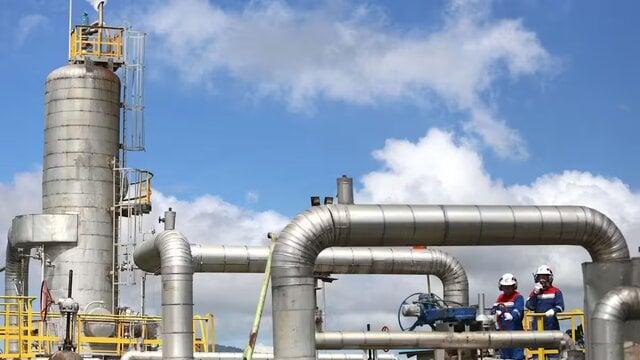
- Pipeline and Compression Logistics: Capturing CO2 from natural gas processing requires dedicated dehydration, compression, and high-pressure pipeline transport to depleted underground reservoirs.
- Global Policy Divergence: Unlike the UK's cluster-based Contracts for Difference model or North American tax-credit incentives, Australia relies on baseline-and-credit liability pressure.
Supply-chain buyers comparing cross-jurisdictional decarbonization costs can contrast Australia's credit-cap structure with European and North American regulatory frameworks in our UK Carbon Capture Technology: 2026 Rules and Cluster Costs analysis. Engineering teams tracking industrial capture hardware developments can also review Oregon State’s BVR-X Keeps Capturing Carbon in Humid Exhaust.
Verification, Permanence, and Long-Term Liability
Generating ACCUs under the Clean Energy Regulator's CCS method requires rigorous measurement, reporting, and verification (MRV) across injection wells, surface compression trains, and subsurface monitoring arrays. Operators must demonstrate permanent geological containment over multi-decade horizons and maintain contingency protocols for pressure anomalies or wellbore integrity events. These monitoring obligations add recurring operating expenditure on top of initial capture and pipeline capital costs.
For corporate buyers evaluating Australian natural gas or mineral suppliers, understanding the distinction between Safeguard Mechanism Credits (SMCs) and ACCUs is equally critical. SMCs are generated only when a covered Safeguard facility beats its assigned emissions baseline, whereas ACCUs originate from registered abatement projects such as Moomba CCS and can be used across broader compliance and voluntary carbon portfolios.
Because SMCs cannot be generated by non-Safeguard entities, industrial facilities with steep baseline-reduction trajectories treat internal CCS abatement as both an emissions hedge and a balance-sheet asset. When evaluating multi-year LNG or metals offtake contracts, institutional procurement teams increasingly require quarterly disclosure of net Safeguard deficits, ACCU surrender schedules, and verified CO2 injection volumes.
Capital Allocation for Australian Resource Buyers
Industrial operators with long-lived LNG, iron ore, or smelting assets near depleted basins should evaluate CCS tie-ins whenever internal abatement costs stay below the indexed CER cost containment cap. Facilities located far from geological storage hubs face higher pipeline transport, compression capex, and measurement-and-verification overhead, and should lock in multi-year ACCU or SMC supply agreements early to hedge against annual 4.9% baseline tightening.
For institutional buyers and corporate off-takers sourcing Australian metals or LNG, auditing a supplier's net Safeguard Mechanism exposure, multi-year baseline trajectory, and internal ACCU coverage is now essential to forecasting delivered commodity premiums across 2030 supply contracts.
 Take the quizWhat Kind of Holiday Spender Are You? Take the Black Friday QuizStart →
- 1Stock Market Today: Dow Slides 1.34% and VIX Jumps 15% at Midday

- 2Joachim Klement to Sell Stocks After S&P 500 Signal

- 3Stock Market Today: Nasdaq, S&P 500 Futures Slide as AI Selloff Deepens

- 4Kenneth Walker’s Groin Injury Puts Cardinals Game in Doubt

- 5Pat Cummins Faces Captaincy Doubts From Mitchell Johnson

 Lifestyle · Food & HealthNormal Blood Pressure Chart by Age: Healthy Ranges Explained
 Lifestyle · Food & HealthWhat Is Raynaud’s Syndrome? Why Fingers Turn White in the Cold
 Lifestyle · Food & Health4 Ways Walking After Meals Helps Your Body, Doctors Say
 Lifestyle · Food & Health4 Reasons to Eat Oatmeal, According to Nutrition Experts