Australia’s Diners Push Food Around Plates as Drug Use Grows
Australia’s food businesses are adjusting to growing use of appetite-suppressing weight-loss drugs. Meal delivery company Marley Spoon says 12% of its sales are meals designed to support users, while supermarkets are expanding protein-rich options and restaurants are watching for changes in demand.
Australia’s food businesses are changing their offerings as weight-loss drug use grows and some diners push food around their plates. Meal delivery company Marley Spoon says 12% of its sales are meals designed to support people taking the medications.
The shift has implications for Australia’s $160 billion food and grocery sector. Supermarkets, restaurants and delivery businesses are considering portion sizes and ingredients as customers seek more protein and fiber.
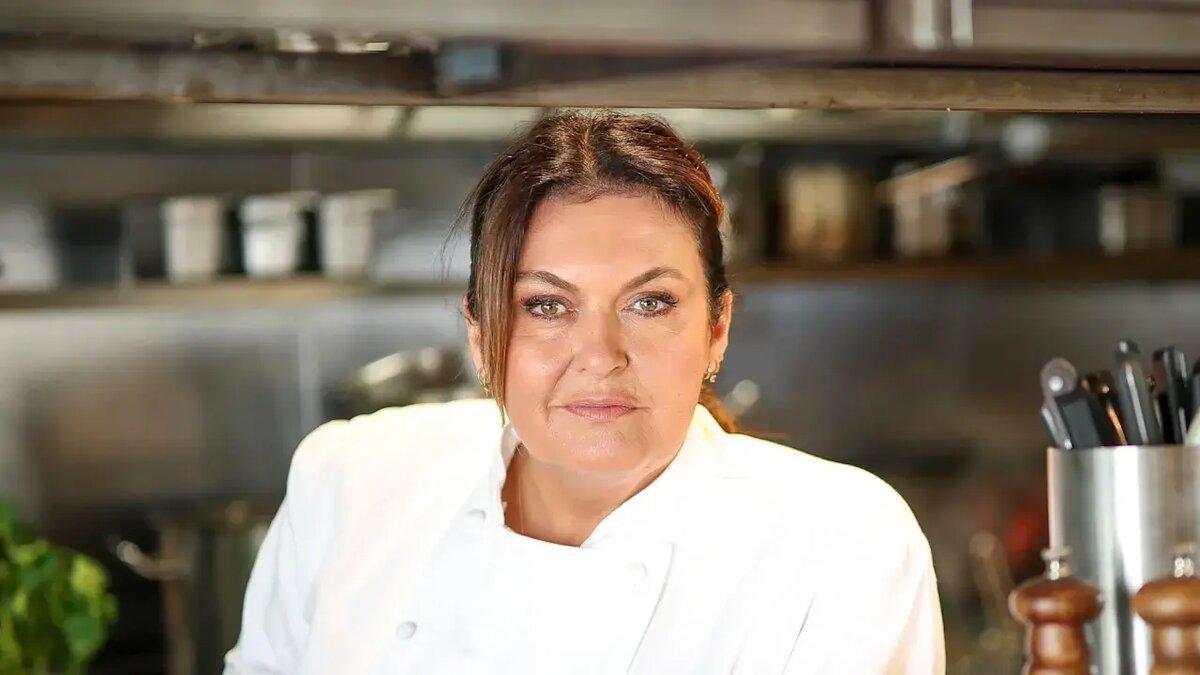
Restaurateur and cookbook author Karen Martini says she has seen diners order too much food and leave it uneaten. She has observed the behavior in restaurants in Melbourne, Sydney and Europe.
Meal sellers add protein and fiber
Marley Spoon’s support meals are smaller and low in fat, with at least 20 grams of protein and six grams of fiber. The meals are designed to be easy to digest, according to the company’s leader, Rolf Weber.
Rice brand Sunrice says 28% of Australians seek high-protein foods when shopping. It has released Protein+ Rice, which contains 10 grams of protein from beef-derived collagen peptides.
Supermarket Coles says eggs, mince, fresh produce, fiber-rich foods and balanced meals are increasingly popular. It is looking at opportunities in ready-made meals, prepared fresh produce and salads.
Woolworths says it has expanded its range of protein- and fiber-rich foods. Protein-boosted options include snack bars, yogurts, milks and ready-to-eat meals.
An EY survey found users reported dining out 44% less. Wes Lambert, chief executive of the Australian Restaurant and Cafe Association, says use remains too low to have a meaningful effect on restaurant visits and revenue.
Some venues in higher-income areas have reported customers choosing higher-quality items instead of less healthy orders, Lambert says.
Drug costs and nutrition concerns
Australia’s medicine regulator has approved two weight-loss pills: Eli Lilly’s Foundayo and Novo Nordisk Pharmaceuticals’ Wegovy pill. The tablets offer an alternative to weekly injections, although users face costs when taking the drugs for weight loss alone.
Australia’s Pharmaceutical Benefits Scheme subsidizes the drugs for type 2 diabetes and cardiovascular disease, but not for weight loss alone. People seeking them solely for weight loss pay hundreds of dollars a month.
The Department of Health says negotiations on a potential subsidy for weight management are ongoing. A decision is due on expanding a listing to patients with obesity and a history of heart attack, stroke or peripheral arterial disease.
The drugs reduce appetite, but users can face nutritional deficiency and muscle loss. Dietitians Australia president Dr Fiona Willer says users who do not plan meals or receive health monitoring risk malnutrition.
“You get full on much less food than before, so every mouthful counts when you’re on these drugs,” Willer says.
 Take the quizWhat Kind of Holiday Spender Are You? Take the Black Friday QuizStart →
- 1Stock Market Today: Dow Slides 1.34% and VIX Jumps 15% at Midday

- 2Joachim Klement to Sell Stocks After S&P 500 Signal

- 3Stock Market Today: Nasdaq, S&P 500 Futures Slide as AI Selloff Deepens

- 4Kenneth Walker’s Groin Injury Puts Cardinals Game in Doubt

- 5Pat Cummins Faces Captaincy Doubts From Mitchell Johnson

 Lifestyle · Food & HealthNormal Blood Pressure Chart by Age: Healthy Ranges Explained
 Lifestyle · Food & HealthWhat Is Raynaud’s Syndrome? Why Fingers Turn White in the Cold
 Lifestyle · Food & Health4 Ways Walking After Meals Helps Your Body, Doctors Say
 Lifestyle · Food & Health4 Reasons to Eat Oatmeal, According to Nutrition Experts