Huntsman Study Finds Shorter Radiation Course Safe
A clinical trial involving 898 patients found that a shorter radiation course did not worsen cancer outcomes or reconstruction complications after mastectomy. The findings could reduce treatment-related travel and time away from home for some breast cancer patients.
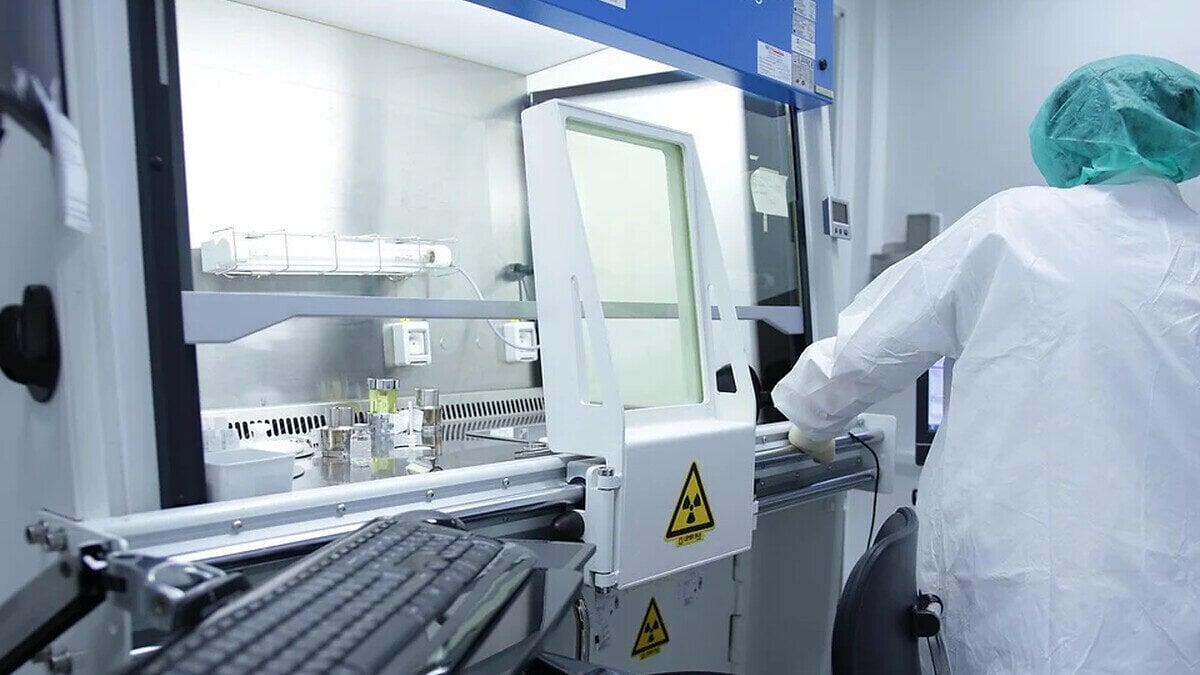
A shorter course of radiation did not worsen cancer outcomes or reconstruction complications after mastectomy, a study led by Huntsman Cancer Institute found. The trial involved 898 eligible patients in the United States and Canada.
The findings could make treatment more convenient for breast cancer patients who undergo breast removal and reconstruction. The shorter course requires fewer radiation sessions than the standard schedule.
Patients in the RT CHARM trial received either 16 sessions over three to four weeks or 25 sessions over five to six weeks. The Alliance for Clinical Trials in Oncology conducted the trial at 209 academic and community sites.
The results were published in the Journal of Clinical Oncology.
Matthew Poppe, a Huntsman Cancer Institute physician-scientist and the study’s first author, said recurrence rates were no higher with the shorter course.
“We have been trying to establish shorter, more cost-effective, and more convenient courses of radiation for breast cancer patients,” Poppe said.
Short-course radiation delivers a stronger daily dose but less radiation overall. Doctors had been concerned that the higher daily dose might worsen complications after reconstruction, Poppe said.
Those complications can include infection, poor wound healing and hardening of scar tissue. Breast reconstruction uses an implant or the patient’s own tissue to recreate the breast’s shape.
Doctors recommend radiation after breast removal for many patients. It has been shown to improve survival for patients with larger tumors or cancer in their lymph nodes.
Poppe said shorter treatment could help patients who travel long distances to Huntsman Cancer Institute. Nearly a third of its patients travel more than 150 miles for cancer care.
“Giving our patients the option to choose short-course radiation will require significantly less travel time and less time away from their lives and families,” Poppe said.
Poppe’s next report will examine cosmetic results and patients’ reports of their reconstruction outcomes after short-course radiation.
 Take the quizWhat Kind of Holiday Spender Are You? Take the Black Friday QuizStart →
- 1Stock Market Today: Dow Slides 1.34% and VIX Jumps 15% at Midday

- 2Joachim Klement to Sell Stocks After S&P 500 Signal
- 3Stock Market Today: Nasdaq, S&P 500 Futures Slide as AI Selloff Deepens
- 4Kenneth Walker’s Groin Injury Puts Cardinals Game in Doubt

- 5Pat Cummins Faces Captaincy Doubts From Mitchell Johnson

 Lifestyle · Food & HealthNormal Blood Pressure Chart by Age: Healthy Ranges Explained
 Lifestyle · Food & HealthWhat Is Raynaud’s Syndrome? Why Fingers Turn White in the Cold
 Lifestyle · Food & Health4 Ways Walking After Meals Helps Your Body, Doctors Say
 Lifestyle · Food & Health4 Reasons to Eat Oatmeal, According to Nutrition Experts