COP31 Draft Climate Text Omits Fossil Fuel Transition
The latest COP31 draft sets out decisions for countries to negotiate in Turkey, but leaves out an earlier commitment to transition away from fossil fuels. It also projects warming of around 2.6°C if national climate plans are fully implemented and identifies a major funding gap for developing countries.
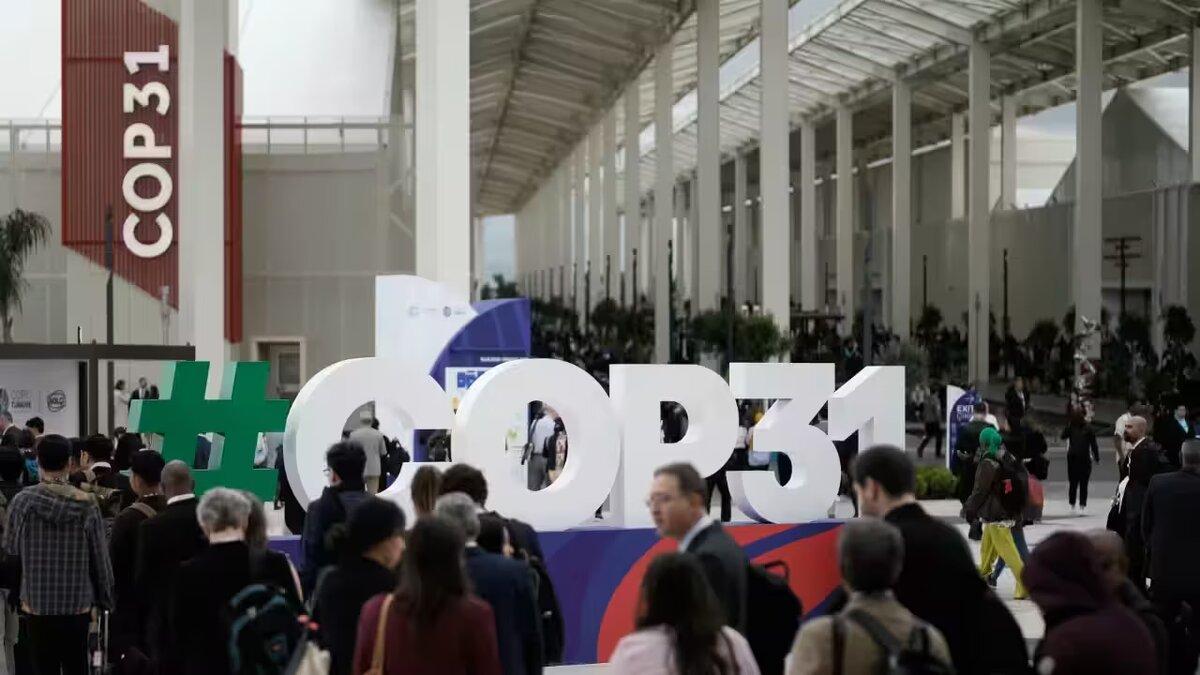
The COP31 draft climate text leaves out a previous commitment to transition away from fossil fuels, as countries negotiate decisions in Turkey that could shape global climate action. It projects warming of around 2.6°C if national climate plans are fully implemented, above the Paris Agreement’s temperature goals.
The draft is not a new treaty. Its decisions and resolutions would have legal force in the context of the Paris Agreement, but all parties must agree to the final text.
Fossil fuel pledge left out
The draft describes a global transition toward low greenhouse gas emissions and climate-resilient development as irreversible. It does not repeat the commitment to transition away from fossil fuels made at COP28 in Dubai in 2023.
The Arab group, led by Saudi Arabia, as well as Russia and some developing-country allies, want the broader language to replace the earlier fossil fuel commitment.
The draft reaffirms the Paris Agreement and points to progress in reducing projected warming. It cites projections of more than 4°C before the agreement, compared with around 2.6°C if national climate plans are fully implemented.
The Paris Agreement set a limit of well below 2°C in 2015, alongside an aspiration to limit warming to 1.5°C.
Draft warns of warming risks
The text expresses deep concern that peak global warming is projected to exceed 1.5°C above preindustrial levels. It says risks and impacts would be much lower at 1.5°C than at 2°C.
It also says every increment of warming above current levels will increase the frequency and intensity of loss and damage. Some impacts on people and natural systems could be irreversible.
The draft calls for deep, rapid and sustained emissions reductions. It also urges support to help countries and communities prepare for, adapt to and recover from climate impacts.
As of November 18, 2026, the draft says, 167 parties had submitted new national climate plans. Those plans set out countries’ emissions-cutting goals and actions.
Developing countries face funding gap
The draft estimates that developing countries’ costed needs in their national climate plans total USD 5.1–6.8 trillion up until 2030. It puts adaptation finance needs at USD 305 billion annually up until 2035.
Adaptation covers measures to protect countries and communities from climate impacts. The draft notes a gap between climate finance flows and needs, particularly for adaptation in developing countries.
The text also proposes a work program on mountains and climate change. Its aims include stronger disaster risk reduction, observations and early warning systems for vulnerable mountain regions and glacier-dependent communities.
The draft calls for a high-level dialogue on mountains and climate change at COP32.
 Take the quizWhat Kind of Holiday Spender Are You? Take the Black Friday QuizStart →
- 1Stock Market Today: Dow Slides 1.34% and VIX Jumps 15% at Midday

- 2Joachim Klement to Sell Stocks After S&P 500 Signal
- 3Stock Market Today: Nasdaq, S&P 500 Futures Slide as AI Selloff Deepens
- 4Kenneth Walker’s Groin Injury Puts Cardinals Game in Doubt

- 5Pat Cummins Faces Captaincy Doubts From Mitchell Johnson

 Lifestyle · Food & HealthNormal Blood Pressure Chart by Age: Healthy Ranges Explained
 Lifestyle · Food & HealthWhat Is Raynaud’s Syndrome? Why Fingers Turn White in the Cold
 Lifestyle · Food & Health4 Ways Walking After Meals Helps Your Body, Doctors Say
 Lifestyle · Food & Health4 Reasons to Eat Oatmeal, According to Nutrition Experts