USC Researchers Link Two Understudied Chemicals to Liver Cancer
A USC study found higher odds of liver cancer among people with the highest exposure to two little-studied forever chemicals. The association with one chemical was stronger among people genetically susceptible to fatty liver disease. Researchers analyzed blood samples taken before cancer diagnoses.
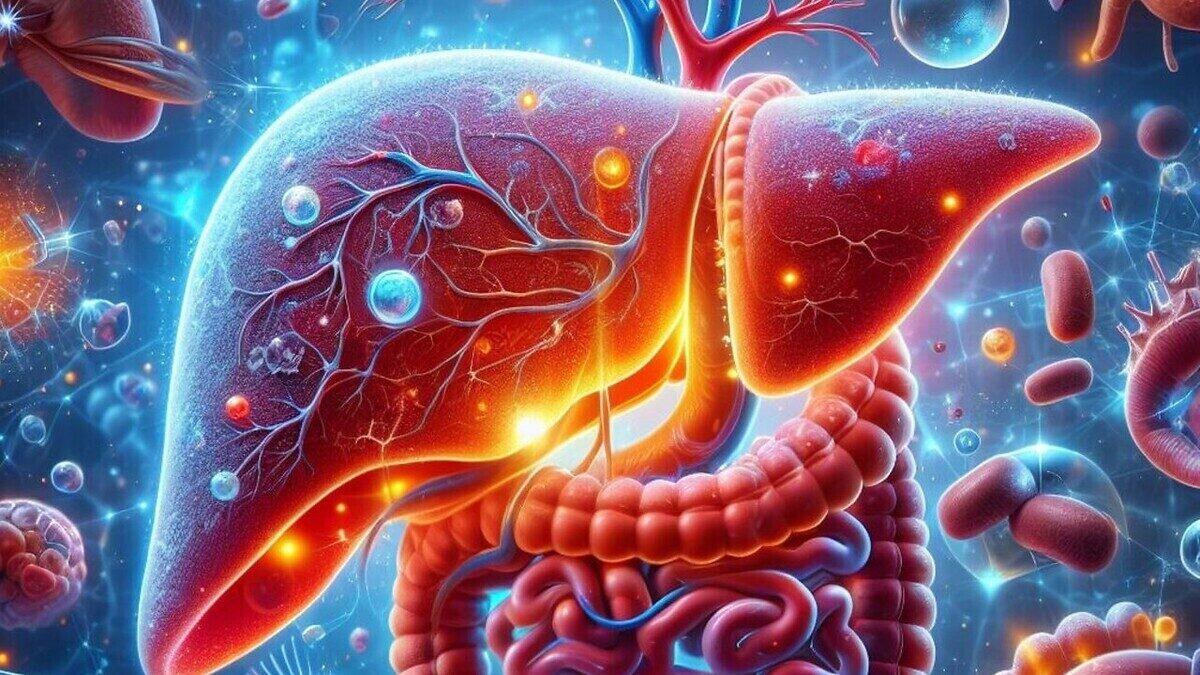
USC researchers have linked two understudied forever chemicals to higher odds of liver cancer, according to a study published in Environmental Health Perspectives. The association with one chemical was strongest in people genetically susceptible to fatty liver disease.
The findings show an association, not proof that the chemicals caused cancer.
Researchers examined blood samples from 223 people who later developed hepatocellular carcinoma, the most common form of liver cancer, and 223 matched controls. The samples were drawn an average of 7.8 years before diagnosis.
Of 12 chemicals measured, two were significantly associated with liver cancer risk: PFHpA and PFNA. People with the highest exposure levels had 2 to 2.5 times the odds of developing liver cancer compared with those with the lowest levels.
PFHpA and PFNA belong to a group of per- and polyfluoroalkyl substances, or PFAS. These chemicals are used in products including nonstick cookware, food packaging, stain-resistant fabrics and firefighting foam.
They break down extremely slowly and can persist in the environment and the human body for years or decades. PFAS have been found in drinking water across roughly half of US water systems.
Genetics shaped one chemical's link
The link between PFHpA and liver cancer was much stronger among people with high genetic susceptibility to fatty liver disease. The study found no significant association among those with low genetic susceptibility.
Researchers assessed susceptibility using a score based on genetic variants associated with fatty liver disease. The study is the first to investigate how genetics and PFAS together may affect liver cancer risk.
Lead author Jesse Goodrich, an assistant professor of environmental health at the Keck School of Medicine of USC, said: “Our study shows that genetic differences in how the liver processes fats may play an important role in determining susceptibility.”
Fatty liver disease is the fastest-growing driver of hepatocellular carcinoma. The cancer has a five-year survival rate of less than 20%.
Researchers look beyond older chemicals
PFHpA was developed as an alternative to older PFAS that were phased out amid concerns about their persistence in the human body. Those older compounds have received much of the scientific and regulatory attention, said senior author Vaia Lida Chatzi.
“We can miss important associations with liver health if we study only the chemicals we already know best,” said Chatzi, a professor at the Keck School of Medicine.
The PFHpA finding independently confirms a National Cancer Institute study published two months earlier that also linked the chemical to liver cancer risk.
The blood samples came from the Multiethnic Cohort Study, which has tracked more than 215,000 racially and ethnically diverse participants across California and Hawaii since the 1990s.
The team plans to expand its analysis to a wider range of environmental exposures.
 Take the quizWhat Kind of Holiday Spender Are You? Take the Black Friday QuizStart →
- 1Stock Market Today: Dow Slides 1.34% and VIX Jumps 15% at Midday

- 2Joachim Klement to Sell Stocks After S&P 500 Signal

- 3Stock Market Today: Nasdaq, S&P 500 Futures Slide as AI Selloff Deepens

- 4Kenneth Walker’s Groin Injury Puts Cardinals Game in Doubt

- 5Pat Cummins Faces Captaincy Doubts From Mitchell Johnson

 Lifestyle · Food & HealthNormal Blood Pressure Chart by Age: Healthy Ranges Explained
 Lifestyle · Food & HealthWhat Is Raynaud’s Syndrome? Why Fingers Turn White in the Cold
 Lifestyle · Food & Health4 Ways Walking After Meals Helps Your Body, Doctors Say
 Lifestyle · Food & Health4 Reasons to Eat Oatmeal, According to Nutrition Experts