ICJ’s Rohingya Genocide Ruling Offers Clues for Gaza Case
The International Court of Justice’s finding against Myanmar does not decide South Africa’s genocide case against Israel. Legal experts say the ruling clarifies how judges can assess evidence of intent, a central question in both cases. Myanmar has called the judgment unfair.
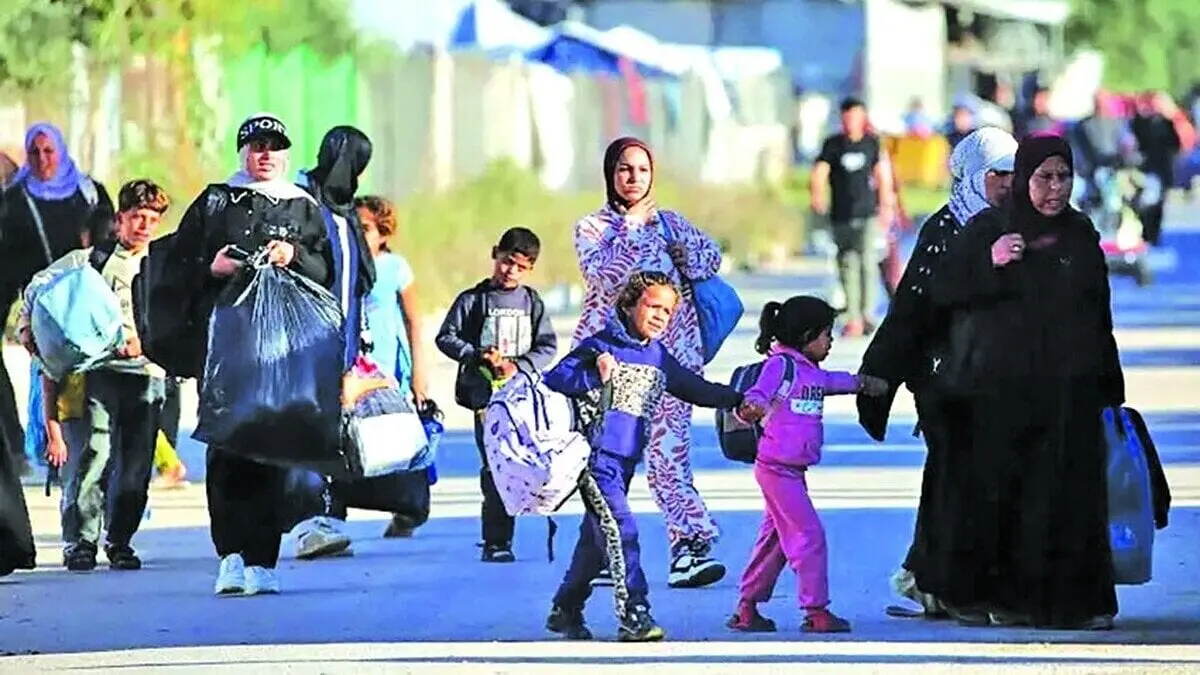
The International Court of Justice has found Myanmar responsible for genocide against the Rohingya by nine votes to six. Legal experts say the ruling may influence how the court assesses intent in South Africa’s pending genocide case against Israel over Gaza.
The judgment does not decide the Gaza case. Israel has argued that it acted in self-defense following the Hamas-led attacks on southern Israel on October 7, 2023.
Those attacks killed about 1,200 people. Close to 75,000 people have been killed in Gaza, including an estimated 21,000 children.
Judges weigh evidence of intent
The court found that genocidal intent was the “only reasonable inference” from the evidence of atrocities against the Rohingya. The Gambia brought the case against Myanmar in November 2019.
Judges considered killings, mental harm to survivors and the effects of sexual violence on reproduction. They also examined the destruction of villages and subsequent construction, including security installations.
The court found that other motives, such as displacement or punishment, could exist alongside genocidal intent. Dissenting judges argued that the evidence could instead support an intent to expel or collectively punish the Rohingya.
Marko Milanovic, a professor of public international law at the University of Reading, said the court had taken a more flexible approach to evidence. He said that was especially significant for proving genocidal intent.
Myanmar’s military-backed government denied genocide during the proceedings. Khine Khine Soe, a spokesperson for Myanmar President Min Aung Hlaing, called the ruling unfair and pointed to the six dissenting judges.
Gaza case awaits further filings
South Africa filed its case against Israel on December 29, 2023. It asked the court to order emergency measures to protect civilians, including a suspension of Israeli military operations.
The court ordered Israel to take measures to prevent genocide. In March 2024, it ordered Israel to ensure food entered Gaza, finding that Palestinians there faced famine and starvation.
In May 2024, the court ordered Israel to halt its ground invasion in Rafah. Human Rights Watch and Amnesty International concluded that Israel did not comply with the orders.
South Africa’s next written submission is due in November 2027. A final verdict is expected to take several years.
In the Myanmar case, the court ordered the government to ensure Rohingya can return safely and voluntarily and to prosecute those suspected of genocide. Myanmar has two years to report on restitution.
 Take the quizWhat Kind of Holiday Spender Are You? Take the Black Friday QuizStart →
- 1Stock Market Today: Dow Slides 1.34% and VIX Jumps 15% at Midday

- 2Joachim Klement to Sell Stocks After S&P 500 Signal

- 3Stock Market Today: Nasdaq, S&P 500 Futures Slide as AI Selloff Deepens

- 4Kenneth Walker’s Groin Injury Puts Cardinals Game in Doubt

- 5Pat Cummins Faces Captaincy Doubts From Mitchell Johnson

 Lifestyle · Food & HealthNormal Blood Pressure Chart by Age: Healthy Ranges Explained
 Lifestyle · Food & HealthWhat Is Raynaud’s Syndrome? Why Fingers Turn White in the Cold
 Lifestyle · Food & Health4 Ways Walking After Meals Helps Your Body, Doctors Say
 Lifestyle · Food & Health4 Reasons to Eat Oatmeal, According to Nutrition Experts